













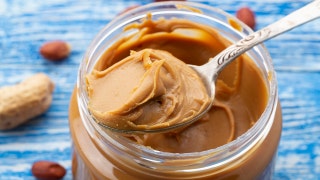



















8 beans that nutrition experts want you eating more regularly
A wellness expert shares why beans and legumes are among the most nutritious foods available, highlighting eight standout varieties that provide protein, fiber, vitamins and minerals while supporting overall health at an affordable price.
Beans and legumes are affordable, protein-packed and health-promoting foods that deserve a more prominent place on your plate, health experts say.
"Fewer than 14% of American adults eat beans on a given day, and that's a problem, because they're some of the most nutrient-dense foods you can buy," New York City-based nutrition and wellness expert Samantha Cassetty, founder of Sam's Plate and co-author of "Sugar Shock," told Fox News Digital. "They deliver protein, fiber and slow-burning carbs for steady energy, plus folate, magnesium, iron and other essential nutrients."
Beans are also naturally cholesterol-free and contain no saturated fats, registered dietitian nutritionist Deborah Murphy told Food & Wine.
CHEAP, HEALTHY FOOD IS REJECTED BY MOST AMERICANS EVEN AS MAHA MOVEMENT PUSHES IT
Studies have linked regular bean consumption with a lower risk of chronic diseases, including heart disease, type 2 diabetes and obesity, which may contribute to a longer life expectancy.
"In a moment when everyone's chasing protein and grocery bills are climbing, canned beans are one of the cheapest proteins on the shelf," Cassetty said. "The best part is that you can open a can, rinse, drain and call it dinner prep."

Beans are affordable, protein-packed and have been linked to a lower risk of chronic diseases, health experts say. (iStock)
Some beans and legumes stand out for their health benefits.
No. 1: Black beans
Black beans are prized for their protein, fiber and antioxidants, Cassetty told Fox News Digital. They contain about 8 grams of protein and 8 grams of fiber per 1/2-cup serving.
One of Cassetty's go-to salads incorporates black beans, corn (frozen and canned work as well as fresh, she said), diced bell pepper, avocado, cherry tomatoes and a spoonful of salsa. She said it can be enjoyed as "a light meal, hearty side or wrap filling."
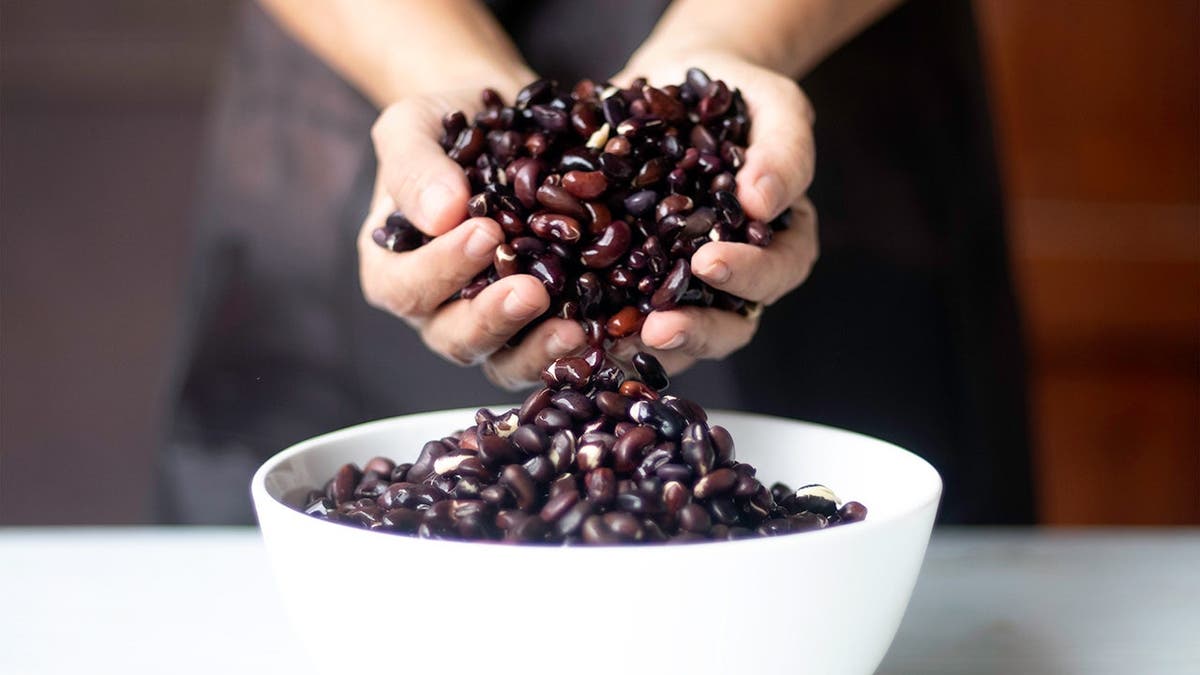
Black beans are a good source of protein, fiber and antioxidants, according to health experts. (iStock)
No. 2: Chickpeas
Technically a legume – the broader plant family beans belong to – chickpeas are versatile because they work in sweet and savory dishes alike, Cassetty said.
"Air-fry them for a crunchy snack or salad topper," she advised.
CLICK HERE TO DOWNLOAD THE FOX NEWS APP
"They're also great scattered over roasted veggies and grain bowls. Research shows people who eat chickpeas and hummus regularly have higher intakes of fiber, folate, potassium and iron than people who don't, and better overall diet quality scores."
No. 3: Lentils
Lentils are also legumes and offer a "ground-meat texture and a solid dose of plant-based iron," Cassetty said.
She recommended mixing them with chopped walnuts (Cassetty is a partner with the California Walnut Board) for extra fiber, protein and plant-based omega-3s.
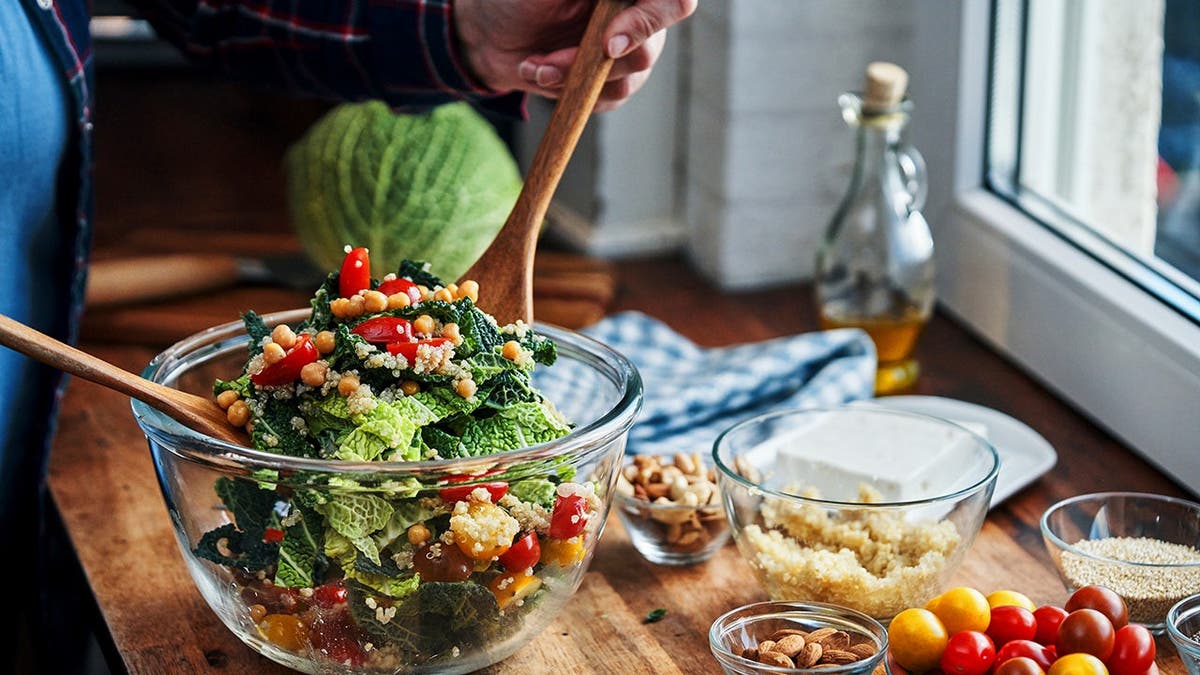
Chickpeas, edamame and other legumes are easily incorporated into other dishes to add nutrients, a nutrition expert said. (iStock)
"That combo of beans and walnuts is powerful, supporting heart, brain and gut health in each bite. Use the crumble in spaghetti sauce, tacos or wraps."
No. 4: Edamame
Edamame are immature soybeans that people typically boil or steam and eat as a snack or appetizer with coarse salt. They're also used in many dishes.
"Frozen edamame is a freezer staple in my house," Cassetty said. "A 1/2 cup delivers about 9 grams of protein and 4 grams of fiber. Toss it with cucumber, brown rice, rice vinegar, tamari and sesame oil for a five-minute meal."
No. 5: White beans
White beans also pack a powerful protein punch, with about 9 grams of the essential nutrient per 1/2 cup.
CLICK HERE TO SIGN UP FOR OUR LIFESTYLE NEWSLETTER
"I stir them into tuna and egg salad, but my favorite trick is blending leftovers into a smoothie," Cassetty said. "You won't notice next to the sweetness of the fruit, but they add the creamiest texture, plus protein and fiber."
No. 6: Pinto beans
Pinto beans may have "a special edge on cholesterol," Cassetty said.
While the soluble fiber in all beans helps clear cholesterol from the bloodstream, animal research suggests they may lower cholesterol synthesis in the liver and cholesterol absorption in the small intestine, Cassetty said.
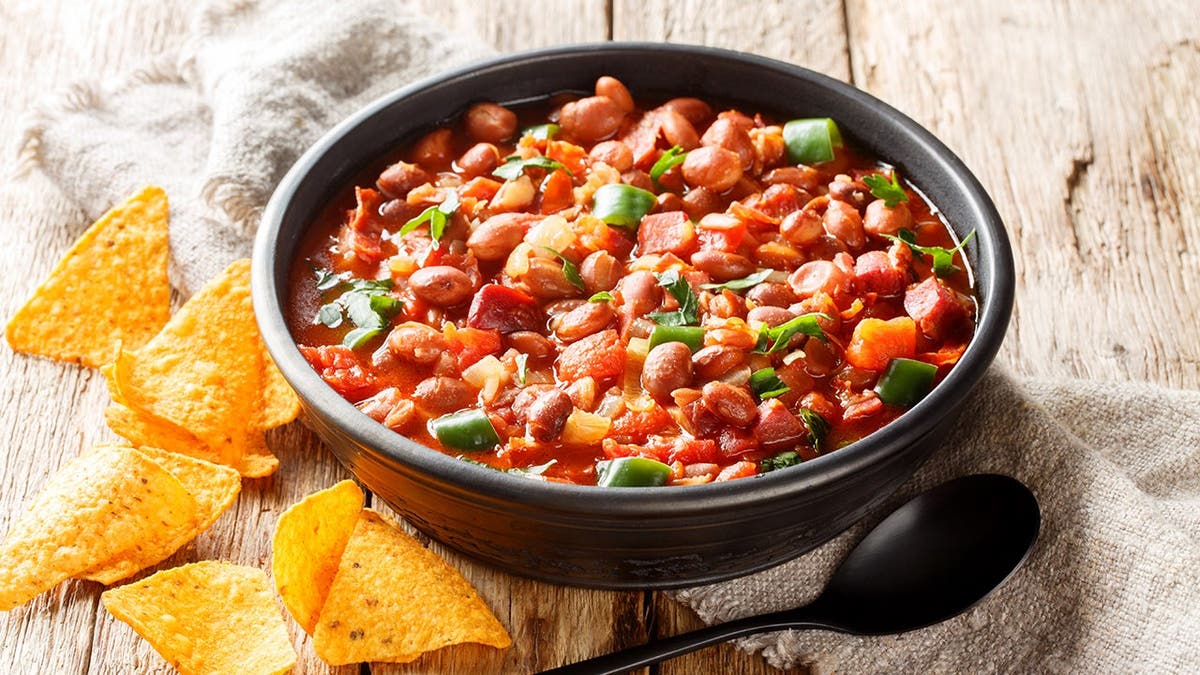
Pinto beans may be especially powerful at stamping out inflammation from a high-fat diet, research suggests. (iStock)
"In one trial, a half cup of pinto beans a day dropped total and LDL cholesterol by more than 8%, outperforming oatmeal," she said.
No. 7: Kidney beans
If you're planning to eat a high-fat meal – think a bacon cheeseburger with onion rings – you may want to find a way to incorporate kidney beans in the mix.
CLICK HERE FOR MORE LIFESTYLE NEWS
Animal research suggests kidney beans can favorably shift gut bacteria and reduce inflammatory markers associated with a high-fat diet, Cassetty noted. She advised using them in chili or over nachos, or trying them in a three-bean salad with some roughly chopped toasted walnuts for crunch and added nutritional value.
No. 8: Black-eyed peas
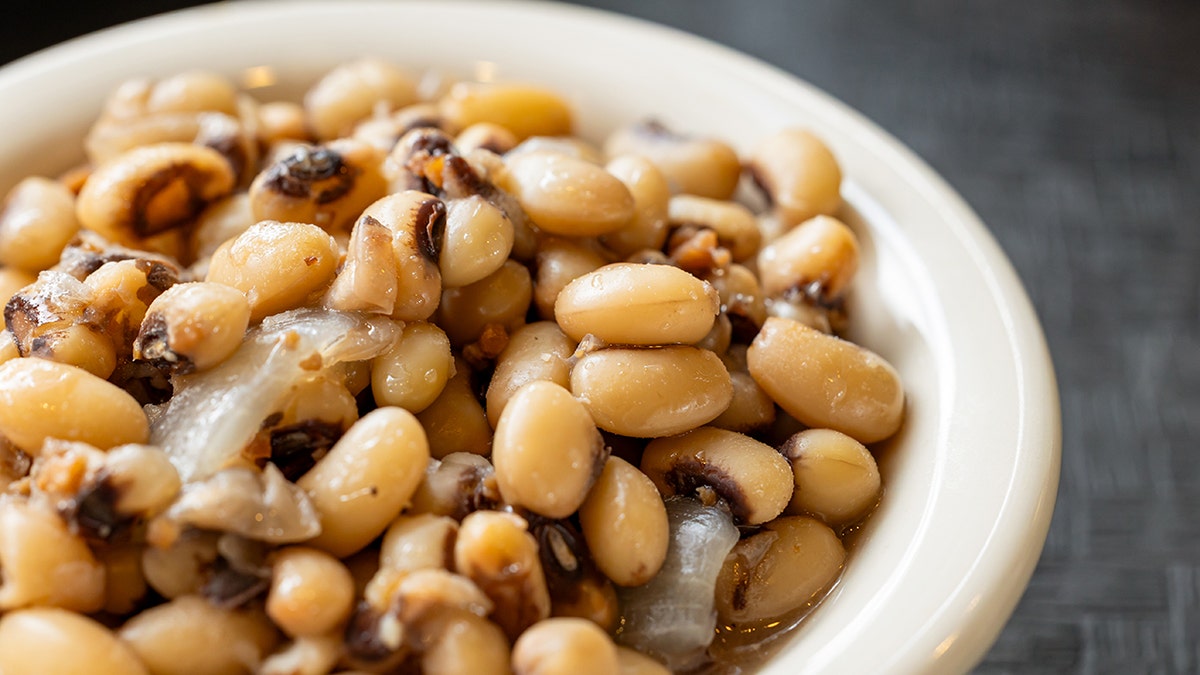
Black-eyed peas deserve "a permanent spot in your bean rotation," a wellness expert told Fox News Digital. (iStock)
The protein, fiber and iron in black-eyed peas mean they deserve "a permanent spot in your bean rotation," Cassetty said.
TEST YOURSELF WITH OUR LATEST LIFESTYLE QUIZ
They're also "the unsung hero of cowboy caviar," a cold bean salad that also uses fresh vegetables, herbs and vinaigrette dressing and is typically served with tortilla chips, she said.
