





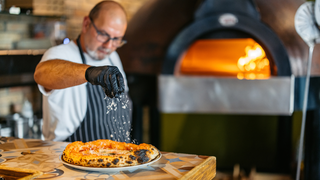





























Study sounds alarm over food preservatives potentially linked to cancer
Board-certified rheumatologist Dr. Mahsa Tehrani discusses two new studies — one examining potential links between food preservatives and cancer, and another detailing possible health risks tied to daylight saving time — on ‘America Reports.’
Cancer remains a leading health challenge in the U.S., but lifestyle choices — especially diet — can play a role in lowering the risk.
Cancer prevention isn't about one "superfood," said Dr. André Goy, the physician-in-chief of oncology at Hackensack Meridian Health's John Theurer Cancer Center in New Jersey.
Instead, overall patterns matter — reducing inflammation, maintaining a healthy weight and limiting exposure to carcinogens, he noted.
EATING FOR PLEASURE MAY BOOST HEALTH, SAY EXPERTS — HERE ARE 6 FOODS TO TRY
"This being said, science consistently points toward a predominantly plant-forward, fiber-rich diet," Goy told Fox News Digital.
He recommends focusing on five key food groups.
See the list below.
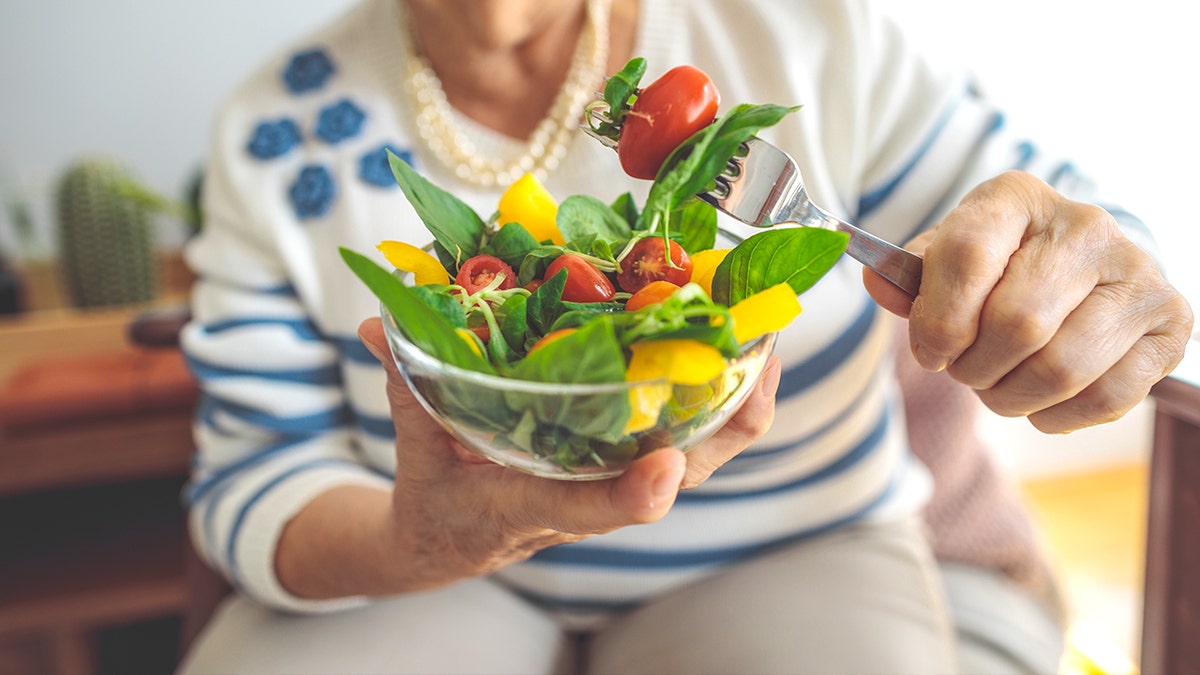
A leading oncologist says a plant-forward, fiber-rich diet may help lower cancer risk over time. (iStock)
1. Berries
The four most popular berries — blueberries, strawberries, raspberries and blackberries — all have cancer-preventive properties, Goy said.
VIRAL BOILED APPLE TEA CRAZE PROMISES BETTER DIGESTION, GLOWING SKIN; EXPERTS URGE CAUTION
The berries "are packed with anthocyanins, pigments with strong antioxidant activity," he said.
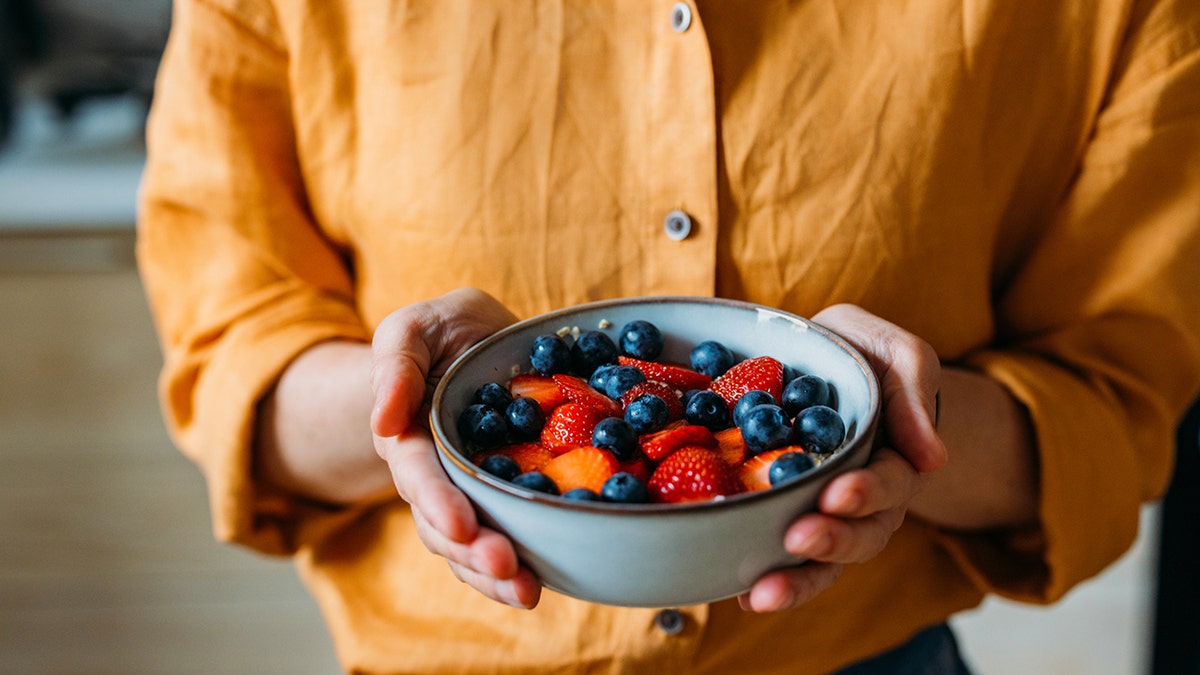
Research suggests that phytochemicals in berries may help reduce DNA damage and support repair pathways. (iStock)
"Research suggests berry phytochemicals may reduce DNA damage, lower chronic inflammation and support cellular repair pathways," he added.
2. Tomatoes
Whether you like to eat tomatoes raw with salt or simmered into pasta sauce, this sun-ripened fruit is packed with nutrients.
Tomatoes are the primary dietary source of lycopene, Goy said, a "carotenoid antioxidant associated in several studies with reduced prostate cancer risk."
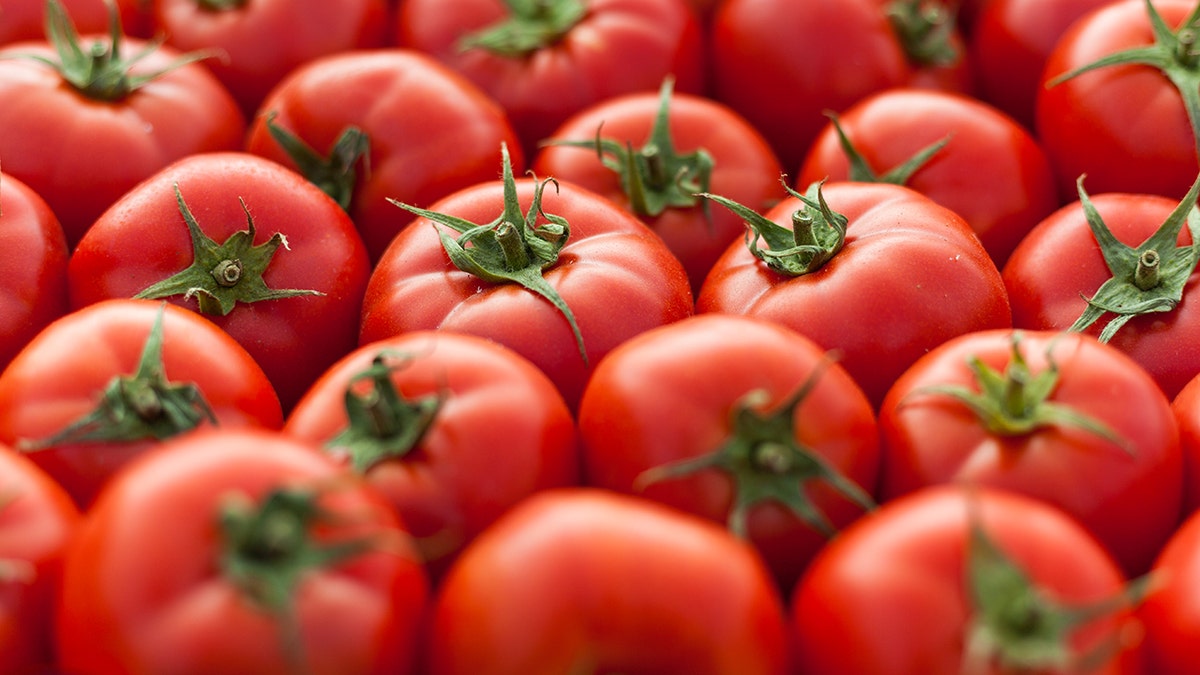
Tomatoes are a primary source of lycopene, an antioxidant studied for its potential link to lower prostate cancer risk. (iStock)
"Interestingly, data suggest that even cooked tomatoes are very beneficial," he added.
3. Whole grains
Consumers have plenty of options when it comes to whole grains, Goy said — and each offers cancer-fighting benefits.
TEST YOURSELF WITH OUR LATEST LIFESTYLE QUIZ
Whether it's oats, brown rice, quinoa or whole-wheat toast, these grains "provide dietary fiber, which improves gut microbiome health, reduces colorectal cancer risk and supports metabolic and weight regulation," he said.
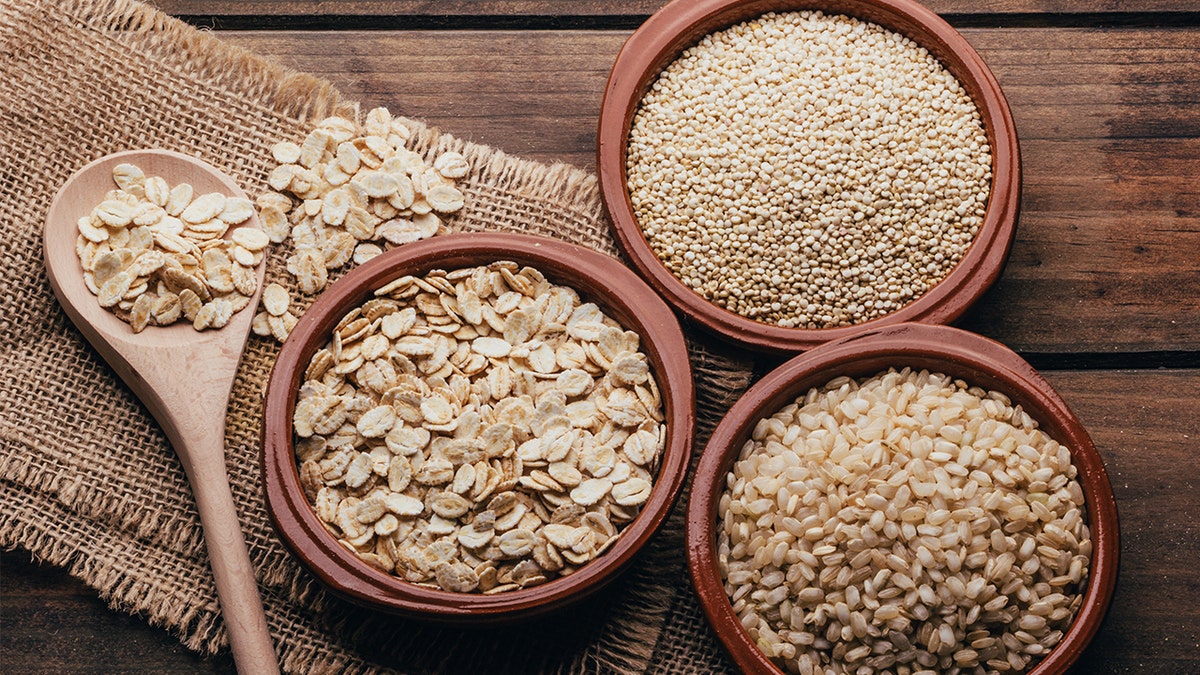
Whole grains such as oats and brown rice provide fiber that supports gut health and may reduce colorectal cancer risk. (iStock)
"Fiber is one of the most consistently supported dietary factors in cancer prevention," he added.
4. Cruciferous vegetables
The most common cruciferous vegetables — members of the Brassica family — include broccoli, cauliflower, Brussels sprouts, cabbage, kale and arugula.
CLICK HERE TO SIGN UP FOR OUR LIFESTYLE NEWSLETTER
The category also includes turnips, radishes, bok choy and collard greens, offering plenty of options for health-conscious consumers.
These vegetables are rich in fiber, vitamins, antioxidants and glucosinolates, Goy said.
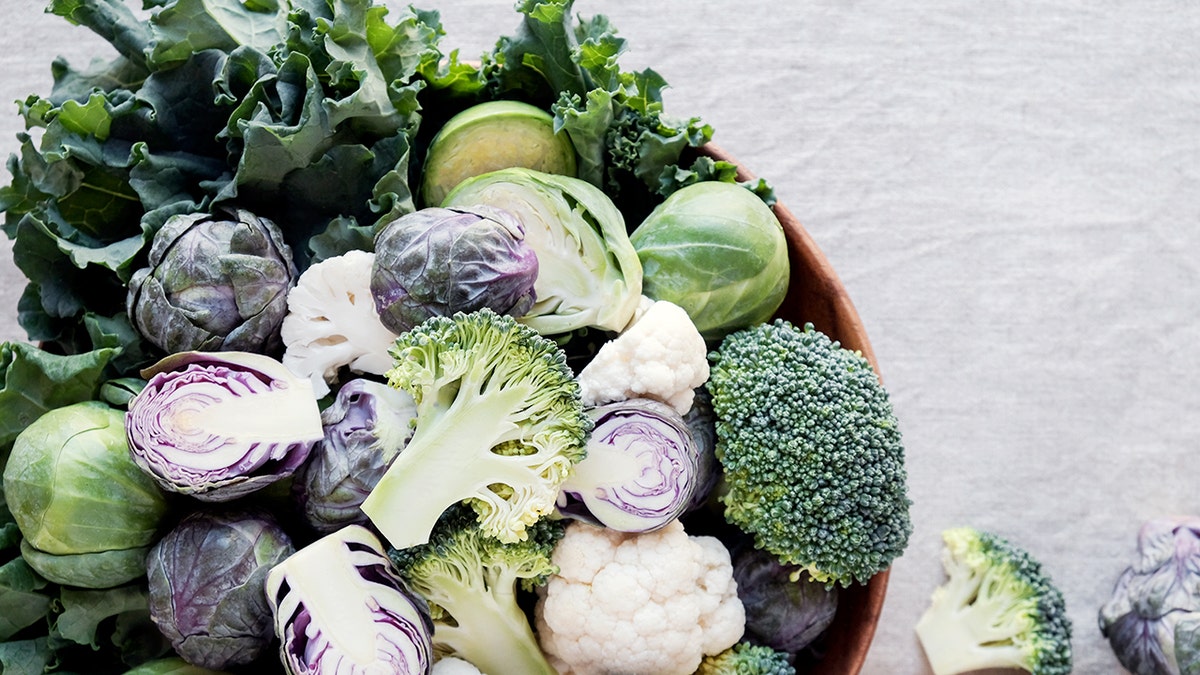
Cruciferous vegetables like broccoli and Brussels sprouts contain compounds that may help detoxify carcinogens. (iStock)
When chopped or lightly cooked, glucosinolates "convert into biologically active compounds like sulforaphane," the doctor added.
"Laboratory and translational research suggest sulforaphane may help detoxify carcinogens, reduce oxidative stress and support DNA protection mechanisms," Goy said.
5. Alliums
If you're using garlic or onions to prepare tomatoes or cruciferous vegetables, these alliums have cancer-preventive properties as well.
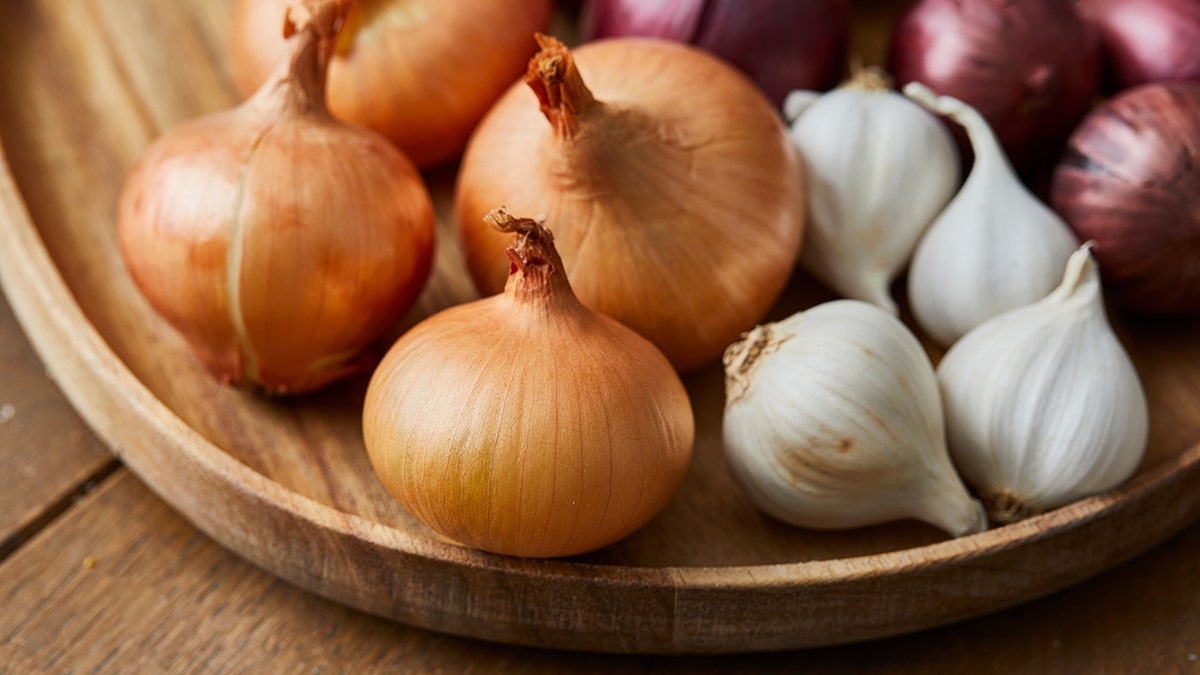
Garlic and onions release organosulfur compounds when chopped, which researchers have linked to digestive health benefits. (iStock)
Garlic and onions "release organosulfur compounds when crushed or chopped," Goy said.
CLICK HERE FOR MORE LIFESTYLE STORIES
"Experimental data show these compounds may inhibit tumor cell growth, support detoxification pathways and be associated with lower rates of digestive cancers," he said.
Power of prevention
Goy emphasized that consumers should feel empowered by the fact that biology responds to lifestyle over time.
"Paying attention to food type is not as complicated as one thinks," he said — noting that "there are hundreds of thousands of plants we can eat."

"Paying attention to food type is not as complicated as one thinks," said one expert (not pictured) — adding that "there are hundreds of thousands of plants we can eat." (iStock)
He also added that nutrition is just one piece of the puzzle, alongside sleep, physical activity and screening — as well as minimizing alcohol and avoiding tobacco.
"Prevention is not dramatic," he added.
CLICK HERE TO GET THE FOX NEWS APP
"It is cumulative. And it works."

