 Print
Print
 Close
Close

3-D 'bioprinter' produces bone, muscle, and cartilage
Published February 16, 2016
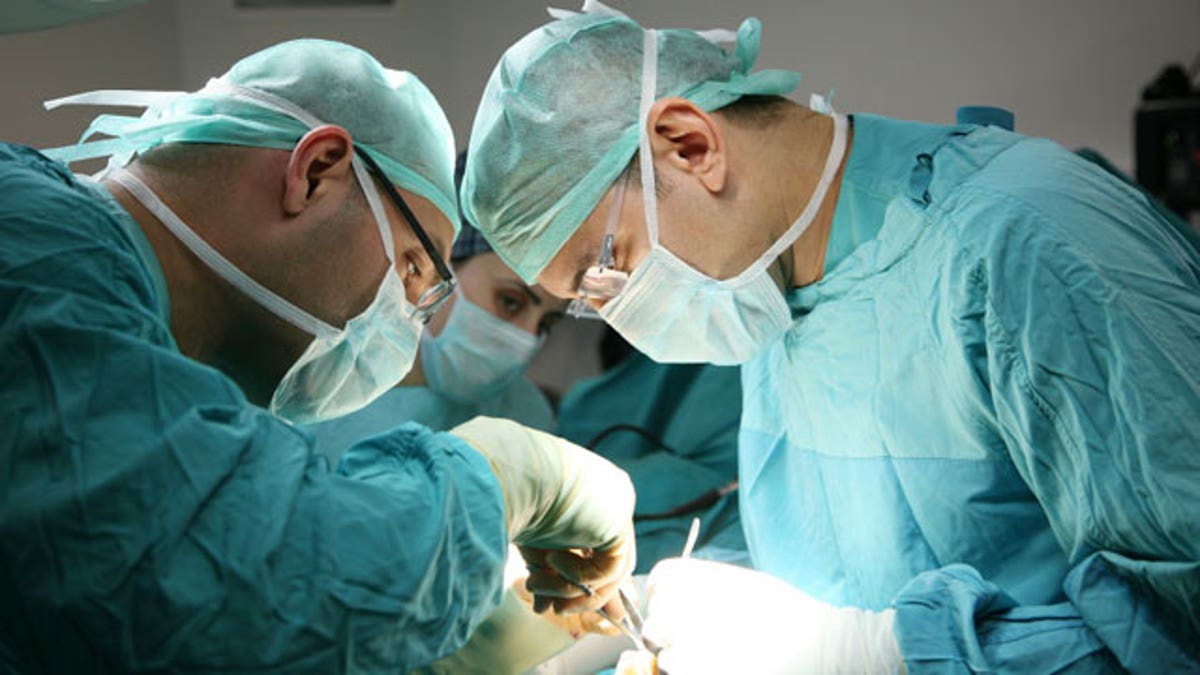
(iStock)
A new method of 3-D printing can produce human-sized bone, muscle, and cartilage templates that survive when implanted into animals, researchers report.
"It has been challenging to produce human scale tissues with 3-D printing because larger tissues require additional nutrition," Dr. Anthony Atala from Wake Forest School of Medicine, Winston-Salem, North Carolina told Reuters Health by email.
His team developed a process they call "the integrated tissue and organ printing system," or ITOP for short. ITOP produces a network of tiny channels that allows the printed tissue to be nourished after being implanted into a living animal.
The researchers produced three types of tissue - bone, cartilage, and muscle - and transplanted it into rats and mice.
Five months after implantation, the bone tissue looked similar to normal bone, complete with blood vessels and with no dead areas, the research team reported in Nature Biotechnology.
Human-sized ear implants looked like normal cartilage under the microscope, with blood vessels supplying the outer regions and no circulation in the inner regions (as in native cartilage). The fact that there were viable cells in the inner regions suggested that they had received adequate nutrition.
Results with 3-D printed skeletal muscle were equally impressive. Not only did the implants look like normal muscle when examined two weeks after implantation, but the implants also contracted like immature, developing muscle when stimulated.
"It is often frustrating for physicians to have patients receive a plastic or metal part during surgery knowing that the best replacement would have been the patient's own tissue," Dr. Atala said. "The results of this study bring us closer to the reality of using 3D printing to repair defects using the patient's own engineered tissue."
"We are also using similar strategies to print solid organs," he added.
Dr. Lobat Tayebi from Marquette University School of Dentistry, Milwaukee, Wisconsin, who has also done bioprinting research, told Reuters Health by email, "There are numerous difficulties in bioprinting tissues in terms of robustness, integrity, and (blood vessel supply) of the end product. What is the most admirable about this study is the serious effort to overcome these problems by introducing an integrated tissue-organ printer (ITOP). This is a big step toward producing robust bioprosthetic tissues of any size and shape."
"I believe this approach, although it has lots of difficulty, can eventually be applied for producing reliable and robust bioprinted tissues," she said. "Actual personalized medicine, especially in the tissue regeneration field, is on its way."
https://www.foxnews.com/health/3-d-bioprinter-produces-bone-muscle-and-cartilage