 Print
Print
 Close
Close

Hantavirus deaths on cruise ship highlight dangers of rodent-borne disease
By Melissa Rudy
Published May 04, 2026

A suspected hantavirus outbreak aboard a cruise ship in the Atlantic has left at least three people dead and triggered an international investigation — putting the rare but potentially deadly disease back in the spotlight.
The World Health Organization has stated on X that one case of hantavirus infection has been confirmed, while five additional suspected cases are pending.
Of the six people affected, three have died and one is currently in intensive care in South Africa.
WHAT IS HANTAVIRUS, THE CAUSE OF GENE HACKMAN’S WIFE’S DEATH?
Here’s what to know about hantavirus, how it spreads and why health officials are taking the situation seriously.
Hantaviruses include a group of viruses primarily carried by rodents that can cause severe respiratory or renal diseases in humans, according to Dr. Rhys Parry, a molecular virologist at the University of Queensland in Australia.

A suspected hantavirus outbreak aboard a cruise ship in the Atlantic has left at least three people dead and triggered an international investigation. (Getty Images)
Most hantaviruses that are found in North, Central and South America can cause HPS, according to the Centers for Disease Control and Prevention. "The hantaviruses that are found throughout the United States are not known to spread between people," the CDC stated.
HPS has a nearly 40% fatality rate in those who are infected, according to the above source.
How hantavirus spreads
"Hantaviruses typically spread when humans breathe in virus particles from disturbed rodent urine, droppings or nesting materials," Parry previously told Fox News Digital.
HOMELESS ENCAMPMENT AT CENTER OF HEALTH ALERT OVER RAT-BORNE DISEASE
The CDC lists the following potential mechanisms of spread:
- Breathing in contaminated air when cleaning up after rodents
- Touching contaminated objects and then touching the nose or mouth
- Getting bitten or scratched by an infected rodent
- Eating food contaminated with the virus
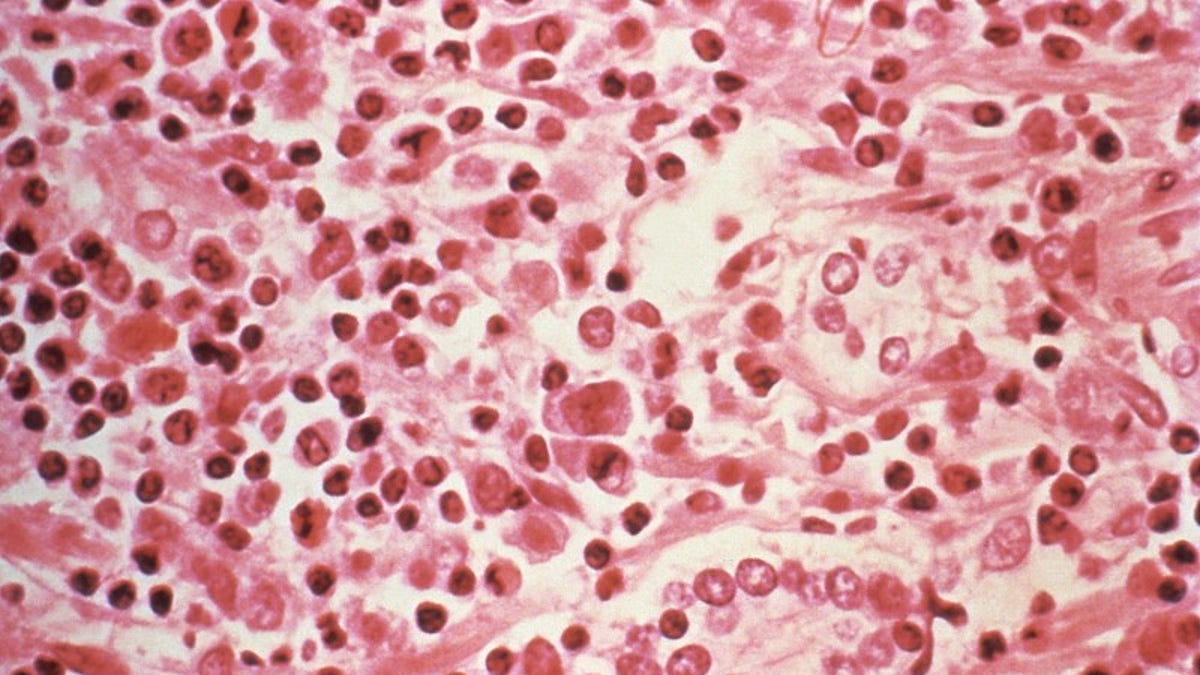
Hantaviruses include a group of viruses primarily carried by rodents that can cause severe respiratory or renal diseases in humans. (Copyright Reuters 2017)
Dr. Marc Siegel, clinical professor of medicine at NYU Langone Health and Fox News senior medical analyst, agreed that hantavirus can spread via dust from rodents’ saliva, urine and places they touch.
The most common type of rodent to carry it in the U.S. is the deer mouse, the doctor noted.
CLICK HERE TO SIGN UP FOR OUR HEALTH NEWSLETTER
Most hantavirus cases are seen in rural areas, where it is more likely for rodents to get into homes or barns, the CDC noted.
Hantavirus infections are "incredibly rare," both experts agreed.
Siegel added that it rarely affects humans "because only some of the rodents have it, and they don't all come into contact — but one-third to one-half of cases are fatal."
Symptoms and treatment
Early symptoms of hantavirus include fever, muscle aches, fatigue and gastrointestinal issues that appear anywhere from one to eight weeks after exposure, according to Parry.
"These progress to serious respiratory symptoms like coughing, shortness of breath and fluid in the lungs four to 10 days later," he said.
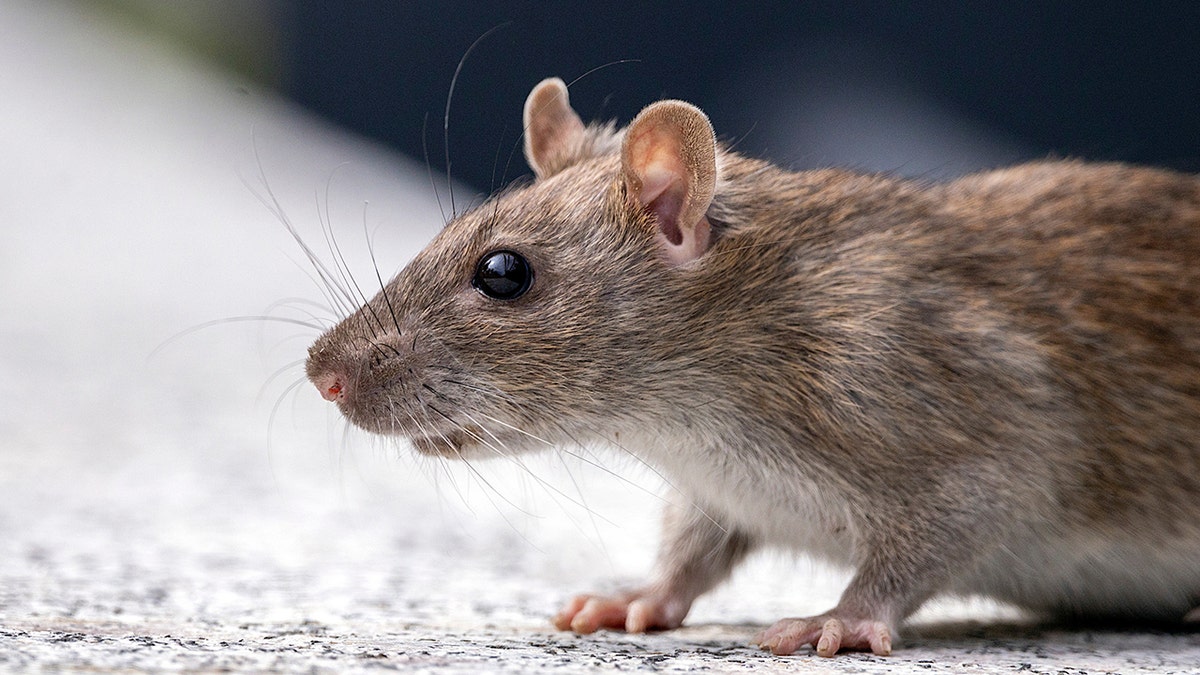
"Hantaviruses typically spread when humans breathe in virus particles from disturbed rodent urine, droppings or nesting materials," an expert told Fox News Digital. (iStock)
Sin Nombre virus is the most common hantavirus in the United States, which causes hantavirus pulmonary syndrome with a mortality rate of approximately 38%.
"It typically becomes fatal when the lungs fill with fluid, leading to respiratory failure and insufficient oxygen reaching vital organs," Parry noted.
CLICK HERE FOR MORE HEALTH STORIES
There is no specific antiviral treatment for hantavirus, the expert said, although early intensive care with oxygen therapy and supportive measures is crucial.
"Early intensive medical care is critical because patients who have sudden acute disease can rapidly become severely sick and die," the CDC states.
CLICK HERE TO DOWNLOAD THE FOX NEWS APP
There is no specific antiviral treatment for hantavirus, the expert said, although early intensive care with oxygen therapy and supportive measures is crucial.
"Early intensive medical care is critical because patients who have sudden acute disease can rapidly become severely sick and die," the CDC states.
"Even with medical care, 30% to 40% of people who develop hantavirus pulmonary syndrome will not survive."
"Although there is no cure for hantavirus pulmonary syndrome, it is important to seek medical care when short of breath, because the patient may need support from a mechanical ventilator or extra-corporal membrane oxygenator (ECMO) machine to deliver enough oxygen to their body," Dr. Sonja Bartolome, an expert in pulmonology and critical care at UT Southwestern Medical Center, previously told Fox News Digital.
"Even with medical care, 30% to 40% of people who develop hantavirus pulmonary syndrome will not survive."
Prevention of hantavirus
Bartolome offered some tips for preventing this rare infection.
"It can be prevented by keeping wild mice and rats out of your home, cleaning up rodent waste quickly when encountered, and staying away from areas infested with rodents," she told Fox News Digital.
TEST YOURSELF WITH OUR LATEST LIFESTYLE QUIZ
"When cleaning up rodent waste, it is important to wear rubber gloves, use disinfectant and wash your hands afterward."
Fox News’ Greg Wehner contributed reporting.
https://www.foxnews.com/health/hantavirus-deaths-cruise-ship-highlight-dangers-rodent-borne-disease