 Print
Print
 Close
Close

Sexual transmission of Zika more common than first thought, UN says
Published May 31, 2016
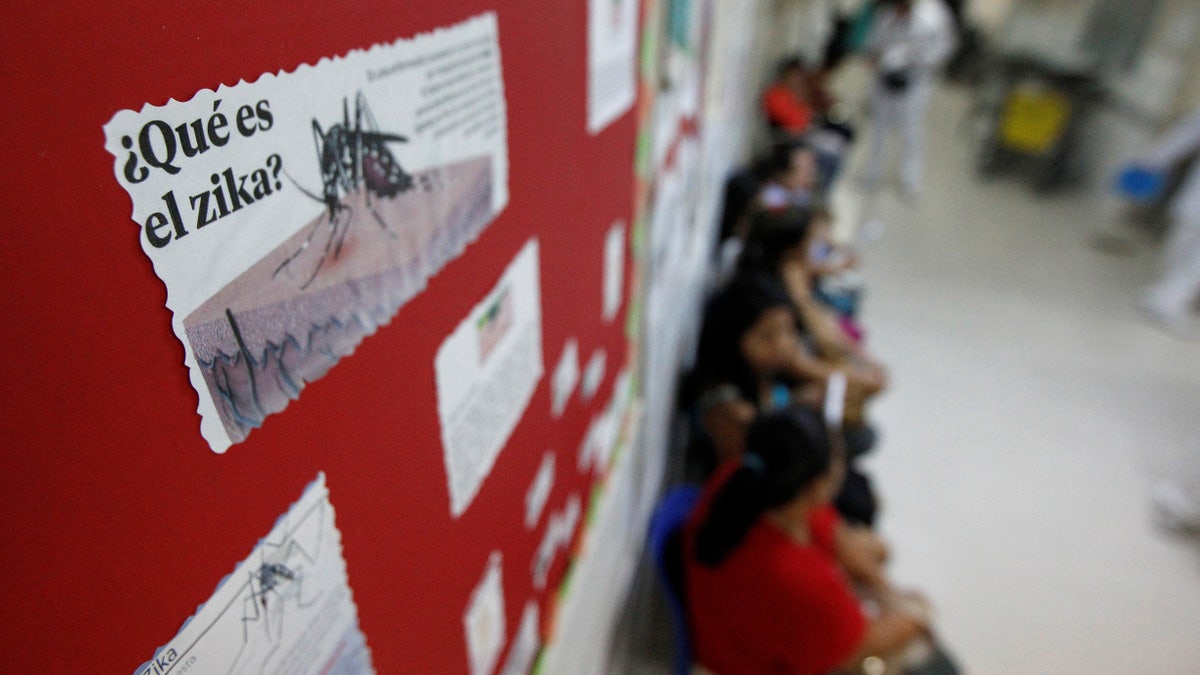
A flyer explaining what is Zika is posted at the maternity ward of the Hospital Escuela in Tegucigalpa, Honduras April 15, 2016. REUTERS/Jorge Cabrera
GENEVA (AP) -- The U.N. health agency says sexual transmission of Zika is more common than first thought. It is updating its advice to women who have been in areas hit by the virus, telling them to wait even longer to conceive.
The World Health Organization said Tuesday that couples or women planning pregnancy who live in or are returning from Zika-hit areas "are strongly recommended to wait at least eight weeks before trying to conceive" to ensure the virus has cleared their bodies.
Previously, WHO recommended a four-week minimum period before trying to conceive in such circumstances.
The current outbreak of Zika has been linked to microcephaly, a rare defect in which babies are born with abnormally small heads and brain damage, and an unusual paralyzing condition known as Guillain-Barre syndrome.
https://www.foxnews.com/health/sexual-transmission-of-zika-more-common-than-first-thought-un-says