 Print
Print
 Close
Close

UCLA study finds why some cancers stop responding to immunotherapy
Published July 14, 2016
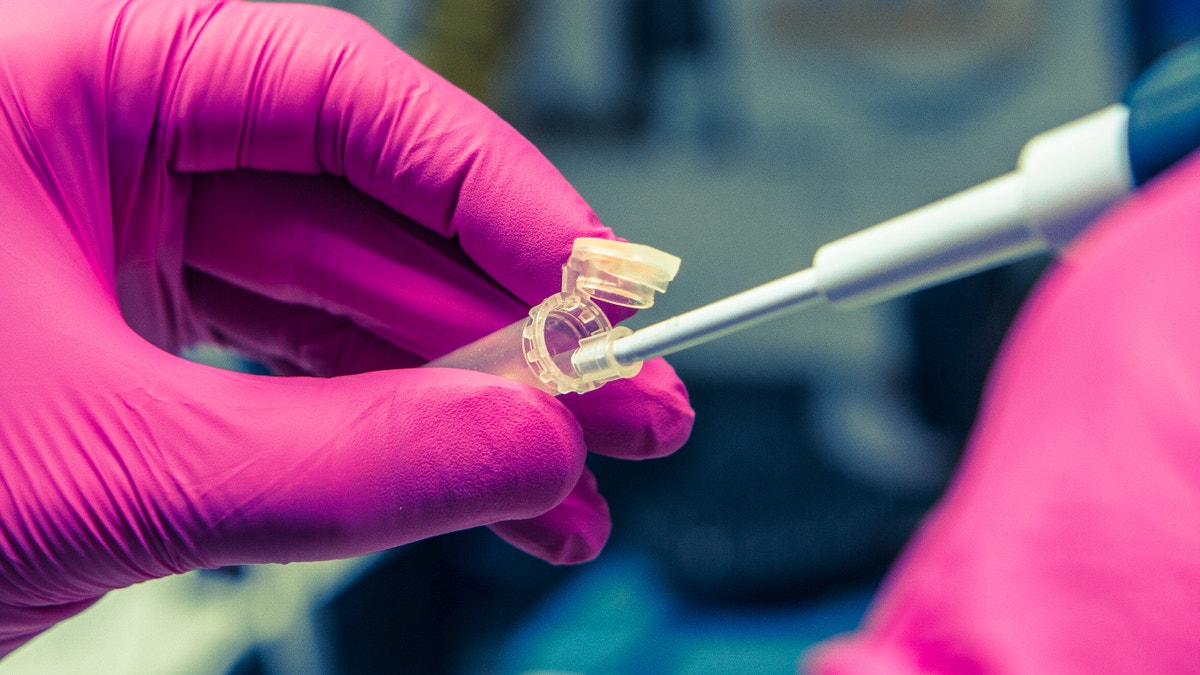
Pipette fills centrifuge tube for a scientific experiment (iStock)
Researchers have for the first time identified mechanisms that enable advanced melanoma to become resistant to a new class of drugs, known as immunotherapies, which work by enlisting the body's own immune system to fight the disease.
"This will help us to better design the next generation of treatment," said Dr Antoni Ribas, director of the tumor immunology program at the University of California Los Angeles and a lead author of the study released on Wednesday.
Immune system-boosting drugs, such as Bristol-Myers Squibb Co's Opdivo and Merck & Co Inc's Keytruda, can induce long-lasting remissions, possibly even cures, for some cancer patients, researchers have found. Other patients may at first respond to the drugs, but their cancer returns months or even years later.
Dr Ribas estimated that about 40 percent of patients with advanced melanoma, the deadliest form of skin cancer, will initially respond to an immunotherapy, but about a quarter of those 40 percent will relapse within three years of treatment.
The UCLA researchers studied biopsies of melanoma tumors taken before and after treatment with Keytruda in patients whose cancer had returned. The tumor from one patient had lost a gene called B2M, changing the way the immune system recognized the cancer.
Tumors from two other patients developed defects that disrupted the function of genes known as JAK1 and JAK2, limiting the ability of the immune system to kill cancer cells. The researchers were unable to identify similar genetic variations in the fourth set of tumor biopsies.
Although these patients were treated with Keytruda, Dr Ribas believes the findings could be generalized to all PD-1 therapies - referring to the PD-1 protein that tumors use to evade the immune system.
He also said the identified resistance mechanisms may help explain why some patients do not respond to immunotherapies at all.
"If we understand the process, we may be able to tailor the treatment better," Dr Ribas said. "We are not there yet," he said, and no work is yet under way to develop drugs targeting the identified mutations.
The study, published this week in the New England Journal of Medicine, was funded by the National Cancer Institute, Stand Up To Cancer and private philanthropy.
https://www.foxnews.com/health/ucla-study-finds-why-some-cancers-stop-responding-to-immunotherapy