 Print
Print
 Close
Close

The case against Kyle Rittenhouse just got smaller
By Jonathan Turley
Published November 15, 2021
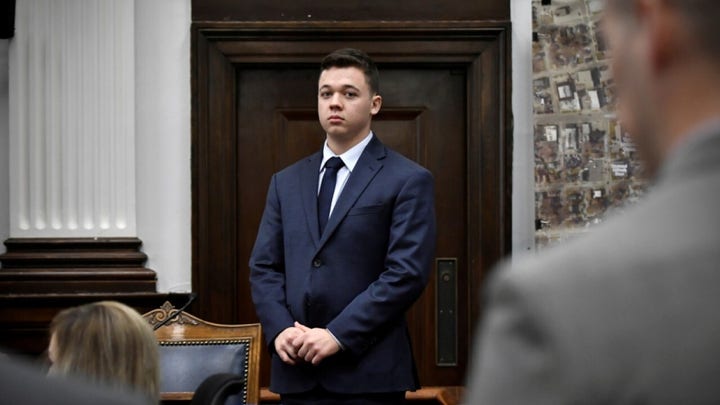
The case against Kyle Rittenhouse, who was just 17 when he fatally shot two protesters and wounded a third in August 2020 during a chaotic night in Kenosha, just got a little smaller.
I recently wrote a column arguing that the sixth count appeared to be based on a factually and legally inapplicable provision of Wisconsin law.
KYLE RITTENHOUSE TRIAL: JUDGE DROPS COUNT 6 AGAINST ACCUSED KENOSHA SHOOTER: LIVE UPDATES
I could not understand how the judge could allow the count to go to jury. Indeed, I am mystified how prosecutors could have secured an indictment on the provision. This is the loss of the least serious charge, but prosecutors lost more than just a misdemeanor conviction in the decision.
The sixth count alleged the possession of a dangerous weapon by a person under 18. Under state law, minors are prohibited from such possession and this can constitute a Class A misdemeanor that carries a basic sentence of up to nine months in prison, a fine of up to $10,000, or both.
The problem is that the provision was facially inapplicable to this case.
Defendants are guilty of this offense if they possess a short-barreled rifle under Section 941.28. However, the prosecutors never put into evidence that this was a short-barreled weapon. Indeed, a police officer testified it was not. Rittenhouse used a Smith & Wesson MP-15 with an advertised barrel length of 16 inches and the overall length is 36.9 inches. That is not a short barrel.
KYLE RITTENHOUSE TRIAL: WHO IS LEAD PROSECUTOR THOMAS BINGER?
The only other way to convict under this crime is to show that "a person under 18 years of age who possesses or is armed with a rifle or a shotgun if the person is in violation of s. 941.28 or is not in compliance with ss. 29.304 and 29.593."
The defense conceded Rittenhouse was in violation of Section 29.593, which requires certification for weapons. However, he is not in violation of section 29.304, entitled "Restrictions on hunting and use of firearms by persons under 16 years of age."
As the title indicates, the section makes it illegal for persons under 16 to use firearms. Rittenhouse was 17 at the time and the prosecution has not challenged that fact.
Judge Schroeder finally ruled out the count on Monday. That is not surprising.
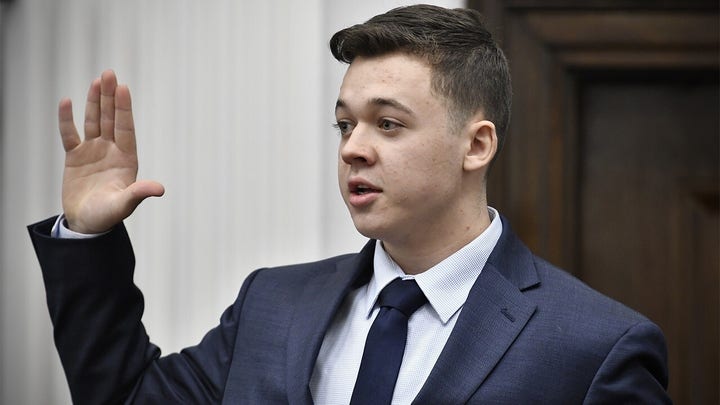
As I argued earlier, if the prosecution secured a conviction on this count, it would have likely faced a reversal on appeal. However, it was another blunder by the prosecution.
The prosecution could have determined that this count would be invalid by simply measuring the barrel of the weapon. Instead, it went to trial and told the jury that it would prove this crime with the other crimes.
Now, after the jury was brought back into the room for the instructions and closing arguments, the court informed the jurors that there would be no sixth count.
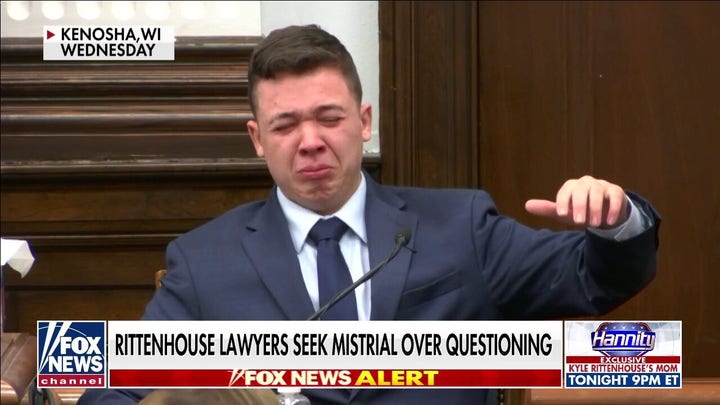
The prosecution is already facing a credibility crisis and this will only deepen that crisis.
An opening statement is like an oral contract with the jury. Jurors expect lawyers to make good on what they were promised.
CLICK HERE TO GET THE OPINION NEWSLETTER
The prosecutors fell considerably short of that mark. They promised the jury would see a gun-crazed vigilante on a type of blood-lust mission. That did not materialize. Indeed, the prosecution elicited testimony in favor of the defense.
The jury also witnessed repeatedly objections to the prosecution's questions where they had to leave the room. It was clear that the court was sustaining defense objections.
Now, the jury was told that one of six counts would be dropped.

The prosecution also lost a default lesser offense in the sixth count. The removal of the misdemeanor will add to the "sticker shock" for any guilty verdict for jurors, which will likely work to the advantage of the defense.
The prosecutors are clearly hoping for a compromise verdict and secured the right to argue "lesser included offenses." However, now the cliff will be high and daunting for the jurors. Even those remaining lesser offenses are still very serious offenses.
The decision to dismiss the sixth count reaffirms the view that this case was over-charged and poorly designed. Instead, this is what engineers might call "catastrophic failure" in key supporting or necessary elements.
CLICK HERE TO GET THE FOX NEWS APP
The overreach on the sixth count captures much about this case. The prosecution pushed for charges within a couple days of the shootings and then overcharged this case.
The speed and framing of the prosecution clearly satisfied public demand but undermined any ultimate case against Rittenhouse.
CLICK HERE TO READ MORE FROM JONATHAN TURLEY
https://www.foxnews.com/opinion/case-kyle-rittenhouse-smaller