
























'Ghost tapping' holiday scams on the rise
Experts are sounding the alarm about the rise of a new credit card scam this holiday shopping season.
A $4 charge is easy to ignore. It might appear as a parking fee, a small purchase or a vague merchant name that doesn't raise any red flags. Consumer protection groups and law enforcement say scammers are counting on that.
Recent warnings describe a pattern sometimes called "ghost tapping," where small, unfamiliar charges show up on contactless payment cards without a clear point of purchase. The amounts are easy to miss, but they can signal unauthorized access to your payment method rather than a simple billing error.
Sign up for my FREE CyberGuy Report. Get my best tech tips, urgent security alerts and exclusive deals delivered straight to your inbox. Plus, you’ll get instant access to my Ultimate Scam Survival Guide — free when you join my CYBERGUY.COM newsletter.
GHOST-TAPPING SCAM TARGETS TAP-TO-PAY USERS
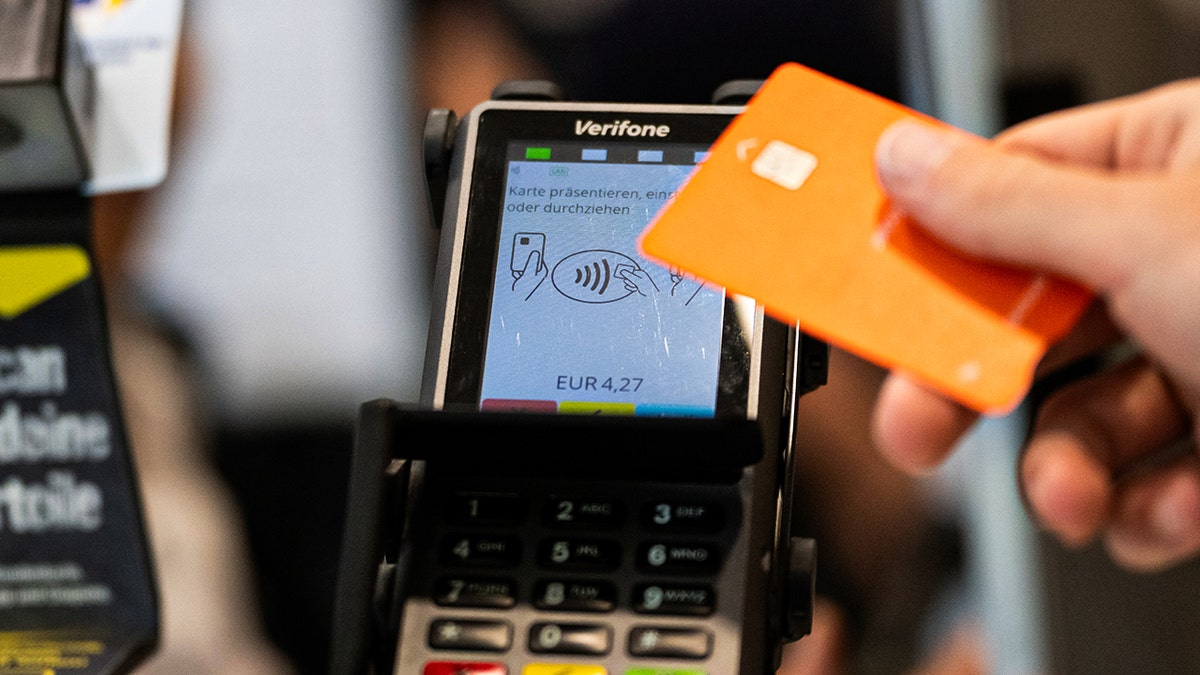
A small, unfamiliar charge can be the first sign your payment details are being tested without your knowledge. (Leonie Asendorpf/picture alliance via Getty Images)
How does ghost tapping work?
Better Business Bureau (BBB) warnings use the term "ghost tapping" to describe these incidents in consumer alerts. In simple terms, it means a payment can be triggered without you actively making a purchase.
One reported method involves compromised payment terminals that quietly process low-value contactless charges. Another involves unauthorized NFC readers operating at close range, sometimes in crowded places. In these cases, a card or mobile wallet can be charged within inches.
Because these transactions run through standard contactless payment networks, they appear as normal card-present purchases. There is usually no clear sign on your statement that anything was wrong.
The small charges aren't arbitrary
Low-dollar transactions are used to confirm that a card can be charged without being declined. When a small charge goes through, it signals that the payment details are active and usable. Once that charge goes through, it establishes a working payment path. Scammers can then run additional transactions using the same card details, sometimes across different merchants or terminals. Many people only notice these charges after they post to an account. At that point, the transaction appears as a completed purchase, not a pending authorization.
Why acting quickly matters
This means a charge that looks harmless could actually be the first step in a larger fraud attempt. Over time, these fraudulent charges may extend beyond a single card. If your payment details have been exposed or are stored in a compromised system, they can be reused until you cancel the card. That can result in multiple charges over several days or even billing cycles.
Delays in reporting also affect how quickly you can stop fraud. The Federal Trade Commission (FTC) advises you to report unauthorized charges as soon as they are identified. In practice, that means contacting your card issuer as soon as you see a charge you don't recognize, either through the issuer's app or customer service line.
Credit cards typically offer stronger fraud protections than debit cards, where money may be withdrawn directly from your bank account. Under federal law, liability for unauthorized credit card charges is limited, but those protections depend on when you report it.
Scammed? What federal agencies say to do next
If you spot a charge you don't recognize, acting quickly can limit damage and protect your rights under federal law.
Review transactions as they post
The FTC recommends checking account activity regularly and flagging any unfamiliar charges as soon as they appear.
Contact your card issuer immediately
The Consumer Financial Protection Bureau (CFPB) advises reporting the charge right away and opening a dispute through your issuer's app or customer service line.
Submit a formal dispute within 60 days
To preserve protections under the Fair Credit Billing Act, you must send a billing error notice within 60 days of the statement that includes the charge.
Understand the investigation timeline
Card issuers must acknowledge your dispute within 30 days and resolve it within two billing cycles, typically no more than 90 days.
Confirm the charge details before disputing
Check the merchant name, date and amount, since some transactions may appear under payment processors or parent companies.
Replace or block the card if needed
If the charge is unauthorized, the issuer can cancel the card and issue a replacement to stop further transactions.
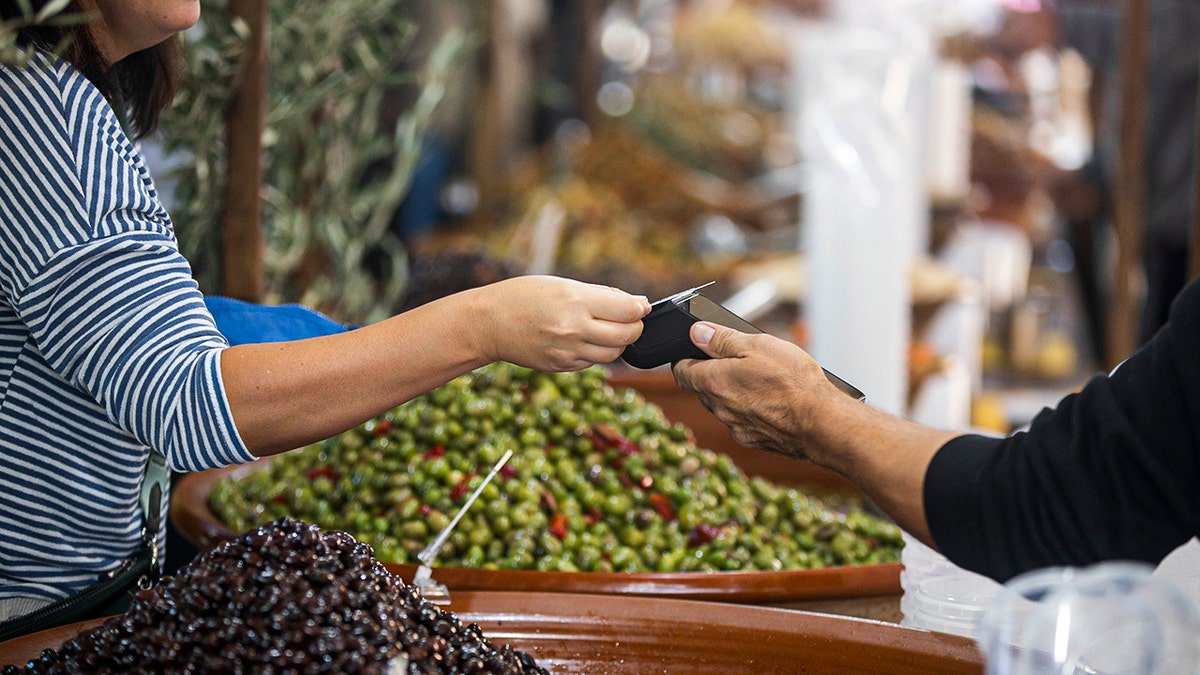
Scammers often use small charges to confirm your card works before making larger unauthorized transactions. (Clara Margais/picture alliance via Getty Images)
Simply keeping an eye on your accounts may not be enough
Even if you check your statements regularly, small charges can still slip through and delay detection.
Timing can work against you
A lot hinges on when you check your account. If you review transactions infrequently or rely on monthly statements, unauthorized charges may only surface after they've already posted. By then, multiple transactions can appear across different dates or merchant names, making them harder to spot.
Alerts don't always catch small charges
Notifications are not always consistent across accounts. Some banks alert you only after a transaction is completed, while others set thresholds that don't flag low-dollar amounts. That can allow small charges to slip through without notice. If the same payment details are used elsewhere, activity may not appear in one place.
Ways to protect yourself from ghost tapping
These simple steps can help reduce your risk and catch suspicious charges before they turn into bigger fraud.
1) Turn on transaction alerts
Set up real-time alerts for all charges, even small ones, so you can spot suspicious activity immediately.
2) Use mobile wallets when possible
Apple Pay and Google Pay use tokenization, which means your real card number is not shared with merchants.
3) Keep your card secure in crowded places
Contactless cards can be read at close range, so avoid leaving them exposed in busy environments.
4) Check your accounts more frequently
Do not rely on monthly statements. Review transactions every few days to catch issues early.
How broader monitoring can help
Even with these steps, some suspicious activity may not show up in one place or right away. That's where broader monitoring comes in. Identity and credit monitoring services are designed to track changes tied to your financial and personal information as they happen. This can include transaction monitoring along with three-bureau credit monitoring, so activity linked to your identity can be seen across accounts and credit files at the same time. That includes new inquiries, account openings and changes that would not appear in any one banking app.
Some services also scan known data breach records and dark web marketplaces for exposed personal information. If your data appears in those sources, you can receive an alert tied to the specific identifier that was found.
HOW DEBIT CARD FRAUD CAN HAPPEN WITHOUT USING THE CARD
If suspicious activity is detected, many platforms offer tools to take action quickly. This may include locking your credit file and working with a U.S.-based fraud resolution team to contact card issuers, dispute charges and close affected accounts.
Some identity protection services also include insurance coverage, often up to $1 million per adult, to help cover eligible losses and legal fees, along with 24/7 fraud resolution support to help restore your identity.
No service can prevent every kind of identity theft. If it happens, monitoring and guided support can make recovery easier to manage.
How to check if your personal information was exposed
If you are unsure whether your personal information has already been exposed, take action now. Our No. 1 identity theft protection pick includes a free identity breach scan, which allows you to see whether your data appears in known leaks. Early detection gives you more control and helps you respond before fraud spreads.
See my tips and best picks on Best Identity Theft Protection at Cyberguy.com.
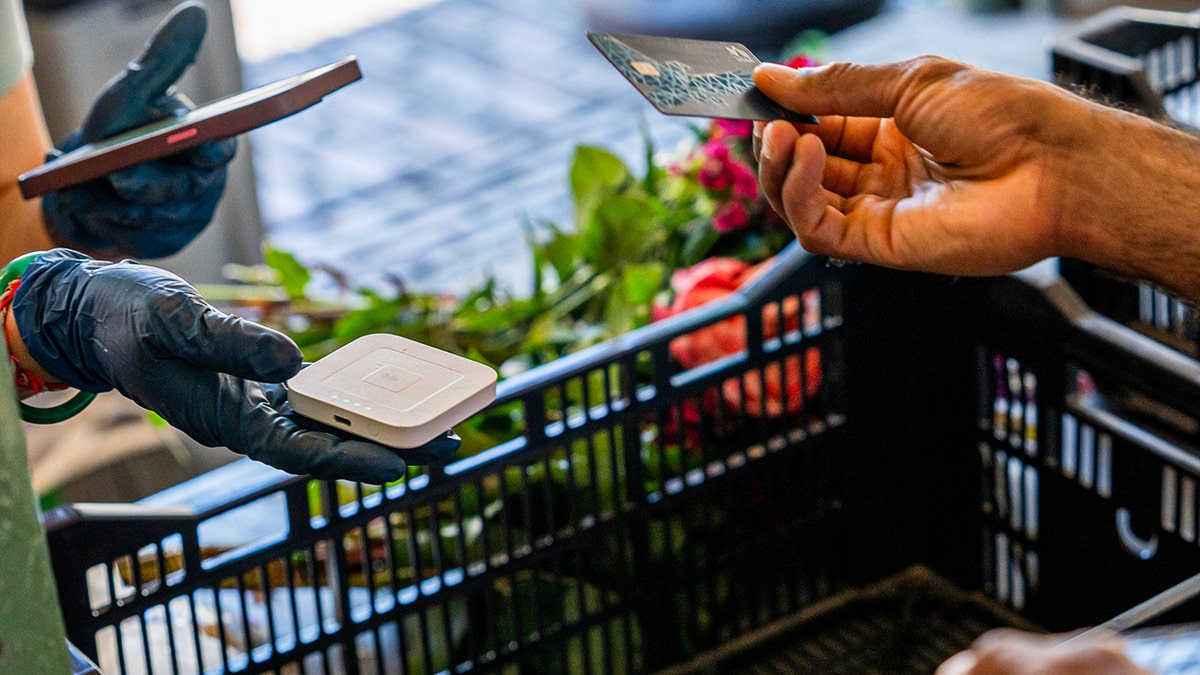
Catching a suspicious charge early and reporting it quickly can help stop further fraud before it escalates. (M. Scott Brauer/Bloomberg via Getty Images)
Kurt's key takeaways
A small charge is easy to ignore, especially when it blends in with everyday purchases. But as these reports show, that's exactly what scammers are counting on. A few dollars can be the first sign that your payment details are active and vulnerable, giving attackers a way to test and expand access without raising alarms.
The sooner you catch it, the easier it is to stop. This is one of those situations where habits matter. Checking your transactions regularly, acting quickly on anything unfamiliar and adding an extra layer of monitoring can make a real difference. Fraud doesn't always start big, but it often starts small.
Have you ever spotted a small charge you almost ignored that turned out to be fraud, and how did you handle it? Let us know by writing to us at Cyberguy.com.
CLICK HERE TO DOWNLOAD THE FOX NEWS APP
Sign up for my FREE CyberGuy Report. Get my best tech tips, urgent security alerts and exclusive deals delivered straight to your inbox. Plus, you’ll get instant access to my Ultimate Scam Survival Guide — free when you join my CYBERGUY.COM newsletter.
Copyright 2026 CyberGuy.com. All rights reserved.
