




















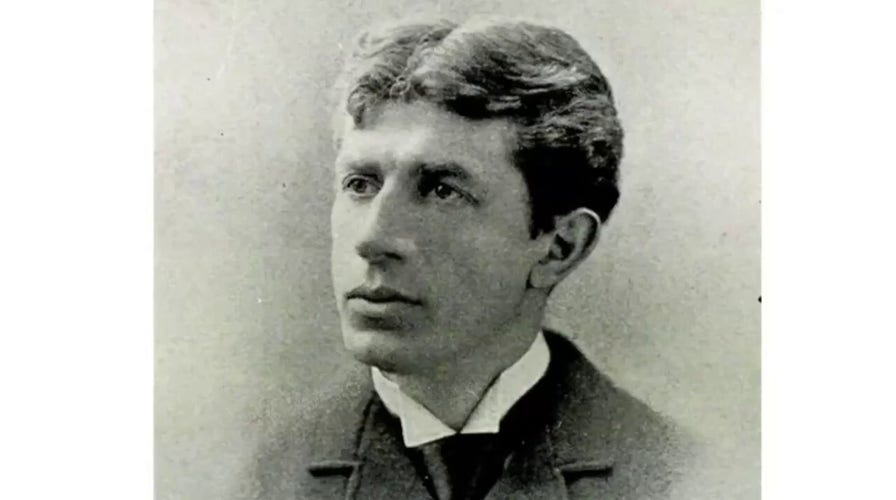
El reverendo Francis Bellamy redactó el Juramento de Lealtad en 1892, con la ayuda de los profesores patriotas de la Asociación Nacional de Educación.
El reverendo Francis Bellamy, un influyente pastor bautista, redactó el Juramento de Lealtad en 1892. En poco tiempo se convirtió en un ritual de la vida escolar en todo Estados Unidos gracias al apoyo entusiasta de la Asociación Nacional de Educación.
Los defensores de la educación están pidiendo que se refuercen los estándares nacionales de educación cívica, ya que los nuevos datos ponen de manifiesto las lagunas en la comprensión que tienen los alumnos del gobierno estadounidense, justo antes de que se actualice la evaluación federal.
Cada cuatro años, la Evaluación Nacional del Progreso Educativo (NAEP) realiza una prueba de educación cívica a los alumnos de 4.º, 8.º y 12.º curso. Los resultados más recientes del «Boletín de notas de la nación», publicados en 2022, revelaron que solo el 22 % de los alumnos de 8.º curso alcanzaban el nivel competente, mientras que el 31 % obtenía una puntuación por debajo del nivel básico. Esto supuso un retroceso respecto a la evaluación de 2018, en la que el 27 % obtuvo una puntuación por debajo del nivel básico y el 23 % alcanzó o superó el nivel competente.
Se detectaron lagunas similares más allá de la educación primaria y secundaria. El Consejo Americano de Fideicomisarios y Antiguos Alumnos (ACTA) realizó en 2024 una encuesta a más de 3.000 estudiantes universitarios con el objetivo de «evaluar su conocimiento de los datos básicos sobre la historia y el gobierno de nuestro país». La encuesta reveló que el 60 % de los estudiantes no sabía cuál era la duración del mandato de los miembros del Congreso.
En 2024, la Fundación de la Cámara de Comercio de EE. UU. descubrió, en una encuesta realizada a votantes registrados, que el 70 % no superó un cuestionario básico sobre conocimientos cívicos. La evaluación abarcaba temas como los tres poderes del Estado y el número de magistrados del Tribunal Supremo. La fundación señaló que solo la mitad de los encuestados «fue capaz de nombrar correctamente el poder del Estado en el que los proyectos de ley se convierten en leyes».

La organización «Defending Education» pide reformas, ya que los datos muestran que los estudiantes estadounidenses carecen de conocimientos básicos de educación cívica. (Getty Images)
Mientras los responsables de la Junta Directiva Nacional de Evaluación (NAGB) se disponen a actualizar el Marco de Evaluación de Educación Cívica de 2018, que determinará cómo se evalúan los conocimientos de educación cívica en todo el país, la organización Defending Education les insta a introducir cambios que garanticen que la próxima generación de votantes reciba una formación adecuada sobre el funcionamiento del país.
«El principal problema es que la mayoría de los que se gradúan en el instituto saben muy poco sobre nuestro gobierno estadounidense, nuestras instituciones políticas y nuestras tradiciones. Y por eso, cuando estas personas alcanzan la edad para votar, lo hacen sin tener la base necesaria para tomar decisiones informadas en la cabina de votación», explicó Terry Stoops, director de Asuntos Estatales de Defending Education, Fox News .
La organización «Defending Education» pide que el examen NAEP se centre más en los conocimientos de los alumnos sobre la Constitución, la estructura del gobierno y los principios fundamentales en los que se basa el gobierno de EE. UU. La organización ha señalado que las preguntas sobre asuntos internacionales deberían evaluar lo que los alumnos saben sobre mandatos constitucionales específicos.
Stoops explicó que uno de los principales retos son los diferentes enfoques que se adoptan en cada estado, lo que, según él, ha contribuido a una falta de rendición de cuentas.
Un informe de la Hoover Institution de 2024 reveló que ocho estados de EE. UU. —Alaska, Delaware, Kansas, Maine, Nueva Jersey, Rhode Island, Vermont Wyoming no exigían ni un curso de educación cívica ni un examen de educación cívica para que los alumnos obtuvieran el título de secundaria. Además, el instituto señaló que solo cuatro estados —Idaho, Luisiana, Virginia Virginia exigen un curso de educación cívica de un año completo y la superación de un examen estándar de educación cívica.
En los comentarios enviados a la NAGB antes de la actualización del marco de evaluación de educación cívica de la NAEP, la presidenta de Defending Education, Nicole Neily, dijo que su organización insta a la NAGB a «rechazar a los consultores y revisores de organizaciones que apoyan abiertamente la política identitaria y las iniciativas de diversidad, equidad e inclusión (DEI)».

Los niños están sentados en el aula del colegio y levantan la mano para responder a una pregunta. (Getty Images)
Stoops también habló del impacto que han tenido las aulas cada vez más politizadas —sobre todo con el auge de las iniciativas de DEI— en la falta de conocimientos de educación cívica de los estudiantes estadounidenses. Dijo que, en los últimos años, las aulas habían sido «secuestradas por activistas» que están más interesados en intentar «adoctrinar» a los estudiantes que en educarlos.
«Así que esta ola de activismo que hemos visto en muchas de estas clases es especialmente preocupante porque, en lugar de que los alumnos aprendan los conceptos básicos del gobierno estadounidense, están aprendiendo a ser activistas y a llevar pancartas con eslóganes ingeniosos al servicio de grupos y personas que intentan impulsar un cambio político. Básicamente, son peones en el juego de otros», declaró a Fox News .
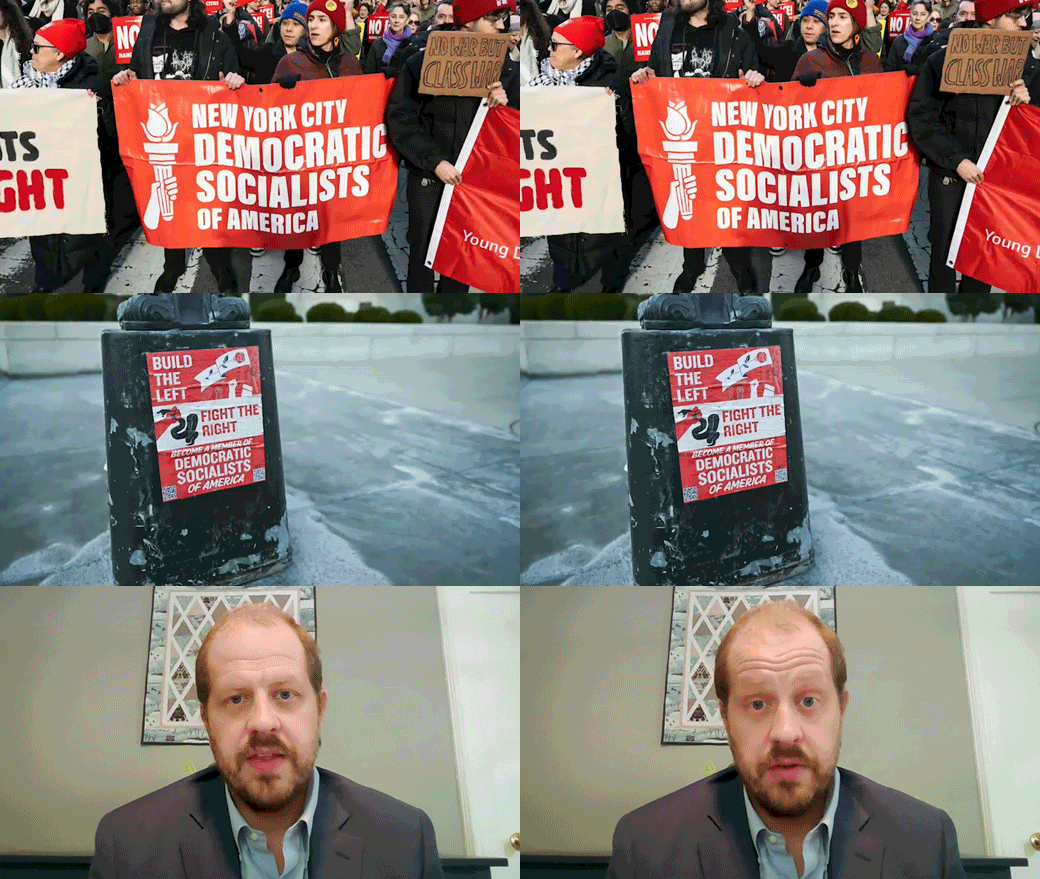
Dada la politización de las aulas, Defending Education ha recomendado que el marco de la NAEP elimine las preguntas sobre «educación cívica activa», argumentando que «fomentar la participación cívica sin una comprensión adecuada de las instituciones políticas estadounidenses no conduce a mucho más que a demostraciones públicas de ignorancia descarada». La organización conservadora se refirió a las huelgas contra el Servicio de Inmigración y Control de Aduanas de EE. UU. (ICE) que tuvieron lugar este año.
«La evaluación de educación cívica de la NAEP es un panorama necesario, y a menudo aleccionador, del conocimiento que tienen los alumnos de los colegios públicos sobre nuestros derechos constitucionales fundamentales y de su preparación para ejercer esos derechos como ciudadanos responsables e informados. Mientras la educación cívica siga siendo una función fundamental de la educación pública, la evaluación de educación cívica de la NAEP seguirá siendo una herramienta clave para garantizar que nuestros colegios públicos cumplan con sus responsabilidades», escribió Neily.

En un colegio público de Boston, la escuela Taylor Charles . Taylor , los niños de 4.º de primaria de la profesora Maria recitan el juramento matutino al empezar el día. (David . Ryan Boston Globe vía Getty Images)
HAZ CLIC AQUÍ PARA DESCARGAR LA APP DE FOX NEWS
Stoops advirtió de que no mejorar la educación cívica conllevaba riesgos tangibles, entre ellos la falta de pensamiento crítico entre los votantes.
«Basta con que haya personas que no tengan esas habilidades de pensamiento crítico para empezar a socavar nuestras instituciones más fundamentales», dijo Stoops. «Así que creo que la propia república que tenemos está en juego si seguimos formando ciudadanos que no reflexionen de forma crítica sobre estas cuestiones tan, tan importantes».
