




















Fox News Flash top headlines for April 1
Fox News Flash top headlines are here. Check out whats clicking on FoxNews.com.
The Social Security Administration and its Office of Inspector General issued warnings during their March 2026 "Slam the Scam" campaign, citing the continued volume of impersonation fraud tied to Social Security. Federal data shows these scams remain widespread; more than 330,000 government impersonation complaints were reported to the FTC in 2025. That's a 25% increase from the year before.
Losses tied to these scams reach into the hundreds of millions of dollars each year, placing them among the most relentless forms of consumer fraud.
These scam messages often resemble official SSA communication, referencing issues with a Social Security number or account records.
Sign up for my FREE CyberGuy Report
Get my best tech tips, urgent security alerts, and exclusive deals delivered straight to your inbox. For simple, real-world ways to spot scams early and stay protected, visit CyberGuy.com - trusted by millions who watch CyberGuy on TV daily. Plus, you’ll get instant access to my Ultimate Scam Survival Guide free when you join.
TECH GIANTS UNITE TO FIGHT ONLINE SCAMS
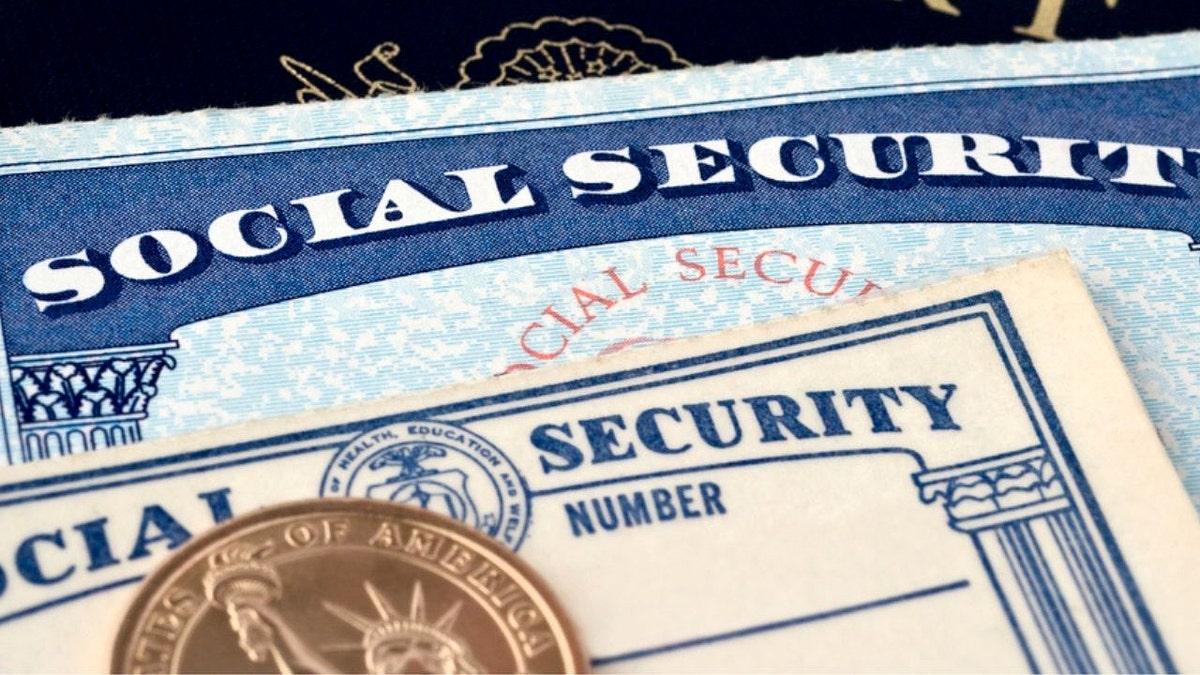
Scammers design messages to look like official Social Security alerts, often using familiar details to gain your trust. (Kurt "CyberGuy" Knutsson)
How do these SSA scams work?
Scammers are using bits of information that feel familiar. A message may include your name, part of your SSN, or even a reference to benefits. Caller IDs can seem to match government offices, and emails or texts may follow the same format used in official SSA communication.
Much of this information comes from data that has already been part of data breaches. When those details show up in a message, the claim sounds consistent with what you already know about your own records.
Earlier this year, there were reports of scam emails that looked like official Social Security messages, asking people to download their Social Security statement through links that led to fraudulent sites. These emails are not from the SSA and will steal your personal information and likely hack your phone or computer once you allow access.
A message that lines up with recognizable information is less likely to be ignored. It moves the conversation forward faster and brings your guard down.
What scammers want when they contact you
At the point of contact, they are trying to get one of two things:
1) Your personal identifiers
- Full or partial SSN
- Date of birth
- Address, phone number
- Login credentials or verification codes
They ask for this information under the guise of verifying your identity or resolving an issue with your account.
2) Your money
- Direct payments (wire transfer, gift cards, crypto)
- Access to bank or retirement accounts
- Instructions to "move money to protect it"
This usually comes after they earn your trust or create urgency.
FAKE GOOGLE SECURITY PAGE CAN TURN YOUR BROWSER INTO A SPYING TOOL
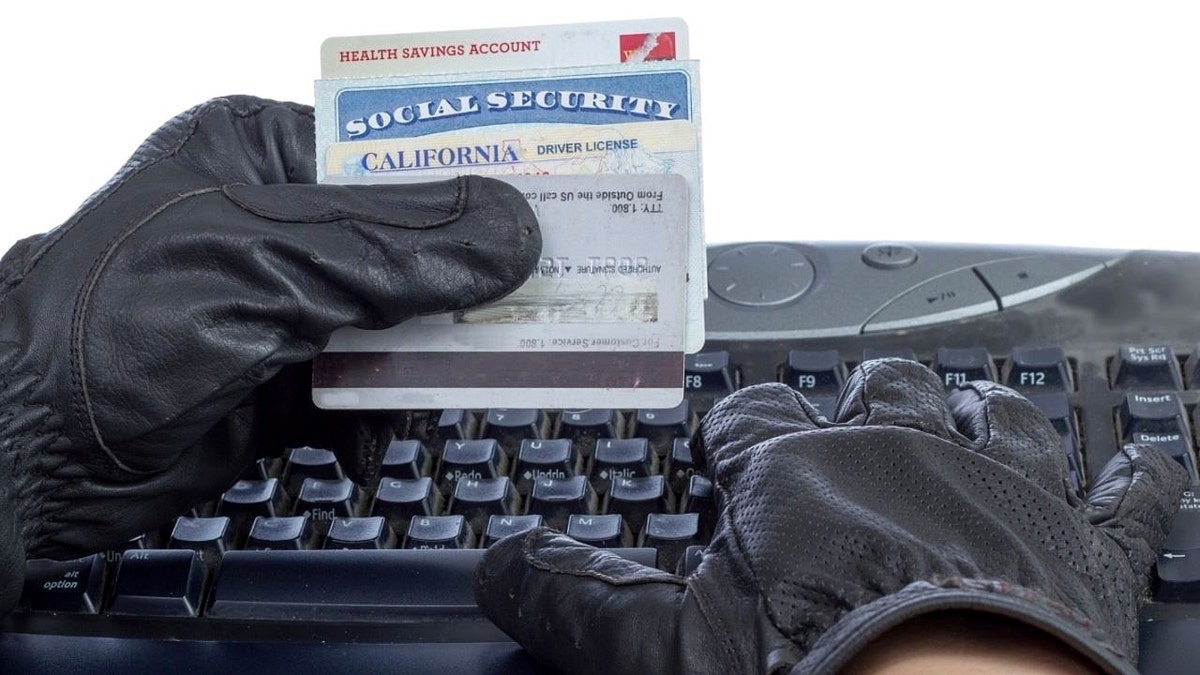
Once scammers have your information, they can pass identity checks and open or access financial accounts in your name. (Kurt "CyberGuy" Knutsson)
What scammers do with the information
Once scammers have your information, they move quickly to turn it into access, money and long-term identity fraud.
They use it to get past identity checks
Your SSN, date of birth, and address are often enough to get through basic verification systems. That allows scammers to present themselves as you when applying for credit or contacting financial institutions.
They open or access financial accounts
Once through those checks, they can apply for credit in your name, leading to new accounts, hard inquiries, and balances showing up on your credit report. If login details or verification codes were shared, existing accounts can also be accessed.
They go after benefit-related accounts
The same information can be used to access or make changes to Social Security-related records. This can include attempts to redirect payments by updating direct deposit details.
They continue using the data
Any stolen information can be reused or combined with made-up details to create additional identities, which can then be used to open more accounts over time.
What the SSA will not do
The SSA does not contact individuals out of the blue to request personal information.
It does not ask for full SSNs, bank details, or login credentials over phone calls, text messages, or email.
It also does not demand payment to resolve issues tied to your SSN or benefits.
Requests to transfer money, purchase gift cards, or move funds to keep your accounts safe are not part of any SSA process.
Threats are another warning sign. The agency does not suspend SSNs or issue arrest warnings.
Legitimate communication from the SSA happens through mailed notices or through your My Social Security account.
The agency states it may send emails in limited cases, such as account notifications, but these do not ask for personal information.
SSA emails will direct you to log in through SSA.gov rather than asking you to click on links or download attachments.
PHISHING SCAM EXPLOITS APPLE MAIL 'TRUSTED SENDER' LABEL

Stolen data can also be used to target your Social Security benefits, including attempts to redirect payments. (Kurt "CyberGuy" Knutsson)
What to do if you receive or respond to one of these messages
If you get a message claiming to be from the SSA, don't respond and don't click any links. Don't call the number in the message.
- Instead, go to SSA.gov or use a verified phone number to check if there's actually an issue with your account.
- If you have already shared information, stop contact immediately and take note of what you shared. You can report the scam to the SSA Office of Inspector General at oig.ssa.gov/report
- You can also file a report at IdentityTheft.gov, which helps create a record.
- To limit further misuse, place a fraud alert or credit freeze with Equifax, Experian, and TransUnion, and check your credit reports for any unfamiliar activity.
How to protect yourself
Stolen information is not always used right away. In many cases, identity theft like this is not apparent until it shows up on a credit report or a lender flags it. Monitoring tools can track this type of activity as it happens. Alerts tied to changes in your credit file or exposed personal data can show you where your information is being used.
Many identity protection services monitor credit across the three major bureaus and scan for exposed personal data, including Social Security numbers. They can alert you to new inquiries or accounts and offer support if something looks suspicious.
Some services also scan dark web marketplaces and data leaks to see if your information is being shared or sold. Starting with a free identity breach scan can help you understand your risk and take action early.
If identity theft does happen, these services often provide fraud resolution support. This can include help to contact creditors, placing fraud alerts, disputing unauthorized accounts and preparing documentation to recover your identity. Some plans also include identity theft insurance to help cover eligible recovery costs.
No service can prevent every type of identity theft. However, early alerts and guided support can make a major difference in how quickly you catch and recover from fraud.
How to check if your personal information was exposed
If you are unsure whether your information has already been exposed, take action now. Start with a free identity breach scan to see if your data appears in known leaks. Catching it early gives you more control and helps limit the damage before it spreads.
See my tips and best picks on Best Identity Theft Protection at Cyberguy.com
Kurt's key takeaways
SSA impersonation scams are not new, but they are getting more convincing. When a message includes details that match your life, it feels legitimate. That is exactly what scammers are counting on. The key is to slow down and verify everything through official channels. The SSA is not going to text you out of the blue, demand money or ask for sensitive details. If a message pushes you to act quickly, that is your signal to pause. Staying ahead of these scams comes down to awareness and simple habits. Verify first. Protect your data. And assume that any unexpected message about your Social Security number deserves a second look.
Have you ever received a message that looked like it came from Social Security, and what made you trust it or question it? Let us know by writing to us at Cyberguy.com
CLICK HERE TO DOWNLOAD THE FOX NEWS APP
Sign up for my FREE CyberGuy Report
Get my best tech tips, urgent security alerts, and exclusive deals delivered straight to your inbox. For simple, real-world ways to spot scams early and stay protected, visit CyberGuy.com - trusted by millions who watch CyberGuy on TV daily. Plus, you’ll get instant access to my Ultimate Scam Survival Guide free when you join.
Copyright 2026 CyberGuy.com. All rights reserved.
