



















Rand Paul dice que Fauci va a mentir en la audiencia del Senado sobre los orígenes de COVID
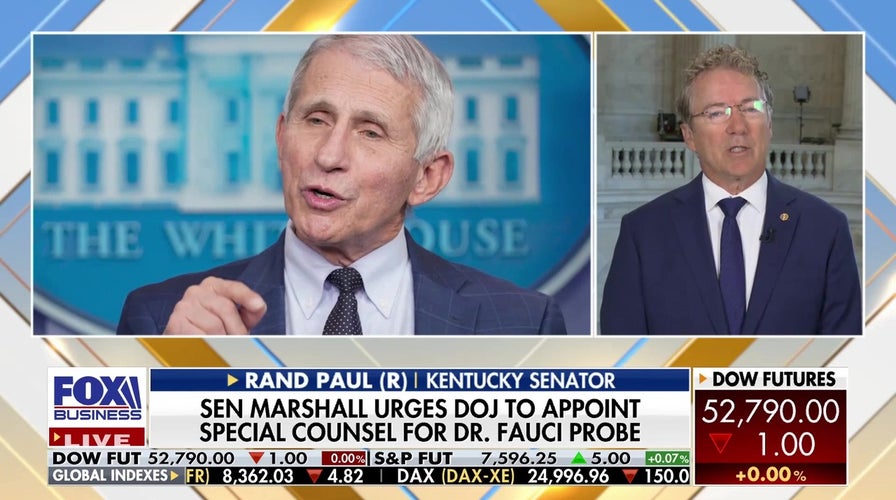
El senador Rand Paul prevé que Anthony Dr. Anthony mienta en su próxima comparecencia ante el Senado sobre los orígenes COVID. Paul aporta pruebas de que Fauci destruyó documentos y financió activamente investigaciones peligrosas de «ganancia de función» en Wuhan, China. Afirma que el apoyo de Fauci a este tipo de investigaciones tan arriesgadas, a pesar del riesgo de una pandemia, representa «la peor decisión en materia de salud pública» que se ha tomado en nuestra vida.
Unas entradas de diario que acaban de hacerse públicas revelan que, a medida que aumentaban las muertes COVID en todo el mundo, COVID de la Casa Blanca COVID , el Dr. Anthony , se obsesionaba cada vez más con su recién adquirida fama.
Publicados por el presidente de la Comisión de Seguridad Nacional del Senado, Rand Paul, republicano por Kentucky, los diarios relatan el día a día de Fauci durante la crisis COVID a través de conversaciones con el presidente Donald , gobernadores y líderes mundiales, apariciones en los medios y sus observaciones personales a medida que se desarrollaba la pandemia.
Paul, un crítico de Fauci desde hace mucho tiempo que se ha enfrentado con frecuencia a él por la respuesta federal y los orígenes del virus, ha hecho públicos los diarios como parte de la investigación de supervisión que está llevando a cabo la comisión. La publicación se produce unos días antes de que Fauci tenga que declarar ante la Comisión de Seguridad Nacional y Asuntos Gubernamentales del Senado, tras haber sido citado por Paul.
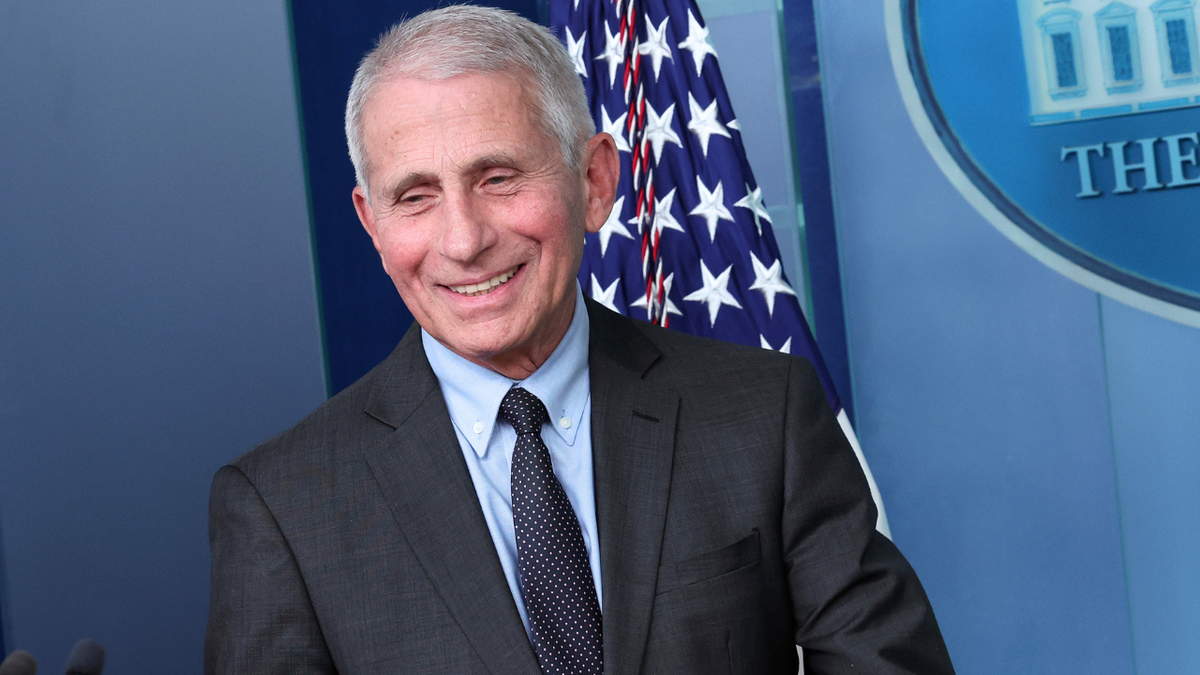
Fauci fue asesor médico jefe del presidente Donald durante la pandemia COVID y luego siguió en el cargo con el presidente Joe Biden. (WinGetty Images)
Un tema sorprendente que se repite a lo largo de los diarios es cómo Fauci se fue dando cuenta cada vez más de su propia presencia pública durante los meses más intensos de la pandemia, que al final se cobró más de 7 millones de vidas según las cifras oficiales en todo el mundo, incluyendo unos 1,2 millones en Estados Unidos.
El 7 de abril de 2020, tras hacer un repaso de las últimas novedades sobre la pandemia, Fauci escribió: «La prensa sigue enloquecida conmigo. Cada día salen varias noticias que me mencionan, ya sea directa o indirectamente».
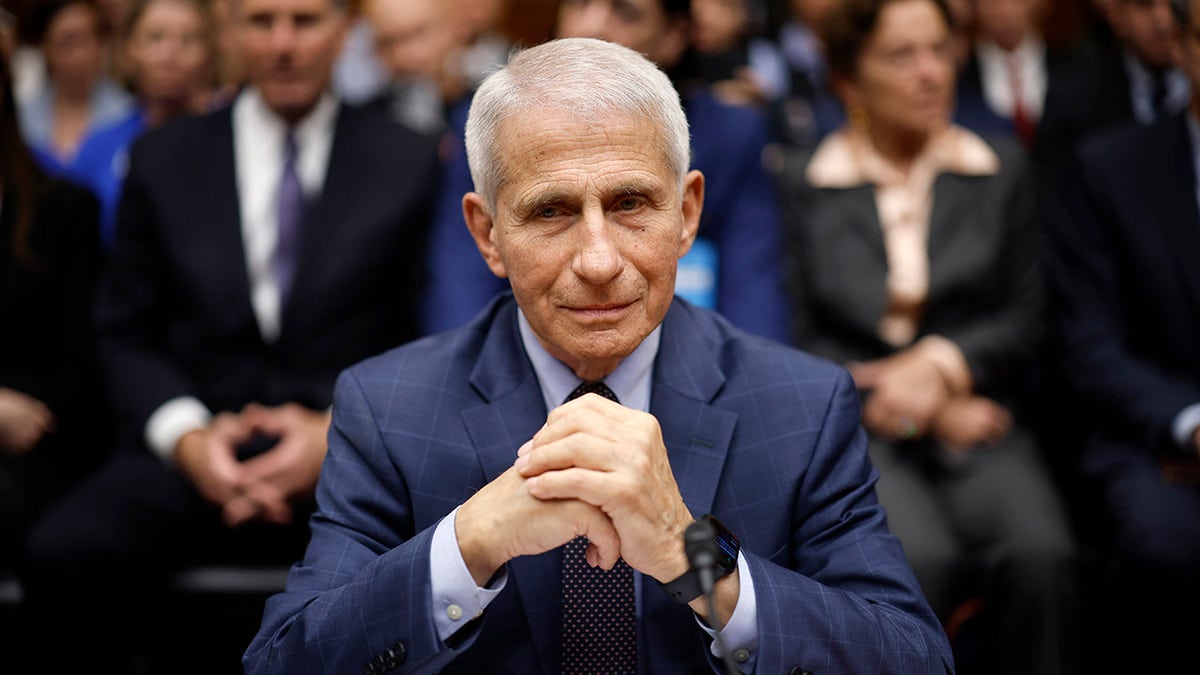
El Dr. Anthony , que dirigía el Instituto Nacional de Alergias y Enfermedades Infecciosas, se convirtió en una figura clave en la respuesta del Gobierno federal ante COVID. (ChipGetty Images)
El 21 de mayo, tras recopilar las últimas cifras de la pandemia —casi 98 000 fallecidos en todo el mundo y más de 27 000 en EE. UU.— y documentar las reuniones del día del grupo de trabajo sobre el coronavirus de la Casa Blanca, Fauci escribió que su «fama nacional e internacional es explosiva y realmente inimaginable» y que «no era una exageración» decir que era «la persona más famosa y de la que más se habla en el país».
Añadió que Trump «parece estar encantado conmigo, aunque le am protagonismo», y escribió que los dos estaban desarrollando «una relación muy singular e interesante». Fauci también señaló que los agentes del Servicio Secreto se habían acostumbrado tanto a él que a menudo le dejaban pasar por los controles de seguridad de la Casa Blanca sin comprobar su identificación.
A medida que la atención seguía creciendo, el diario iba documentando cada vez más cómo la notoriedad de Fauci se había extendido más allá de la salud pública. Un mes después, cuando Estados Unidos registró lo que Fauci describió como un récord de 40 000 nuevos casos COVID en un solo día, escribió que le habían invitado a participar en «Dancing with the Stars».
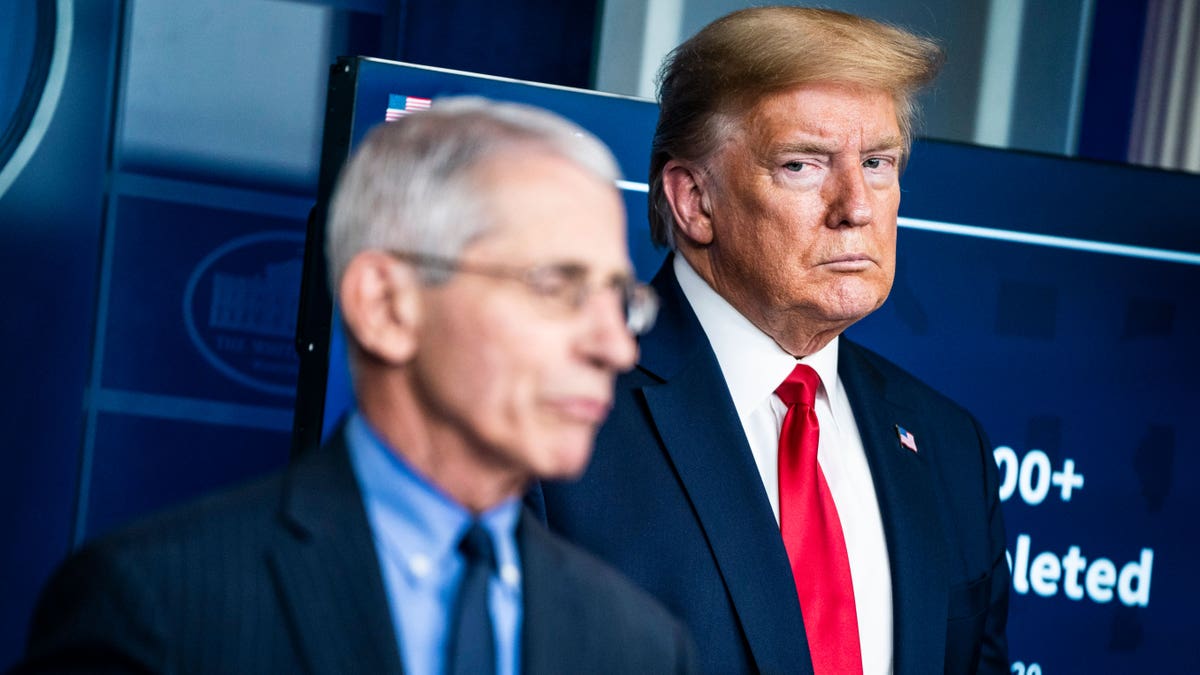
El Dr. Anthony se convirtió en una de las figuras más destacadas de la respuesta de EE. UU. a la pandemia, aunque su relación con el presidente Donald se fue volviendo cada vez más tensa a medida que avanzaba la pandemia. (JabinThe Washington PostGetty Images)
Los diarios también recogen la creciente frustración de Fauci con la Casa Blanca de Trump. El 2 de julio de 2020, tras advertir de que el país podría estar entrando en un aumento «exponencial» de los casos COVID de cara al fin de semana del 4 de julio, Fauci escribió: «El presidente y su gente básicamente se han desentendido y ni siquiera reconocen que hay un brote en marcha».
También se quejó de que la Casa Blanca le estuviera denegando las solicitudes para aparecer en los principales programas de televisión. A lo largo de varias entradas, Fauci criticó a los responsables de comunicación de la Casa Blanca por limitar sus apariciones en televisión, cuestionó el mensaje público del Gobierno y expresó su frustración porque la cobertura mediática lo presentaba cada vez más como alguien en desacuerdo con Trump.
ANTHONY LANZÓ HACE SEIS AÑOS UNO DE LOS PEORES PRIMEROS LANZAMIENTOS DE LA HISTORIA DEL BÉISBOL

El Dr. Anthony lanza el primer lanzamiento ceremonial antes del partido entre los Yankees de Nueva York y los Nationals de Washington en el Nationals Park el 23 de julio de 2020, en Washington, D.C. (Getty Images)
Fauci también se defendió varias veces de lo que describió como los «innumerables» artículos que se habían escrito sobre él. Dijo que los responsables de la Casa Blanca estaban molestos porque la cobertura mediática daba la impresión de que se estaba convirtiendo en «una estrella que eclipsa» al presidente.
Además, insistió en que varios de los perfiles se habían escrito sin entrevistarle y escribió que «no tenía ningún deseo de entrar en conflicto con el presidente de los Estados Unidos, ni de avergonzarle ni de dejarle en evidencia», y más tarde decidió dejar de participar por completo en las entrevistas para esos perfiles.
HAZ CLIC AQUÍ PARA DESCARGAR LA APP DE FOX NEWS
En conjunto, estas entradas ofrecen un relato inusualmente personal del papel de Fauci durante una de las crisis de salud pública más trascendentales de la historia moderna de EE. UU., y reflejan no solo las deliberaciones internas del Gobierno, sino también sus preocupaciones personales sobre la pandemia, su relación cada vez más complicada con la Casa Blanca de Trump y la extraordinaria atención pública que se desató a raíz de todo ello.
