



























Mark Zuckerberg's vision for Meta to 'own' AI space raises questions
Meta CEO Mark Zuckerberg outlines his ambitious open-source artificial intelligence vision, aiming to provide a personal superintelligence assistant to every user. Tech expert Kurt Knutsson joins 'Fox & Friends' to analyze Meta's latest AI model announcement, discussing what these advanced systems mean for consumer privacy and the future of digital personal assistants.
You probably tell an artificial intelligence chatbot things you would never post publicly. Maybe you ask about a health concern. Perhaps you need help sorting through a financial decision or dealing with something happening at work. Because the conversation feels one-on-one, it can be easy to forget how personal it has become.
Now, AI companies are giving their assistants more ways to remember what you tell them. In some cases, AI can also draw from activity beyond a single conversation. That raises a bigger privacy question. What happens when an AI assistant can build a more detailed understanding of you over time?
The answer depends on the service you use and the settings you choose. Your information may help personalize future responses. In some cases, your AI activity can also influence recommendations or advertising.
New! Free live CyberGuy class: Protect Your Money From Today’s Biggest Threats
Join us Saturday, Aug. 29, at 10 a.m. ET for a free CyberGuy LIVE class covering five simple steps to help defend yourself against AI scams, fraud, identity theft and financial hacks. Kurt "CyberGuy" Knutsson will explain how to set up bank alerts, strengthen your account logins, protect your phone number, freeze your credit and help secure your retirement savings against unauthorized transfers. No technical experience is needed. You’ll also receive our financial protection checklist, and every registrant will get a link to the class recording afterward.
Reserve your free spot today at CyberGuyLive.com.
WHAT YOUR INTERNET PROVIDER, WEBSITES AND ADVERTISERS SEE
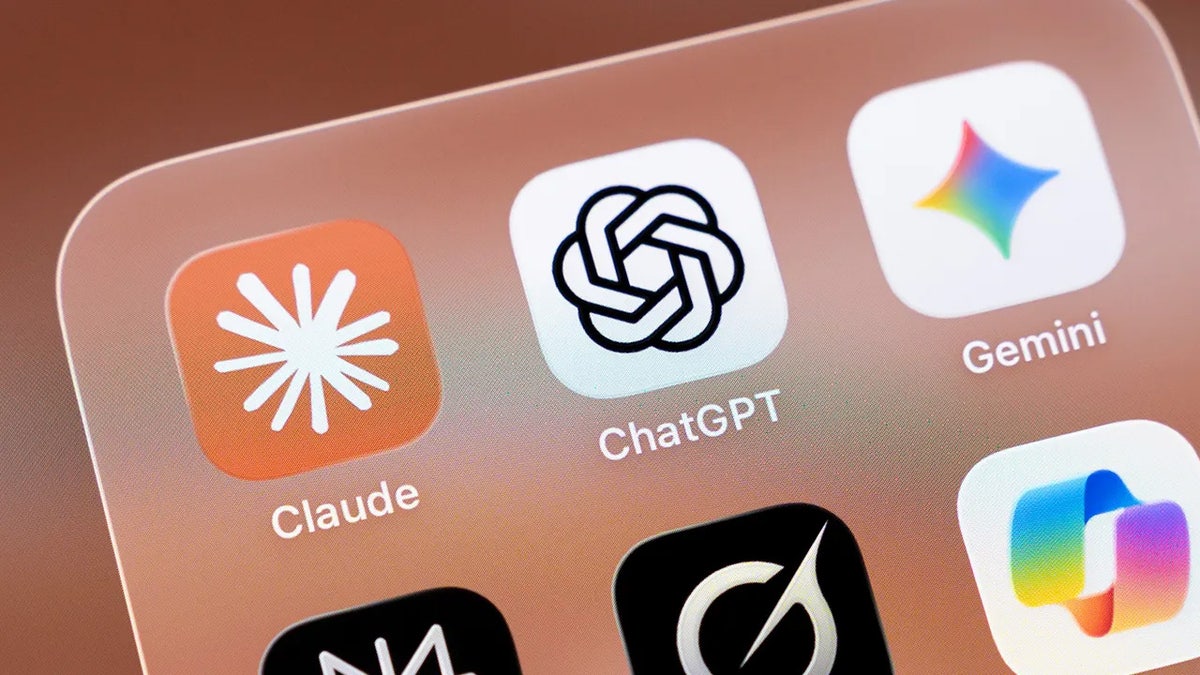
AI assistants can remember conversations, connect activity across services and use that context for personalization, making privacy settings increasingly important. (Samuel Boivin/NurPhoto via Getty Images)
AI chatbot privacy goes beyond model training
For years, one of the biggest AI privacy questions has been whether companies use your conversations to train future models. That still matters. However, training is only part of the picture. AI assistants can use memory to personalize future conversations. Some can draw context from connected services. Others can use certain AI interactions to help decide what content or ads you see.
So, turning off model training does not necessarily turn off memory or every form of personalization. For example, OpenAI has separate controls for model training, memory and advertising personalization. Meta also has its own rules about how interactions with Meta AI can influence content and ads.
We have previously covered the dangers of over-sharing with AI tools. As these assistants learn more about us, being selective about what you share becomes even more important. The more information an AI service can connect about you, the more personalized it can become. That can be useful. It can also create a much more detailed digital picture of your interests, routines and concerns.
ChatGPT Computer History can learn from your Mac activity
OpenAI added Computer History to the ChatGPT desktop app for macOS on Aug. 13. The optional feature lets ChatGPT and Codex use selected activity from apps and websites as context. Instead of capturing screenshots or screen recordings, OpenAI says Computer History records interaction events. It also excludes private browsing.
However, Computer History isn’t available to every ChatGPT user. OpenAI currently offers it to Pro, Business and Enterprise users. Business and Enterprise administrators must enable access before individual members can choose to turn it on. The feature is off by default.––
You can decide which apps and websites contribute information. You can also pause collection, inspect your timeline and delete history. Computer History requires Memories to work.
There are some privacy details worth knowing. OpenAI says temporary interaction-event files remain on your Mac for up to 48 hours. The company processes those events on its servers to generate memories. It says it does not retain the temporary event files after processing, unless required by law, and does not use those files for training.
Generated memory files stay on your Mac until you delete them. OpenAI also says those files are plain-text Markdown files and Computer History does not encrypt them itself. Other programs running under your macOS user account may be able to access them. That makes the feature useful, but it also gives you another reason to exclude sensitive apps and websites.
Google Search can save media you upload
Google is also expanding what can become part of your Search Services History. If Search Services History and its Save Media setting are enabled, Google can save media from your Search interactions. That can include images, files and audio or video recordings you upload or create while using supported Search services.
Google says saved media can help personalize your experience. The company may also use it to develop and improve its AI models and other technologies. If Google selects saved media for AI training, it says it disconnects that media from your Google Account first. Google says training data may then remain for up to four years. It also says it uses filters designed to remove identifying or sensitive personal information.
However, you have controls. Turning off Save Media stops Google from saving media from future Search interactions to your Search Services History. Google says future media will then stay out of generative AI training unless you submit it as feedback.
Previously saved media does not disappear when you simply turn the setting off. You need to delete it separately if you want it removed from your account. Media already selected for AI training may remain in Google's training systems after it has been disconnected from your account. That is a good example of why changing a privacy setting and deleting previously collected data are not always the same thing.
Meta can use AI conversations to personalize ads
Meta takes a more direct approach to using some AI interactions for personalization. The company announced in 2025 that interactions with its generative AI features could become signals for the content and ads people see across Meta products. Those changes took effect on Dec. 16, 2025, in most supported regions. For example, Meta says chatting with Meta AI about hiking could signal that you are interested in hiking. As a result, you could later see related recommendations or advertisements.
Meta places limits around certain sensitive subjects. The company says it does not use information from AI conversations about health or political views to show you ads. Meta also excludes religious views and several other sensitive categories from ad personalization.
Still, regular Meta AI interactions can become another source of information used to personalize your experience. That makes it worth checking your Meta privacy and ad settings before sharing something personal.
DEM SENATOR PRESSES OPENAI, ANTHROPIC FOR ANSWERS IN AI HACKING PROBE
ChatGPT, Google, Meta and Apple offer different controls over AI memory, training, connected activity and advertising personalization. (Photo by Marcin Golba/NurPhoto via Getty Images)
Meta now has an Incognito Chat option
Meta has also taken a different approach for people who want a more private AI conversation. On May 13, 2025, Meta announced Incognito Chat for Meta AI on WhatsApp and in the Meta AI app. The feature is rolling out over several months, so it may not yet appear for everyone.
Meta says Incognito Chat processes conversations inside a secure environment that the company itself cannot access. It also says those conversations are not saved, and messages disappear by default. That gives you a very different privacy experience from a regular Meta AI conversation.
We took a closer look at the feature in our guide to Meta AI's private Incognito Chat. If you have the feature, it is worth considering whenever the subject is especially personal.
Apple processes many AI requests on your device
Apple uses a more device-centered architecture for Apple Intelligence. When you make an Apple Intelligence request, an on-device model first determines whether your device can handle the task itself. If the request needs a larger model, Apple can send relevant information to Private Cloud Compute.
Apple says Private Cloud Compute receives only the information needed to complete the request. According to Apple, the content isn’t stored or made accessible to Apple. The system processes it for the request and does not retain it afterward. However, those protections apply to Apple's own Apple Intelligence system.
Apple also lets you send certain requests to third-party services such as ChatGPT. If you use ChatGPT through Apple's integration without signing into a ChatGPT account, OpenAI says it does not receive your IP address, store your requests or use them to train its models.
The situation changes if you connect your ChatGPT account. In that case, your existing OpenAI account settings apply. Your interactions may also appear in your ChatGPT history depending on your settings. So, even inside Apple Intelligence, pay attention to which AI service is actually handling your request.
ChatGPT ads can use past chats and memory if you allow it
Advertising inside AI conversations is already here. OpenAI began testing ads in ChatGPT in the U.S. on Feb. 9. Eligible Free and Go users can see ads in regions where the program is available. Plus and Pro plans remain ad-free, along with Business, Enterprise and Education plans.
OpenAI also offers Free users an ad-free option with reduced usage limits and reduced access to some tools. The privacy controls around those ads are especially relevant here. OpenAI says ads can take the context of your current conversation into account. If you enable personalized ads, past chats and memory can also contribute to ad relevance.
However, OpenAI says advertisers do not receive your conversations, chat history or memories. The company says it does not sell your data to advertisers. Advertisers receive aggregated performance information such as views or clicks. OpenAI also says ads do not influence ChatGPT's answers and remain separate from the response.
You can turn off ad personalization under ChatGPT's Ad Controls. If you do, OpenAI says ads can still use the context of your current chat, but other chat threads and memory will not inform the ads you see. That makes advertising another privacy setting worth reviewing separately from model training.
HALLUSQUATTING AI ATTACK COULD HIJACK YOUR COMPUTER
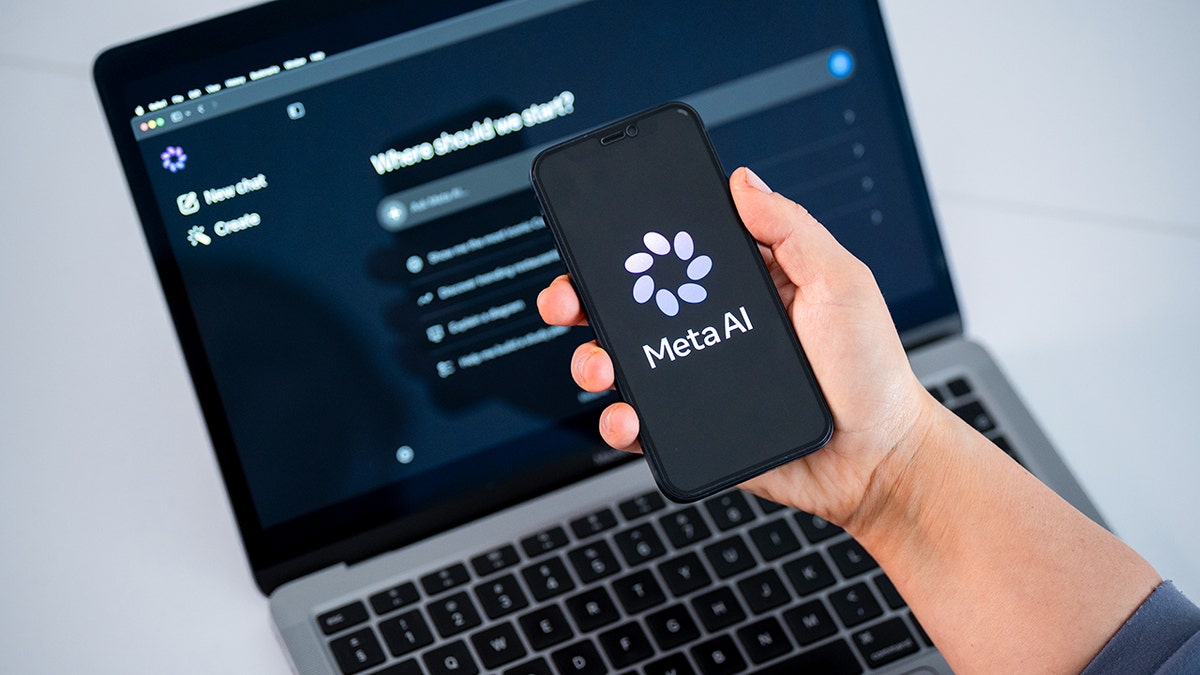
Meta says its new Incognito Chat for Meta AI will let WhatsApp users ask sensitive questions in temporary conversations that are not saved by default. (Photo by Marcin Golba/NurPhoto via Getty Images)
AI privacy rules remain a patchwork
The U.S. still does not have one comprehensive federal privacy law governing how all companies collect and use personal data. Instead, federal sector-specific laws exist alongside a growing collection of state privacy requirements. Existing consumer protection laws still apply to AI companies.
The Federal Trade Commission has warned AI companies that privacy and confidentiality promises carry legal consequences. The agency has said deceptive or unfair data practices can violate existing consumer protection laws. The FTC has also investigated consumer-facing AI chatbots, including their advertising, safety and data-handling practices. So, company privacy policies matter. They tell you what a service says it can do with information you may consider deeply personal.
How to keep your AI chatbot conversations more private
You do not need to give up AI tools to protect your privacy. However, you should decide how much information each service really needs before you start typing.
1) Think before sharing sensitive information
Treat a general-purpose chatbot differently from a private notebook. Avoid entering passwords or Social Security numbers. Do not paste complete banking or investment account details either. If you upload a document, review it first. Remove information the chatbot does not need.
2) Use temporary or private chats when available
ChatGPT's Temporary Chat does not use existing memories or create new ones. OpenAI also says Temporary Chats do not appear in your history or train its models. OpenAI says Temporary Chats are deleted from its systems after 30 days. Meanwhile, Meta is rolling out Incognito Chat for supported Meta AI users. Meta says those conversations are not saved. Use these modes when you do not want a conversation feeding future personalization.
3) Review what ChatGPT remembers about you
OpenAI now lets you review a Memory summary under Settings > Personalization > Memory. You can also ask ChatGPT what it remembers about you. OpenAI says the summary may not display every detail the system can draw from your past conversations. If you find something you do not want remembered, remove it. Keep in mind that deleting one memory may not erase every source containing that information. OpenAI says fully removing information can require deleting related chats, files or other sources as well.
4) Turn off ChatGPT model training if you prefer
On the web, go to Profile > Settings > Data Controls. Then turn off Improve the model for everyone. OpenAI says your conversations will remain in your chat history, but new conversations will not train its models. The setting applies across your account. We also have a broader walkthrough showing how to opt out of AI data collection in popular apps.
5) Check Google's Search Services History
If you use Google's AI-powered Search features, review Search Services History in your Google Account. Then look for the Save Media setting. Turning Save Media off prevents future media from being saved to that history. Google says it also prevents future media from being used to train its generative AI models unless you submit feedback. Remember to review previously saved material too. Turning the switch off does not automatically delete what is already there.
6) Review AI connections you no longer use
AI becomes far more personal when it can reach information outside the conversation. So, periodically review connected apps and services. Remove connections you no longer need. If you use ChatGPT, memory can also include relevant information accessed through connected apps when that feature is enabled. You should also protect the account itself. Our guide on how to lock down your ChatGPT account walks through additional security controls.
7) Check advertising controls separately
Do not assume that disabling AI training also turns off advertising personalization. OpenAI separates its training, memory and ad controls. Meta also provides its own ad preference controls. Take a few minutes to review each one. The more AI services know about you, the more valuable those settings become.
Kurt's key takeaways
AI gets much more useful when it remembers who you are. I can see why people want that. Repeating your preferences every time you open a chatbot gets old fast. An assistant that remembers your work or picks up where you left off can save a lot of time. Still, I would not treat personalization as an automatic yes. We're entering a period when the information surrounding an AI conversation can become almost as valuable as the prompt itself. Your memories, connected services and activity can give these systems a much deeper picture of your life. Advertising adds another layer. OpenAI now says past chats and memories can help personalize ads when you allow it. Meta already uses certain AI interactions as signals for content and advertising. For me, the safest approach is to give an AI assistant the context it needs without handing over everything it could possibly learn. Check what it remembers. Review the services you connected. Then decide whether the convenience is worth the added exposure.
Would you be comfortable with an AI assistant knowing years of your conversations if it made the service much more useful, or is there a point where personalization becomes too personal? Let us know by writing to us at CyberGuy.com
Sign up for my FREE CyberGuy Report
- Get my best tech tips, urgent security alerts and exclusive deals delivered straight to your inbox.
- For simple, real-world ways to spot scams early and stay protected, visit CyberGuy.com – trusted by millions who watch CyberGuy on TV daily.
- Plus, you'll get instant access to my Ultimate Scam Survival Guide free when you join.
CLICK HERE TO DOWNLOAD THE FOX NEWS APP
Copyright 2026 CyberGuy.com. All rights reserved.
