


























Un estudio revela una relación entre la obesidad y la demencia vascular
El Dr. Marc Siegel, analista médico Fox News , se uneAmerica's Newsroom para hablar del aumento de los casos de cáncer de colon en personas menores de 50 años, a pesar de que la mortalidad por cáncer en general está bajando, y de un nuevo estudio que relaciona la obesidad con la demencia vascular.
Desde hace tiempo se sabe que el consumo excesivo de sal está relacionado con la hipertensión, pero ahora un nuevo estudio también lo ha relacionado con un deterioro cognitivo más rápido en ciertos grupos.
En un estudio de seis años en el que participaron más de 1.200 personas mayores de 60 años, unos investigadores australianos descubrieron que una mayor ingesta inicial de sodio en la dieta se asociaba con un deterioro más rápido de la «memoria episódica» en los hombres, pero no en las mujeres.
«La memoria episódica es un tipo de memoria que se utiliza para recordar experiencias personales y acontecimientos concretos del pasado, como dónde aparcaste el coche o tu primer día de colegio», según la autora del estudio, Samantha Gardener, doctora y investigadora en neurociencia en la Facultad de Ciencias Médicas y de la Salud de la Universidad Edith Cowan, en Australia Occidental.
«No observamos ninguna relación entre la cantidad de sodio consumida y el deterioro de la memoria en las mujeres», declaró a Fox News .
Este hallazgo sugiere que la ingesta de sodio podría ser un factor de riesgo modificable para el deterioro de la memoria en los hombres mayores.

Un nuevo estudio ha relacionado un mayor consumo de sal con un deterioro cognitivo más rápido en ciertos grupos. (iStock)
Aunque los hombres sí que declararon consumir más sodio que las mujeres —lo que podría explicar por qué el mayor deterioro cognitivo solo se observó en ellos—, también podría deberse a que tienen una presión arterial diastólica más alta, según Gardener.
«La hipertensión arterial es un factor de riesgo reconocido para las enfermedades cardiovasculares y la enfermedad de Alzheimer, y el sodio juega un papel clave en la regulación de la presión arterial», dijo.
La investigación se basó en datos del estudio australiano sobre el envejecimiento «Australian Imaging, Biomarkers and Lifestyle» (AIBL). Los resultados se publicaron en la revista *Neurobiology of Aging*.
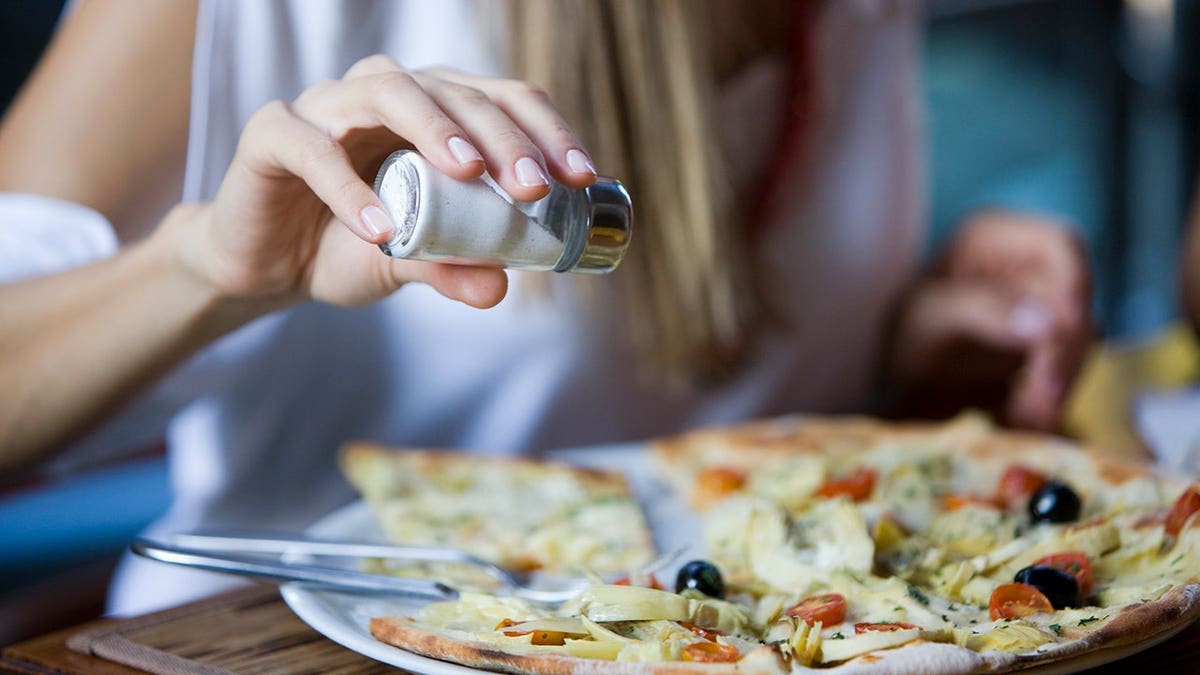
«No hemos observado ninguna relación entre la cantidad de sodio consumida y el deterioro de la memoria en las mujeres», declaró el investigador a Fox News . (iStock)
«Este estudio se suma a las pruebas de que las dietas ricas en sodio pueden afectar a algo más que a la presión arterial», declaró a Fox News la dietista titulada Erin Palinski-Wade, afincada en Nueva Jersey, que no participó en el estudio.
«Los resultados de este estudio nos recuerdan que la ingesta de sodio es importante para la salud del cerebro y del corazón, sobre todo para los adultos que ya consumen más de lo recomendado».
Limitaciones del estudio
«Aunque el exceso de sodio puede afectar a las funciones cognitivas, es importante señalar que se trata de un estudio observacional longitudinal, lo que significa que puede mostrar una asociación, pero no puede descartar otros posibles factores, como la calidad general de la dieta, la actividad física u otras comorbilidades», señaló Palinski-Wade.
Además, los participantes indicaron su ingesta de sodio mediante un cuestionario de frecuencia alimentaria, lo que podría dar lugar a errores de recuerdo, según señalaron los investigadores.
HAGA CLIC AQUÍ PARA VER MÁS ARTÍCULOS SOBRE SALUD
Como la exposición al sodio solo se midió al inicio del estudio, este no recogió los cambios en la ingesta a lo largo del tiempo. Además, solo tuvo en cuenta el contenido de sodio de los alimentos y bebidas, y no incluyó la sal añadida durante la cocción o en la mesa.
Los participantes eran en su mayoría caucásicos, lo que significa que puede que los resultados no sean aplicables a otras poblaciones.
HAGA CLIC AQUÍ PARA SUSCRIBIRSE A NUESTRO BOLETÍN DE SALUD
«No hemos podido averiguar por qué la ingesta de sodio tiene este efecto, y eso se investigará en el futuro», declaró Gardener a Fox News .
«Estos resultados son preliminares, y hay que seguir investigando para evaluar cómo se podría incorporar la ingesta de sodio como un factor modificable del estilo de vida con el objetivo de retrasar la aparición de la enfermedad de Alzheimer».
Consejos para reducir la ingesta de sodio
Las actuales «Guías alimentarias para los estadounidenses» recomiendan menos de 2.300 mg de sodio al día para los adultos, lo que equivale aproximadamente a una cucharadita de sal de mesa.
Entre los alimentos típicos con alto contenido en sodio de la dieta estadounidense se encuentran la pizza, los bocadillos y las hamburguesas, los embutidos, las patatas fritas, las galletas saladas y los aperitivos salados.

«Los resultados de este estudio nos recuerdan que la ingesta de sodio es importante para la salud del cerebro y del corazón», dijo un dietista. (iStock)
Otros alimentos con alto contenido en sodio que se pueden encontrar en el supermercado son los productos en conserva, los aderezos para ensaladas, los embutidos, los quesos y los condimentos, según Tanya Freirich, dietista titulada y especialista certificada en atención y educación diabética de Carolina del Norte.
«Hasta el 80 % de la ingesta de sodio proviene de los alimentos procesados», señaló.
HAZ CLIC AQUÍ PARA DESCARGAR LA APP DE FOX NEWS
«Sustituir un tentempié procesado —como la cecina, las aceitunas, los frutos secos salados, los pretzels y las patatas fritas o los chips de maíz envasados— por un tentempié sin procesar es un buen punto de partida», explicó Freirich, que tampoco participó en la investigación, a Fox News .
Entre los tentempiés más saludables y sin procesar se encuentran la fruta, los frutos secos ligeramente salados, las zanahorias y el hummus, o las versiones con menos sodio de las patatas fritas, dijo.
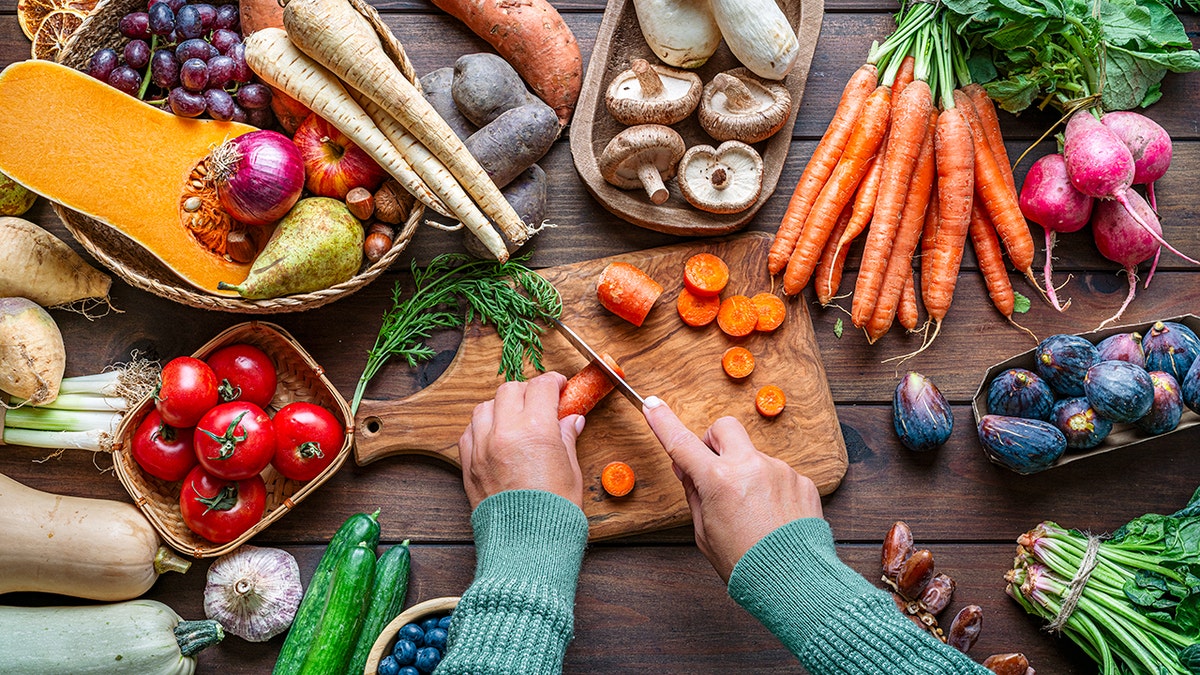
«Incluye en tu dieta alimentos que favorezcan la salud del corazón, como frutas y verduras enteras, frutos secos y semillas, legumbres y proteínas magras», aconsejó un nutricionista. (iStock)
«Sustituir algunas comidas de comida rápida por comida preparada en casa también es una forma excelente de reducir tu ingesta de sodio en miles de miligramos», aconsejó el experto.
Palinski-Wade se hizo eco de que la mayor parte del sodio de la dieta no viene del salero, sino de los alimentos ultraprocesados y precocinados.
PONTE A PRUEBA CON NUESTRO ÚLTIMO CUESTIONARIO SOBRE ESTILO DE VIDA
«Lee las etiquetas, controla lo que comes y llena tu dieta de alimentos que favorecen la salud del corazón, como frutas y verduras enteras, frutos secos y semillas, legumbres y proteínas magras», aconsejó.
Los expertos coincidieron en que reducir con éxito la ingesta de sodio puede disminuir el riesgo no solo de hipertensión y deterioro cognitivo, sino también de enfermedades renales y cardiovasculares.
