
























Kevin habla de una «gran oportunidad» tras el cierre del estrecho de Ormuz
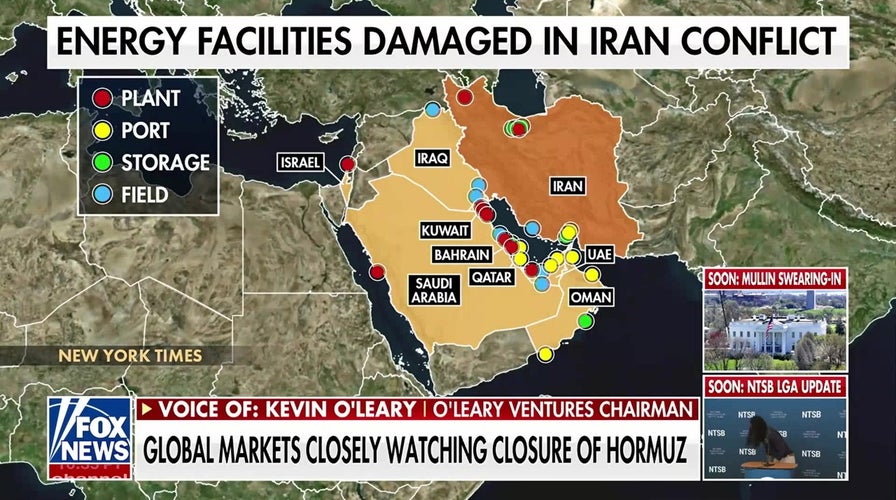
Kevin , presidente de O’Leary Ventures, analiza enAmerica Reports cómo están reaccionando los mercados mundiales ante el cierre del estrecho de Ormuz.
El presidente Donald ha dicho que la Armada de Irán está «completamente aniquilada», pero las pequeñas embarcaciones de ataque rápido a las que EE. UU. no dio prioridad siguen siendo una de las amenazas más peligrosas para la navegación en el estrecho de Ormuz.
Trump dijo que 158 embarcaciones iraníes fueron destruidas en los ataques conjuntos de EE. UU. e Israel, y advirtió de que cualquier embarcación que quedara y se acercara a las fuerzas estadounidenses sería «eliminada de inmediato», mientras el ejército se dispone a imponer un bloqueo del estrecho.
Pero los analistas de defensa dicen que esas embarcaciones más pequeñas —junto con las minas, los drones y los sistemas de misiles costeros— constituyen la columna vertebral de la estrategia de Irán en ese estrecho, lo que permite a Teherán entorpecer el tráfico sin llegar a bloquearlo por completo.
Según informes recientes , más del 60 % de la flota de ataque rápido de Irán —dirigida por el Cuerpo de la Guardia Revolucionaria Islámica— sigue intacta a pesar de semanas de ataques que, según las autoridades, han hundido más de 150 embarcaciones de mayor tamaño.
Esas embarcaciones más pequeñas y rápidas —junto con las minas, los drones y los sistemas de misiles costeros— constituyen la columna vertebral de la estrategia asimétrica de Irán, lo que le da a Teherán la capacidad suficiente para perturbar el tráfico por el estrecho de Ormuz sin llegar a cerrarlo por completo.
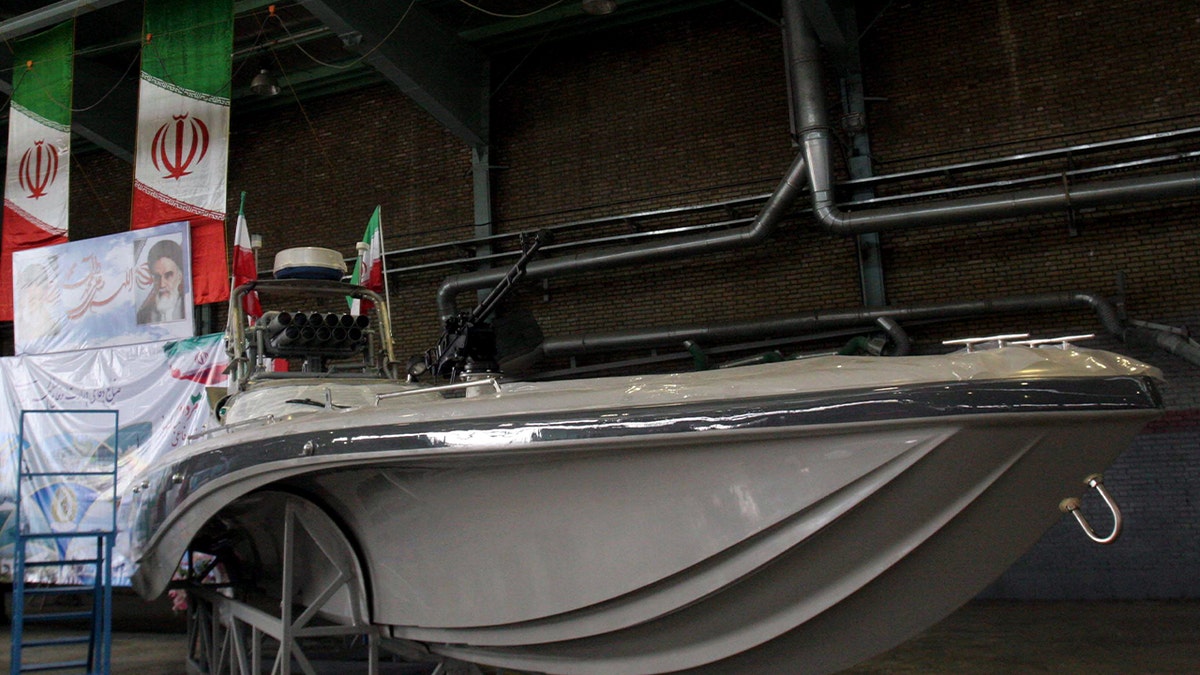
El «Seraj», una lancha de asalto de alta velocidad con capacidad para lanzar misiles de fabricación iraní, se exhibió en Teherán el 23 de agosto de 2010. (YALDAAFP Getty Images)
Aproximadamente una quinta parte del suministro mundial de petróleo pasa por el estrecho, y los analistas dicen que Irán no necesita bloquearlo por completo para que tenga un impacto a nivel mundial.
Incluso una combinación limitada de esas capacidades —unas cuantas minas, disparos esporádicos de misiles o hostigamiento con lanchas rápidas— puede bastar para aumentar el riesgo, ralentizar el tráfico y hacer subir los precios mundiales de la energía.
«No hace falta mucho para interrumpir el tráfico comercial en un estrecho marítimo con capacidad limitada», declaró a Fox News el vicealmirante Kevin , excomandante de la 5.ª Flota de EE. UU.
Aunque los ataques de EE. UU. han destrozado los buques de guerra más grandes de Irán, gran parte de su flota más pequeña sigue intacta.
Los analistas suelen decir que Irán cuenta con dos fuerzas navales: una flota convencional que ha sufrido grandes pérdidas y una marina paralela de la Guardia Revolucionaria, basada en lanchas rápidas, minas y drones, que sigue prácticamente intacta.
Esos buques son clave para la estrategia de Irán enlas estrechas aguas del estrecho de Ormuz.
«Podrías acabar siendo alcanzado por un dron iraní. Podrías acabar siendo alcanzado por un misil de crucero antibuque iraní o por un sistema naval robótico de superficie kamikaze iraní», declaró Can Kasapoglu a Fox News . «Quizá solo haya un 5 % de posibilidades, pero eso por sí solo provoca un repunte en las primas de los seguros...»
Las embarcaciones de ataque rápido son difíciles de rastrear y de tener como objetivo. Pueden dispersarse, mezclarse con el tráfico marítimo civil y actuar en enjambres, lo que les permite desbordar las defensas o aprovechar las lagunas en la cobertura.
Según los analistas, incluso un pequeño número de embarcaciones que queden puede suponer una amenaza constante, sobre todo en una vía navegable estrecha donde los tiempos de reacción son limitados.
El bloqueo de EE. UU. hace que las fuerzas navales estadounidenses estén ahora en contacto más cercano y prolongado con los recursos iraníes que quedan.
Trump advirtió de que cualquier embarcación iraní que se acercara a las fuerzas estadounidenses sería «eliminada de inmediato», lo que indica una postura más agresiva ahora que los barcos estadounidenses se están desplazando para controlar el tráfico por el estrecho.
Según los analistas, eso aumenta el riesgo de que la situación se agrave rápidamente, sobre todo en un contexto en el que hay pequeñas embarcaciones, drones y buques comerciales operando muy cerca unos de otros.
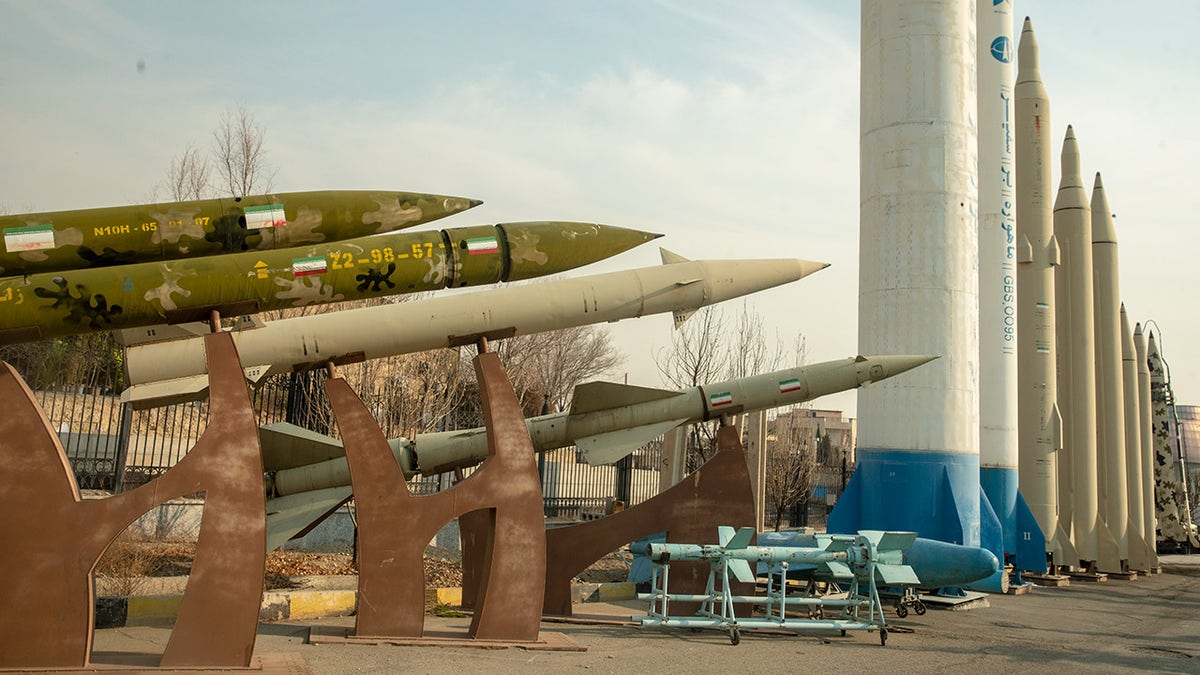
Para las empresas de transporte, hasta el más mínimo riesgo de catástrofe es demasiado. (MajidGetty Images)
Pero quizá la herramienta más disruptiva sean las minas navales, cuyo despliegue resulta relativamente barato, pero que pueden tener un impacto desmesurado en el transporte marítimo debido a la incertidumbre que generan.
A diferencia de los misiles o los drones, que se pueden rastrear e interceptar, las minas pueden permanecer ocultas en el agua, y algunas están diseñadas para detonar solo después de que un barco haya pasado por encima de ellas varias veces. Eso hace que sean más difíciles de localizar y obliga a los buques comerciales a asumir el riesgo incluso cuando no se ha producido ningún ataque.
Se cree que Irán tiene miles de minas navales, aunque solo haría falta un pequeño número para interrumpir el tráfico en el estrecho.
Según informaciones recientes, parece que solo se habrían colocado o preparado entre 10 y 12 minas, aunque las autoridades estadounidenses no han confirmado públicamente las cifras exactas. Para confirmar su número exacto y su ubicación, hay que detectarlas físicamente en el fondo marino, un proceso que lleva tiempo y requiere estar presente en el estrecho.
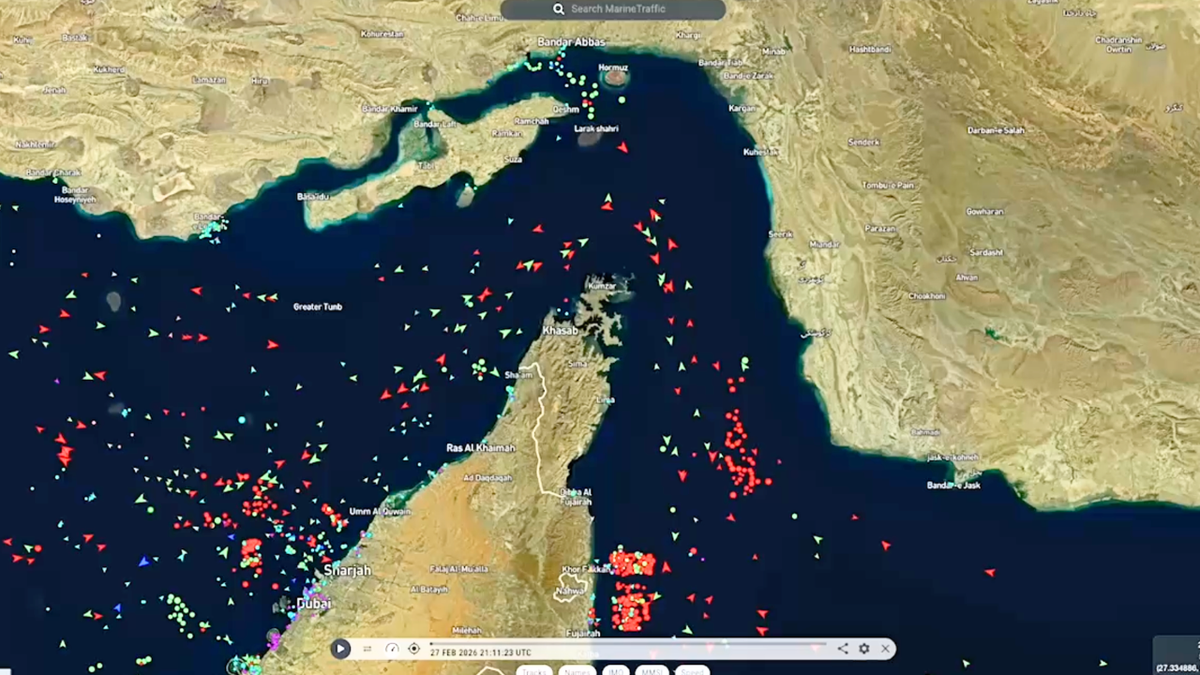
Una captura de pantalla de una plataforma de tráfico marítimo que muestra los buques en el estrecho de Ormuz el 4 de marzo de 2026. (Kpler/Marine Traffic)
Las operaciones mineras pueden ser especialmente difíciles de contrarrestar debido a esa incertidumbre, según ha dicho Behnam Ben Taleblu, investigador principal de la Fundación para la Defensa de las Democracias.
«Hay que pillarlos en plena acción», le dijo Fox News , al describir el reto que supone detener las embarcaciones más pequeñas que se usan para colocar minas.
Si se sospecha que hay minas, las fuerzas estadounidenses y aliadas se centran en identificar y asegurar corredores de tránsito estrechos, en lugar de despejar todo el estrecho de una sola vez.
Ese proceso suele empezar con el uso de sonares y vehículos submarinos no tripulados que exploran el fondo marino en busca de objetos parecidos a minas. Una vez detectados, esos objetos se marcan y se evitan, o bien se destruyen mediante sistemas controlados a distancia que colocan pequeñas cargas explosivas junto a la mina.
Como muchos de estos sistemas se controlan a distancia, los barcos que llevan a cabo operaciones de lucha contra las minas pueden mantenerse fuera de las zonas más peligrosas mientras utilizan drones y vehículos submarinos para detectar y neutralizar las minas.
Las herramientas en las que se basaría EE. UU. también han cambiado.
En 2025, la Armada retiró del servicio varios dragaminas de la clase Avenger con base en Baréin —buques ya antiguos que llevaban mucho tiempo utilizándose para detectar y neutralizar minas en el Golfo— y los sustituyó por sistemas más modernos basados en el buque de combate litoral.
En lugar de adentrarse directamente en zonas con riesgo de minas, esos barcos sirven de plataformas para sistemas no tripulados que se pueden desplegar a distancia para localizar y desactivar las minas.
Las fuerzas estadounidenses ya han atacado a buques iraníes dedicados al tendido de minas y a otros medios navales relacionados en el estrecho, pero es probable que las operaciones de desminado a gran escala se lleven a cabo más adelante, una vez que la amenaza se haya reducido aún más.
«Las capacidades no se limitan a una sola plataforma», dijo Donegan, señalando que los sistemas que se usan para detectar y neutralizar minas se pueden desplegar desde distintos tipos de buques.
«No somos los únicos que tenemos esa capacidad», dijo, y destacó que las armadas aliadas y regionales también pueden contribuir a las operaciones de desminado y a la protección del transporte marítimo comercial.
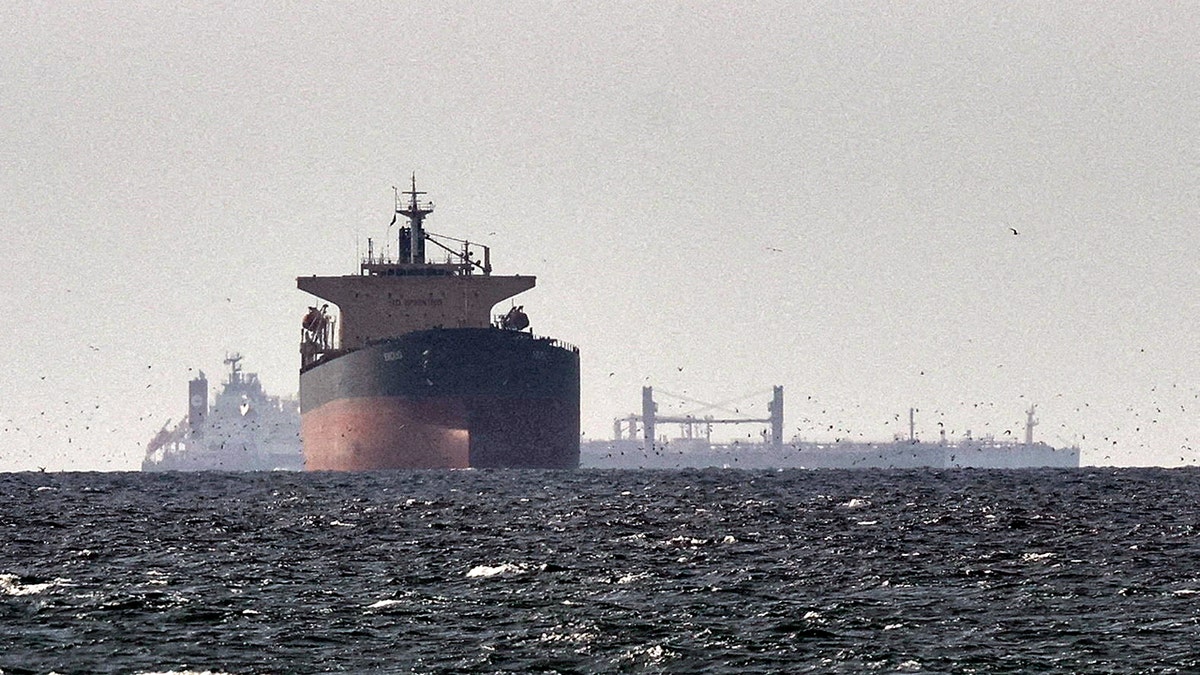
«Mantener el estrecho 100 % libre de amenazas, en realidad, desviaría la atención del objetivo principal del CENTCOM en este momento», declaró el analista de defensa Can Kasapoğlu a Fox News . (Reuters/Stringer/FotoReuters archivo/Foto de archivo)
«La economía mundial necesita una coalición marítima con aliados», dijo Kasapoglu. «Si hay un momento en el que los europeos deben dar un paso al frente, sobre todo los europeos occidentales —Francia, Gran Bretaña y todas esas potencias navales—, para compensar las décadas de seguridad que les ha proporcionado el poderío militar estadounidense, ese momento es ahora mismo».
Aún hay dudas sobre cómo funcionan los sistemas más nuevos en condiciones reales.
Un informe reciente del Pentágono sobre unas pruebas realizadas reveló que no había datos suficientes para evaluar a fondo la eficacia de las tecnologías clave de detección y desminado que se utilizan en los buques de combate litorales, mientras que pruebas anteriores ya habían señalado problemas de fiabilidad y disponibilidad en algunos de los sistemas no tripulados.
Aun así, la retirada de minas y la reanudación del tráfico marítimo probablemente supondrían un esfuerzo multinacional, en el que las fuerzas estadounidenses colaborarían con sus aliados para asegurar las rutas de tránsito, escoltar a los buques y ampliar poco a poco las zonas de paso seguro a lo largo de la vía navegable.
El reto inmediato es recuperar la confianza necesaria para que se reanude el tráfico marítimo mundial, un proceso que podría obligar a las armadas de EE. UU. y sus aliados a llevar a cabo operaciones de escolta prolongadas, mientras las aseguradoras y los mercados energéticos se adaptan al riesgo persistente en el estrecho.
HAZ CLIC AQUÍ PARA DESCARGAR LA APP DE FOX NEWS
En lugar de volver inmediatamente a la normalidad en el tráfico marítimo, lo más probable es que los buques naveguen en grupos más pequeños y controlados bajo protección militar, y que los corredores seguros se vayan ampliando a medida que se identifiquen y eliminen las amenazas.
Y mientras Irán siga teniendo, aunque sea de forma reducida, la capacidad de colocar minas, lanzar drones o hostigar a los barcos, es poco probable que el riesgo para una de las rutas petroleras más importantes del mundo desaparezca por completo, lo que hará que los mercados mundiales, los responsables militares y los líderes políticos tengan que lidiar con un periodo prolongado de incertidumbre.
