























La Dra. Nicole Saphier revela formas «importantes» de reducir el riesgo de cáncer de mama
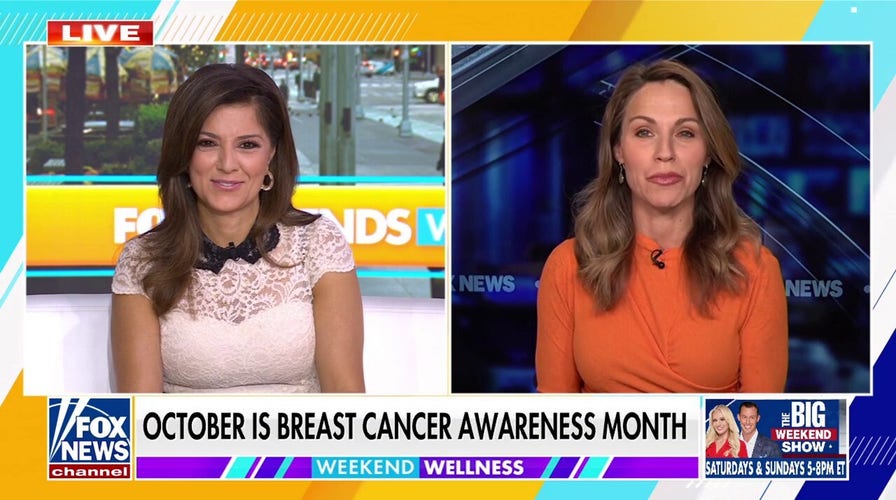
La Dra. Nicole Saphier, colaboradora Fox News , habla en el programa «Fox & Friends Weekend» sobre la exprotagonista de «The Bachelorette», Katie Thurston, y su labor de concienciación sobre el cáncer de mama, cómo reducir el riesgo y el modelo de telesalud de Amazon.
La mayoría de las mujeres se preparan para su primera mamografía anual a los 40 años para detectar el cáncer de mama, pero algunos expertos se preguntan si no es demasiado pronto y demasiado frecuente.
El Colegio Americano de Médicos (ACP) ha publicado recientemente unas nuevas recomendaciones sobre el cribado del cáncer de mama en función del riesgo, que han salido en la revista *Annals of Internal Medicine*.
Las recomendaciones actualizadas sugieren que todas las mujeres asintomáticas de riesgo medio, de entre 50 y 74 años, deberían hacerse una mamografía cada dos años.
Se recomienda a las personas de entre 40 y 49 años que hablen con un médico sobre su riesgo de padecer cáncer de mama, sopesando los posibles beneficios y riesgos de las pruebas de detección.
La ACP advirtió de que las pruebas de detección innecesarias pueden dar lugar a resultados falsos positivos, angustia psicológica, sobrediagnóstico, sobretratamiento, pruebas adicionales y exposición a la radiación.
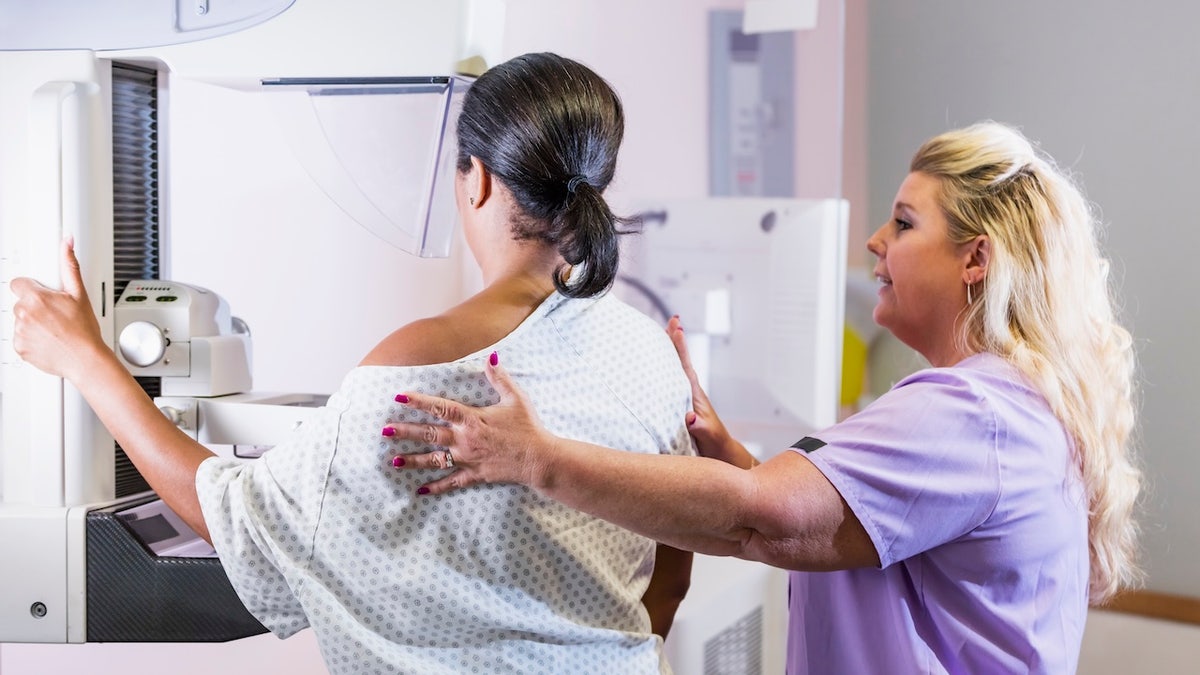
El Colegio Americano de Médicos recomienda hacerse pruebas de detección de cáncer de mama cada dos años a las mujeres de entre 50 y 74 años. (iStock)
Las mujeres de 75 años o más que no presenten síntomas y tengan un riesgo medio, así como aquellas con una esperanza de vida limitada, pueden hablar con sus médicos sobre la posibilidad de dejar de hacerse las pruebas de detección, añadió la ACP.
«Esto se debe a que los beneficios de las pruebas de detección a partir de los 74 años son menores o inciertos, mientras que los posibles riesgos, como el sobrediagnóstico, aumentan a medida que se envejece», explicaba.
En el caso de las pacientes con mamas densas, la ACP recomienda a los médicos que consideren la posibilidad de realizar una tomosíntesis digital de mama (DBT) complementaria, lo que a menudo se conoce como mamografía 3D.
«A la hora de tomar decisiones, hay que tener en cuenta los posibles beneficios y riesgos, la exposición a la radiación, la disponibilidad, los valores y preferencias del paciente, y el coste», escribió el grupo. «Sin embargo, la ACP desaconseja el uso de resonancias magnéticas o ecografías complementarias como pruebas de cribado en esta población».
Estas recomendaciones contaron con el respaldo del Comité de Directrices Clínicas de la ACP, que definió el «riesgo medio» como aquellas mujeres que no tienen antecedentes personales de cáncer de mama ni diagnóstico de una lesión mamaria de alto riesgo, mutación genética BRCA 1 o 2, otro síndrome de riesgo familiar de cáncer de mama ni antecedentes de radioterapia de alta dosis en el pecho a una edad temprana.
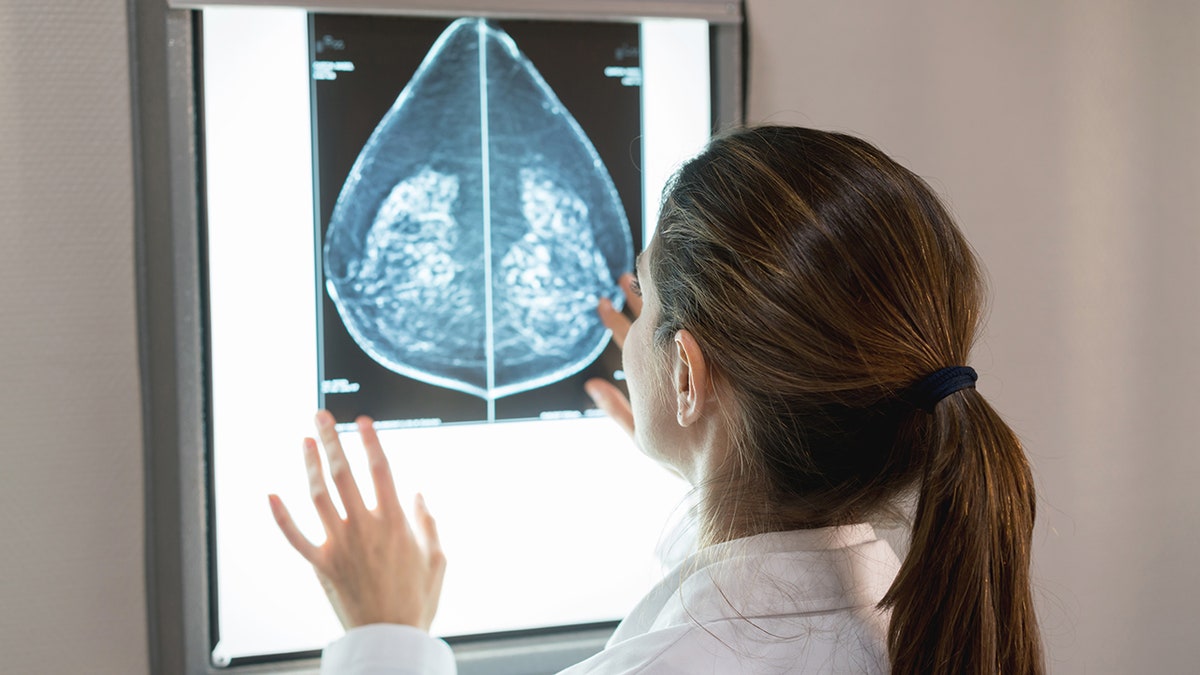
Según la ACP, las mamografías prematuras podrían causar daños psicológicos y exposición a la radiación. (iStock)
El Dr. Jason . Goldman, presidente de la ACP, comentó en un comunicado que las pruebas de detección del cáncer de mama son «esenciales y deben basarse en la mejor evidencia disponible».
«La ACP ha elaborado estas directrices para ofrecer a los médicos y a las mujeres la información que necesitan para tomar decisiones sobre las pruebas de detección del cáncer de mama, como cuándo empezar y cuándo dejar de hacérselas, con qué frecuencia hacerse las pruebas y qué métodos utilizar», dijo.
HAGA CLIC AQUÍ PARA VER MÁS ARTÍCULOS SOBRE SALUD
En una entrevista con Fox News , Lauren Carcas, oncóloga médica del Miami Institute, que forma parte de Baptist Health South Florida, analizó estas nuevas directrices y afirmó que «aumentan la confusión en torno a las recomendaciones sobre pruebas de detección».
«En general, esta recomendación se basa en un enfoque de cribado basado en el riesgo para determinar quién necesita pruebas de cribado más frecuentes o más intensivas y quién, en cambio, puede espaciar la frecuencia de las pruebas sin ningún problema», dijo.
UN ESTUDIO SUGIERE QUE EL LUGAR DONDE VIVES PODRÍA INFLUIR EN TU RIESGO DE FALLECIMIENTO POR CÁNCER
«Esto implica que todas las mujeres tengan el mismo acceso a conversaciones personalizadas y a una evaluación matizada de los riesgos, ya sea a través de su médico de cabecera o de su ginecólogo».
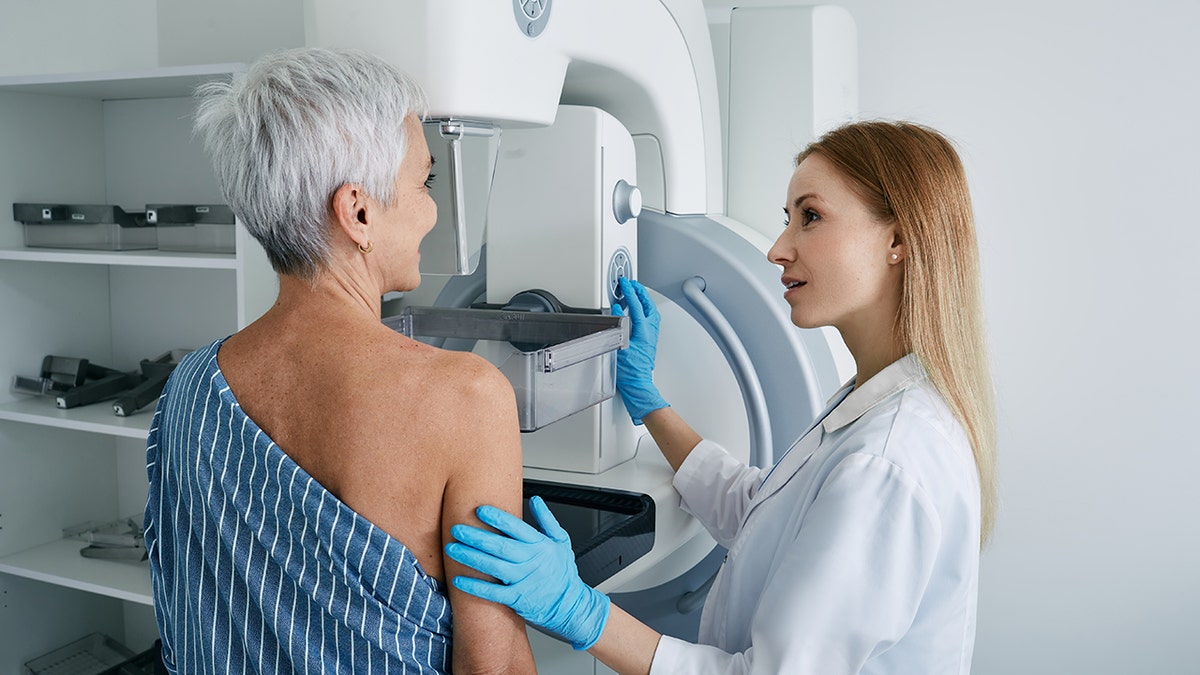
Un experto sugiere que hacer pruebas de detección cada dos años podría aumentar las desigualdades y retrasar el diagnóstico. (iStock)
Según Carcas, estas recomendaciones de cribado cada dos años podrían «aumentar las desigualdades y la probabilidad de que se pasen por alto casos de cáncer en las poblaciones que ya se ven afectadas por obstáculos para acceder a la atención sanitaria».
La nueva recomendación difiere de la de otras instituciones, como la Sociedad Americana de Cirujanos Mamarios y el Colegio Americano de Radiología/Sociedad de Imagen Mamaria, que recomiendan hacerse mamografías anuales, normalmente a partir de los 40 años.
HAZ CLIC AQUÍ PARA DESCARGAR LA APP DE FOX NEWS
«El intervalo entre pruebas de detección sigue siendo el punto de desacuerdo más importante entre todas las sociedades médicas y el grupo de trabajo sobre pruebas de detección», señaló Carcas.
«Todas las principales sociedades médicas de EE. UU. coinciden en que las mamografías deberían estar disponibles a partir de los 40 años», dijo. «Sin embargo, a los 25 años, todas las mujeres deberían someterse a una evaluación formal del riesgo de cáncer de mama para orientar sus pruebas de detección futuras».
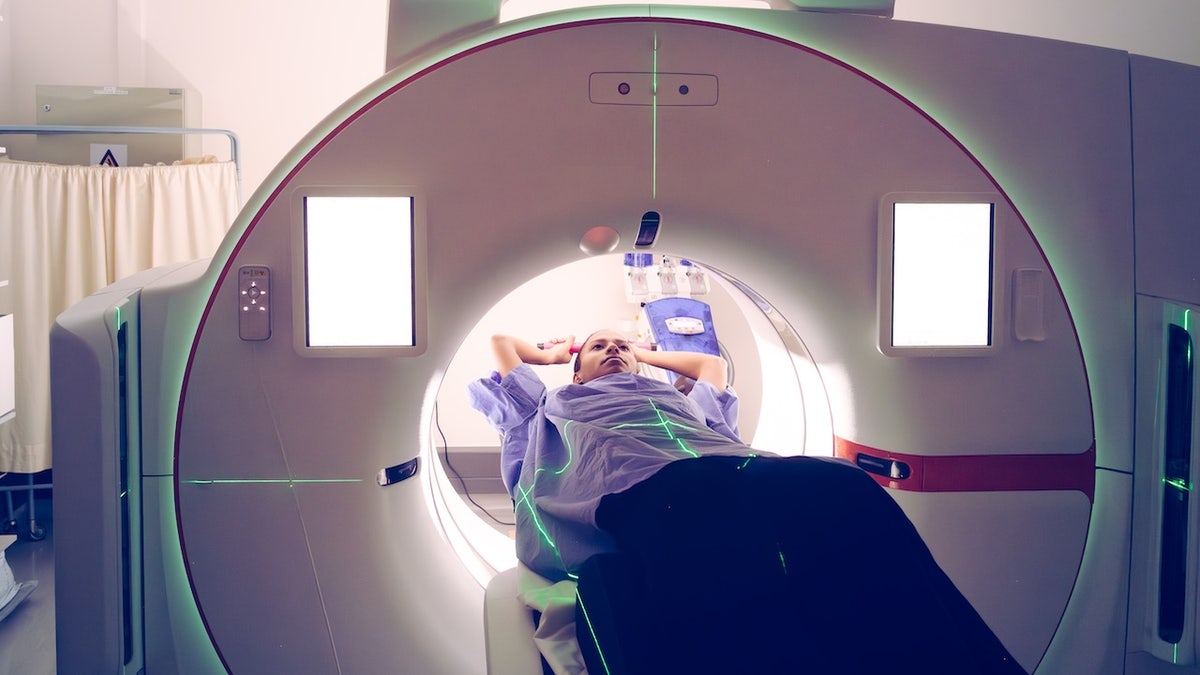
Las sociedades de radiología «recomiendan encarecidamente» la ecografía mamaria y/o la resonancia magnética para obtener «imágenes más completas y precisas», según Carcas. (iStock)
Carcas también cuestionó la recomendación de la ACP de no realizar resonancias magnéticas ni ecografías complementarias a las mujeres con tejido mamario denso, y de limitarse únicamente a la tomografía digital de mama (DBT).
«Las sociedades de radiología recomiendan encarecidamente que se incluyan y se tengan en cuenta la ecografía mamaria y/o la resonancia magnética para obtener imágenes más completas y precisas», dijo.
HAGA CLIC AQUÍ PARA SUSCRIBIRSE A NUESTRO BOLETÍN DE SALUD
Según Carcas, las mujeres que tienen un riesgo a lo largo de la vida del 20 % o más de desarrollar cáncer de mama se consideran de alto riesgo y deberían someterse a pruebas de detección anuales, con la posibilidad de añadir ecografías y resonancias magnéticas.
«Para una mujer con riesgo medio, la conversación entre la paciente y su médico será más matizada», dijo. «Dependiendo de las preferencias de cada una y de lo que le recomiende su ginecólogo o su médico de cabecera, la paciente se haría una mamografía cada año o cada dos años, según lo que se decida de forma conjunta».
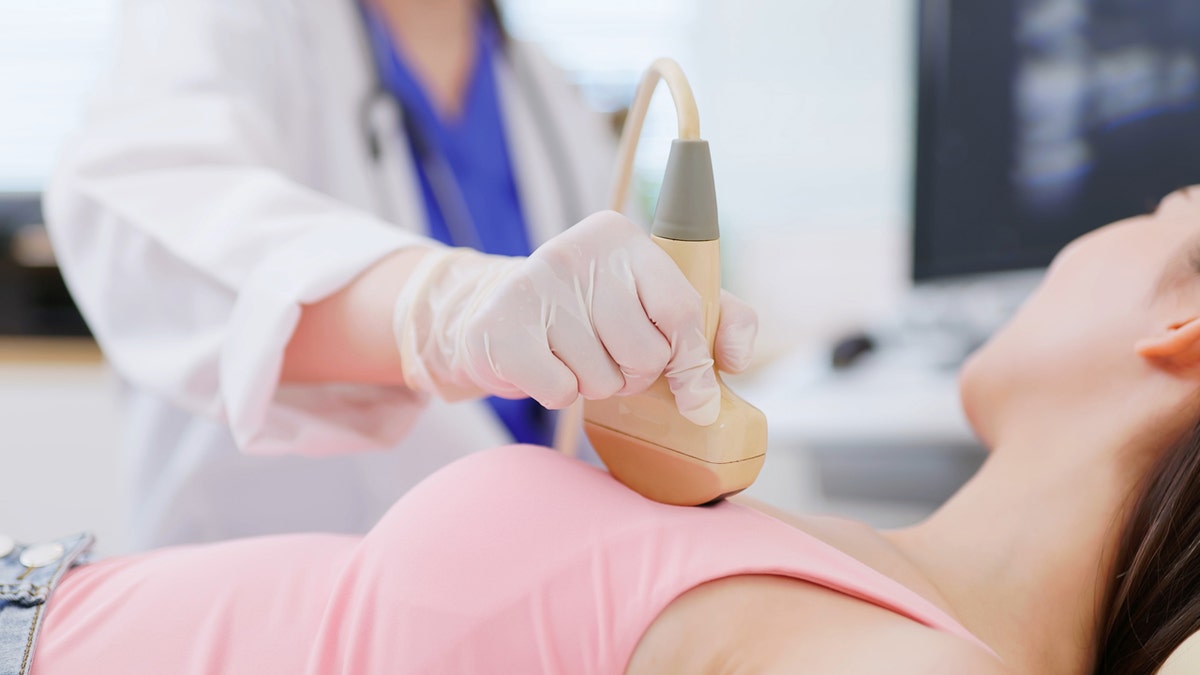
«Para una mujer con riesgo medio, la conversación entre la paciente y su médico será más matizada», dijo un médico. (iStock)
Carcas señaló que existe una «falta de pruebas» sobre el riesgo de mortalidad entre las pruebas de detección anuales y las bienales, ya que no se ha realizado ningún ensayo controlado aleatorio que investigue la diferencia entre ambas.
«La mayoría de las mujeres a las que se les diagnostica cáncer de mama seguro que agradecerían que se les diagnosticara en una fase más temprana, cuando es menos probable que se necesite quimioterapia u otros tratamientos agresivos», dijo.
PONTE A PRUEBA CON NUESTRO ÚLTIMO CUESTIONARIO SOBRE ESTILO DE VIDA
La doctora dijo que sigue pensando en recomendar revisiones anuales a sus pacientes y en ofrecer ecografías y resonancias magnéticas a quienes las necesiten.
«Sigo teniendo la esperanza de que esta nueva recomendación de la ACP no afecte a la cobertura del seguro de los pacientes que se someten a pruebas de detección, sobre todo teniendo en cuenta las diferencias que hay entre las recomendaciones de las distintas sociedades médicas», añadió Carcas.
