































Study sounds alarm over food preservatives potentially linked to cancer
Board-certified rheumatologist Dr. Mahsa Tehrani discusses two new studies — one examining potential links between food preservatives and cancer, and another detailing possible health risks tied to daylight saving time — on ‘America Reports.’
Reaching for the salt shaker at the kitchen table may seem like second nature for some – but it could reveal troubling details about your health.
Recent Brazilian research, published in the journal Frontiers in Public Health, investigated the impact of adding salt to food with a focus on older adults.
The study used national survey data from more than 8,000 Brazilians over the age of 60, collected between 2017 and 2018.
AGING COULD SLOW DOWN WITH ONE COMMON DAILY HABIT: 'LIVE LONGER AND BETTER'
Participants were asked the question, "Do you have the habit of adding salt to food at the table?" The researchers then deciphered certain traits that were linked to the habit.
About 10.9% of older adults said they used salt at the table. Men reported this habit more than women – 12.7% compared to 9.4%, according to the published study.
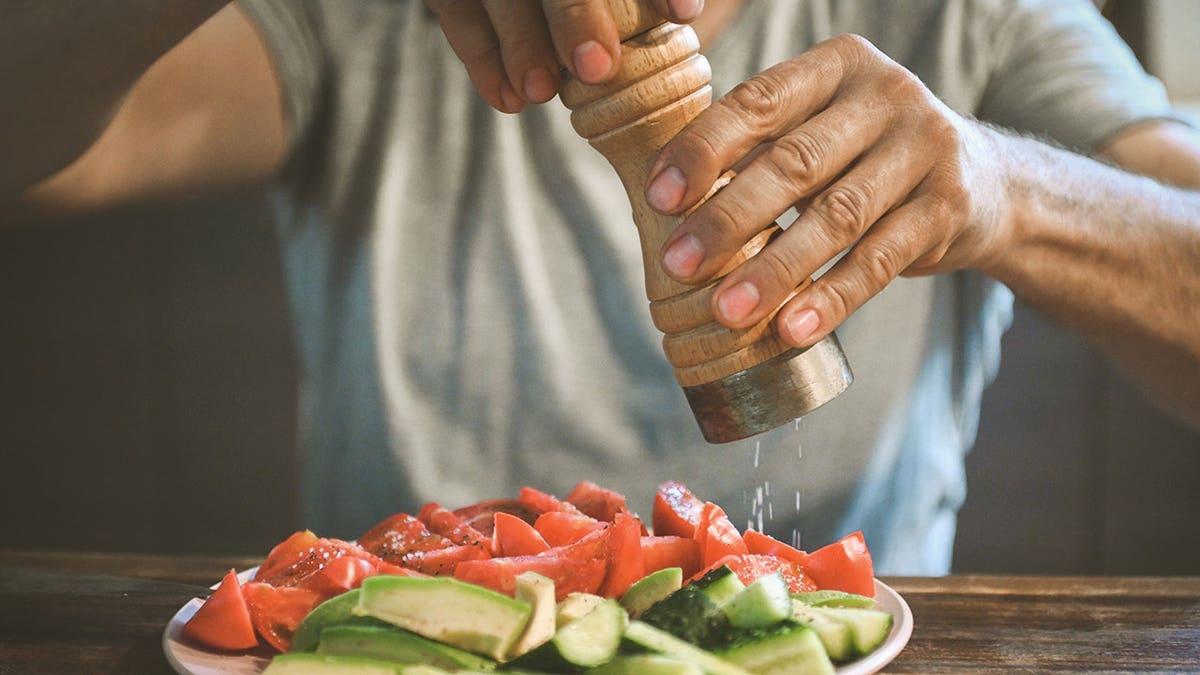
About 10.9% of older adults said they used salt at the table in a recent Brazilian survey. (iStock)
Men not following a diet for high blood pressure were more than twice as likely to add salt compared to men who follow this diet.
Men who reported living alone had a 62% higher likelihood of using salt compared to men who lived with others.
HEART DISEASE THREAT PROJECTED TO CLIMB SHARPLY FOR KEY DEMOGRAPHIC
Women not following a high blood pressure diet had 68% higher likelihood of using extra salt.
Adding salt was also associated with a lower intake of fruits and vegetables among women. The odds of adding salt to food were 81% higher in women who did not eat fruit, and 40% higher in those who did not eat vegetables.
Women who have a high concentration of ultraprocessed foods in their diet were more than twice as likely to add salt to food, as were those living in urban areas.
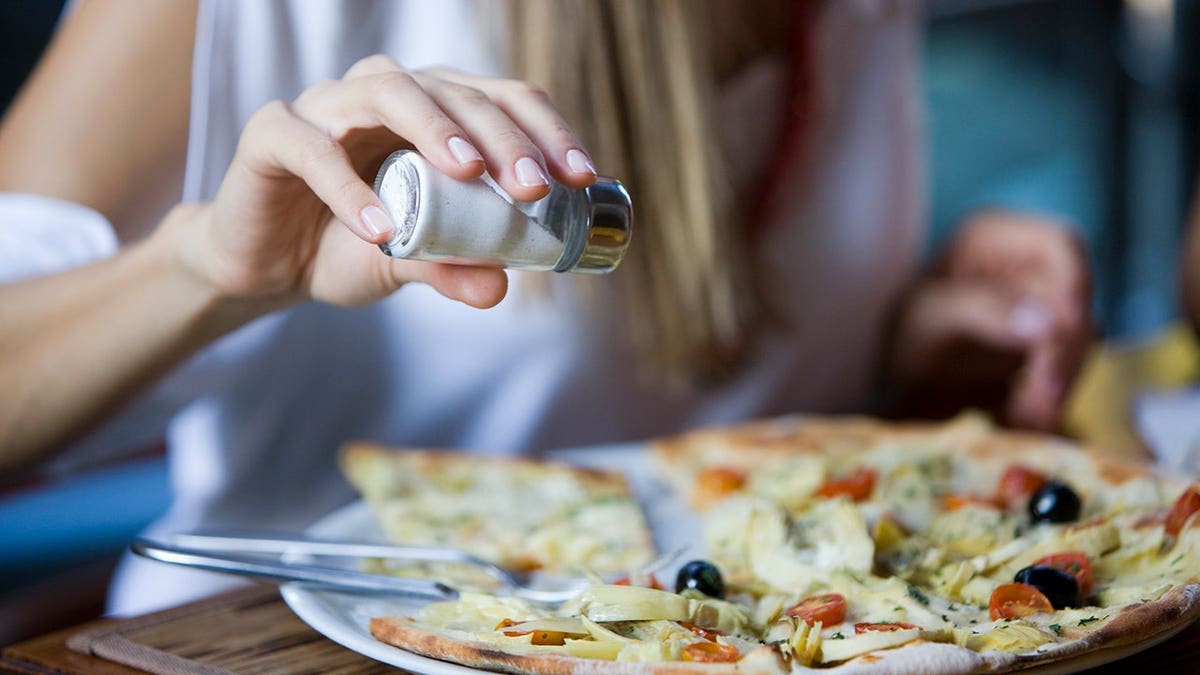
Women who added salt were less likely to eat fruits and vegetables, the data showed. (iStock)
As this study was cross-sectional, it showed an association but could not prove that one thing caused another, the researchers acknowledged. Some of the information was self-reported, which could also limit the findings.
Diets high in sodium are known to cause an increase in blood pressure, which also raises the risk of heart disease, gastric cancer, obesity, osteoporosis and kidney disease, according to the World Health Organization.
CLICK HERE FOR MORE HEALTH STORIES
About 1.89 million deaths each year are associated with consuming too much sodium, the organization reported.
The WHO recommends that adults consume less than 5 grams of salt per day, or just under a teaspoon, for best health outcomes.
CLICK HERE TO SIGN UP FOR OUR HEALTH NEWSLETTER
Study co-author Dr. Débora Santos, a titular professor at Rio de Janeiro State University, called for alternative ways to decrease additional use of salt.
"The use of herbs and natural seasonings as alternatives to salt, or culinary techniques such as using the acidity of citrus fruits, may help reduce discretionary salt use while maintaining food palatability," she wrote in a press release.
"Practical strategies, such as avoiding the routine placement of saltshakers on the table, may also help reduce habitual salt use."

About 1.89 million deaths each year are associated with consuming too much sodium, the organization reported. (iStock)
Los Angeles-based registered dietitian nutritionist Ilana Muhlstein said adding salt to food before trying it is one of her "biggest pet peeves."
"It's interesting that this study found that men were significantly more likely to add salt to their food compared to women, because this is an observation I've had as well," Muhlstein, who was not involved in the study, told Fox News Digital.
CLICK HERE TO DOWNLOAD THE FOX NEWS APP
"It could be because women are more bloat-conscious overall and may be more informed on the medical harms of excessive salt, as well as the more superficial ones like making your rings hard to take on or off (when you're dealing with water retention from increased salt intake)."
For men, Muhlstein suggested that those who live alone are potentially more likely to order takeout – and restaurants "tend to use much more salt than home cooking, which could make someone's preference for salty food much higher."

"Public health officials [should] promote nutrition education and the importance of whole foods, less processed foods and reduced salt intake overall," a nutritionist said. (iStock)
"That is further reflected in the stats showing that the less fruits and vegetables one eats, and the more processed foods consumed, the more likely one was to add salt to their food," she noted.
The finding that a low blood pressure diet positively influences a person's salt intake is "promising and intriguing," according to Muhlstein.
TEST YOURSELF WITH OUR LATEST LIFESTYLE QUIZ
"This should encourage HHS and public health officials to promote nutrition education and the importance of whole foods, less processed foods and reduced salt intake overall," she said.
