




















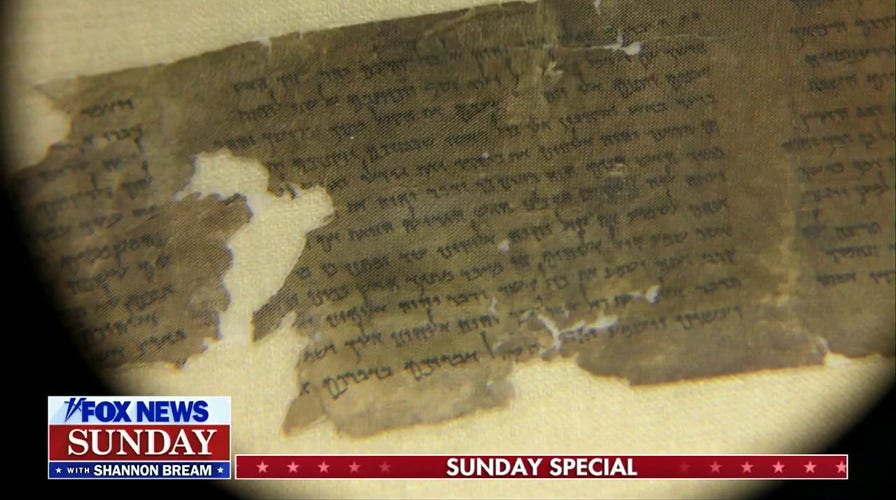
El Museo de la Biblia ofrece una visión única de los Rollos del Mar Muerto.
La conservadora jefe del Museo de la Biblia, la Dra. Robert Duke , ofrece a «Fox News Sunday» una visita especial a la exposición de los Rollos del Mar Muerto en el Museo de la Biblia de Washington, D.C.
Los Rollos del Mar Muerto me han fascinado durante años, no solo por lo que nos cuentan sobre el judaísmo y el mundo bíblico, sino también por lo que nos revelan sobre una de las cuestiones más polémicas del Oriente Medio actual: el vínculo histórico del pueblo judío con la tierra de Israel.
Llevo años defendiendo la paz y la reconciliación entre musulmanes y judíos. Y nunca he entendido por qué reconocer el vínculo milenario de los judíos con esta tierra se considera una amenaza para los musulmanes.
De hecho, creo que los Rollos del Mar Muerto son una de las mejores pruebas de l Israel. Mucho más poderosas que el «Iron Dome» o los F-35.
Los Rollos desmontan un argumento que se ha vuelto cada vez más común en algunos sectores del mundo árabe y occidental: la afirmación de que el vínculo de los judíos con la tierra es una invención política reciente creada por los europeos en el siglo XIX o XX.
EL EXVICEPRESIDENTE MIKE : CINCO AÑOS DESPUÉS, LOS ABRAHAM SIGUEN MARCANDO EL CAMINO HACIA LA PAZ
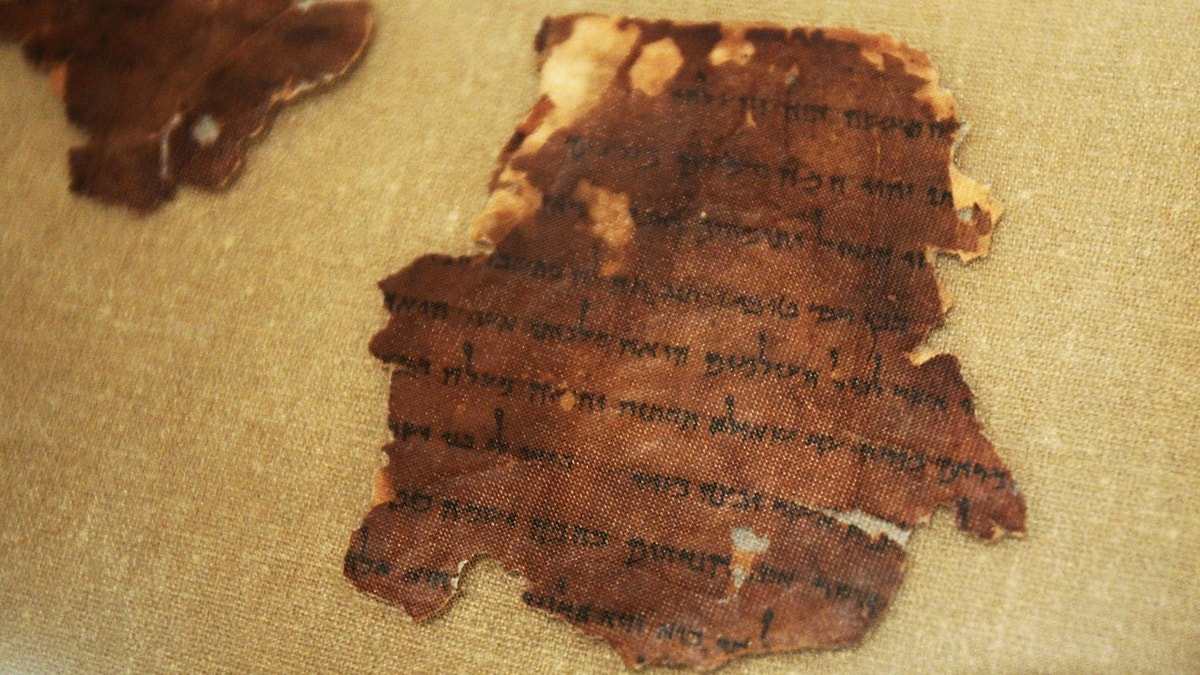
Los rollos han despertado un gran interés tanto entre los estudiosos como entre el público en general desde que se descubrieron. (Getty Images)
Los Rollos del Mar Muerto hacen que ese argumento sea muy difícil de sostener.
Su historia moderna empezó en 1947, cuando unos pastores beduinos encontraron unos manuscritos antiguos en unas cuevas cerca de Qumrán, junto al Mar Muerto. En los años siguientes, se descubrieron más cuevas que contenían miles de fragmentos que formaban parte de cientos de manuscritos que databan de los últimos siglos antes de la Era Común y del siglo I d. C.
Los escribieron judíos que vivían en esta región hace más de 2.000 años.
Cuando la gente habla de los Rollos del Mar Muerto, suele pensar que la colección está compuesta principalmente por copias de la Biblia hebrea. Los manuscritos bíblicos son, sin duda, uno de sus mayores tesoros. El Gran Rollo de Isaías, por ejemplo, es uno de los manuscritos bíblicos conservados más extraordinarios del mundo.
Pero la gran mayoría del material que se encontró en Qumrán no eran solo textos bíblicos.
La colección también incluye normas que regulan las comunidades religiosas, oraciones, debates jurídicos, interpretaciones bíblicas, himnos, literatura sapiencial y escritos sobre el fin de los tiempos. Algunos textos nos cuentan cómo se organizaban los miembros de determinadas comunidades judías, cómo imponían disciplina entre ellos y cómo entendían la pureza religiosa.
Esa es una de las razones por las que los Pergaminos me parecen mucho más interesantes que limitarse a decir: «Aquí tienes una copia antigua de la Biblia».
Nos permiten adentrarnos en el mundo intelectual y religioso de los judíos que vivieron hace aproximadamente dos milenios.
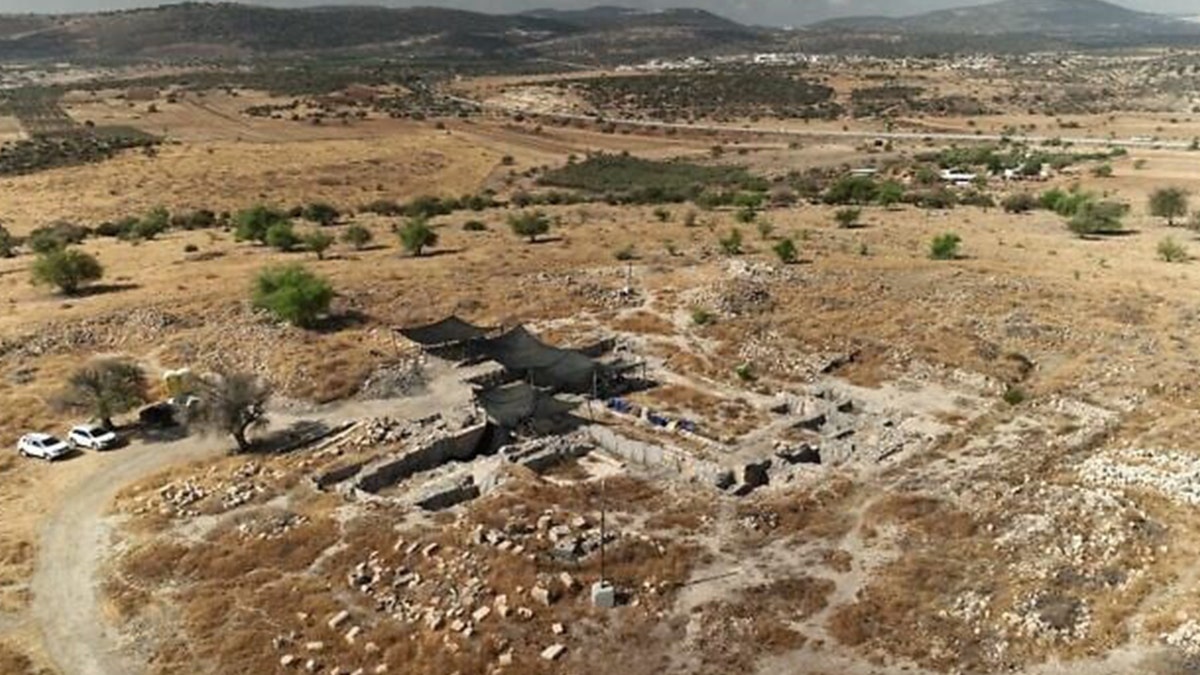
La región de Galilea, donde está el yacimiento arqueológico de Hukok, fue también el escenario de gran parte del ministerio de Jesús. (Emil Aladjem, Autoridad de Antigüedades de Israel )
Vemos cómo rezaban. Vemos cómo interpretaban las Escrituras. Vemos desacuerdos sobre la ley religiosa. Vemos sus expectativas sobre la redención y el Mesías. Incluso vemos los idiomas hebreo y arameo que usaban.
Como persona a la que le fascinan las lenguas, los manuscritos y la historia de la religión, me parece algo extraordinario. Además, esto sitúa a los Rollos muy cerca de otro mundo histórico que siempre me ha fascinado: el mundo de Jesús.
Jesús era un judío galileo que nació en Belén, en el contexto religioso del judaísmo del Segundo Templo. Los Rollos nos ofrecen una perspectiva extraordinaria de ese contexto más amplio.
No puedo demostrar que Jesús llegara a formar parte de la comunidad de Qumrán, ni nadie puede demostrar que tuviera en sus manos uno de esos manuscritos concretos que se descubrieron más tarde en esas cuevas.
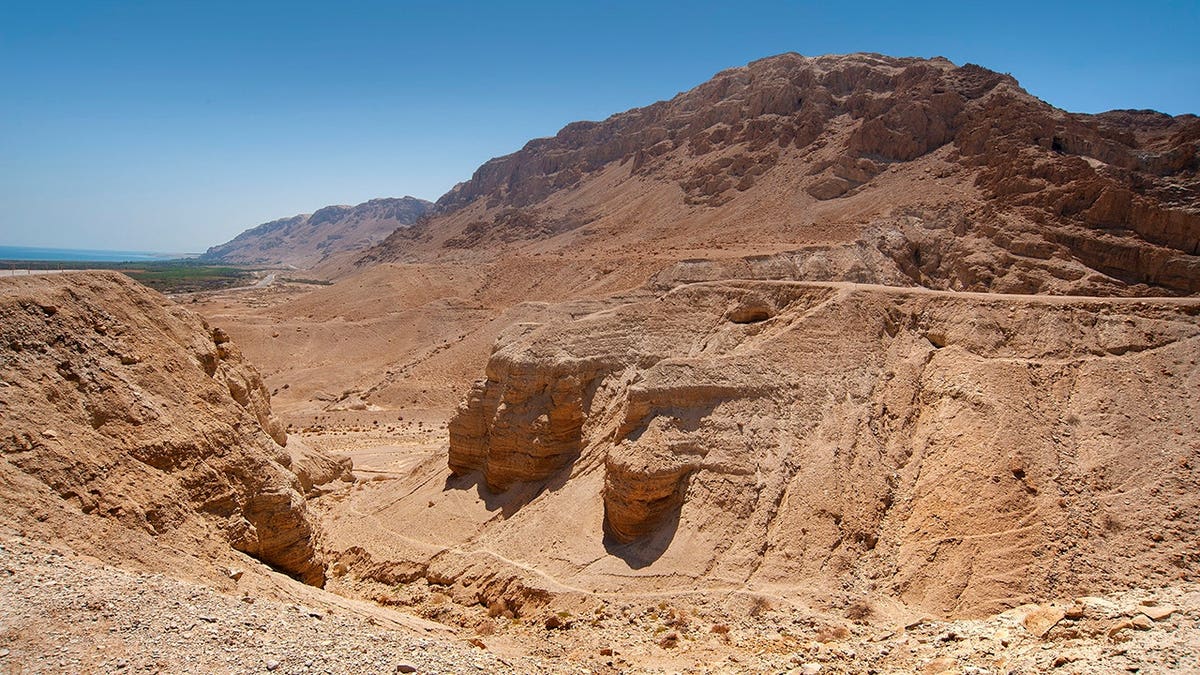
Las cuevas de Qumrán en Israel. (Claudio Ciabochi/UCG/Universal Images Group vía Getty Images)
Pero, personalmente, creo que es totalmente posible que Jesús se encontrara con textos o los leyera que pertenecieran a la misma tradición escritural que representan los Rollos del Mar Muerto (tal y como hizo con la traducción griega).
El Evangelio de « Luke » cuenta que Jesús entró en una sinagoga, le entregaron el rollo de Isaías y empezó a leerlo. Hoy en día, tenemos un manuscrito de Isaías que se encontró cerca del Mar Muerto y que es anterior a la época de Jesús.
Para mí, eso tiene algo muy profundo.
Como musulmán, Jesús también forma parte de mi tradición religiosa. Le llamamos Al-Maseeh, el Mesías (lo cual, irónicamente, significa en última instancia «el Salvador de Israel » y algunos musulmanes rechazan Israel!), y el Corán habla de él con una enorme reverencia.
Así que, cuando miro el Gran Rollo de Isaías, no veo algo que pertenezca a una civilización que me resulte completamente ajena. Veo parte del panorama religioso e histórico del que surgió el cristianismo y que el propio islam reconoce una y otra vez.
Por eso creo que los musulmanes deberían ser de los últimos en negar la historia antigua del pueblo judío.
El Corán está repleto de la historia de los Hijos de Israel (Bani Israel).
LA GUERRA CONTRA LAS RAÍCES JUDEO-CRISTIANAS DE ESTADOS UNIDOS AMENAZA TODO LO QUE COMPARTIMOS
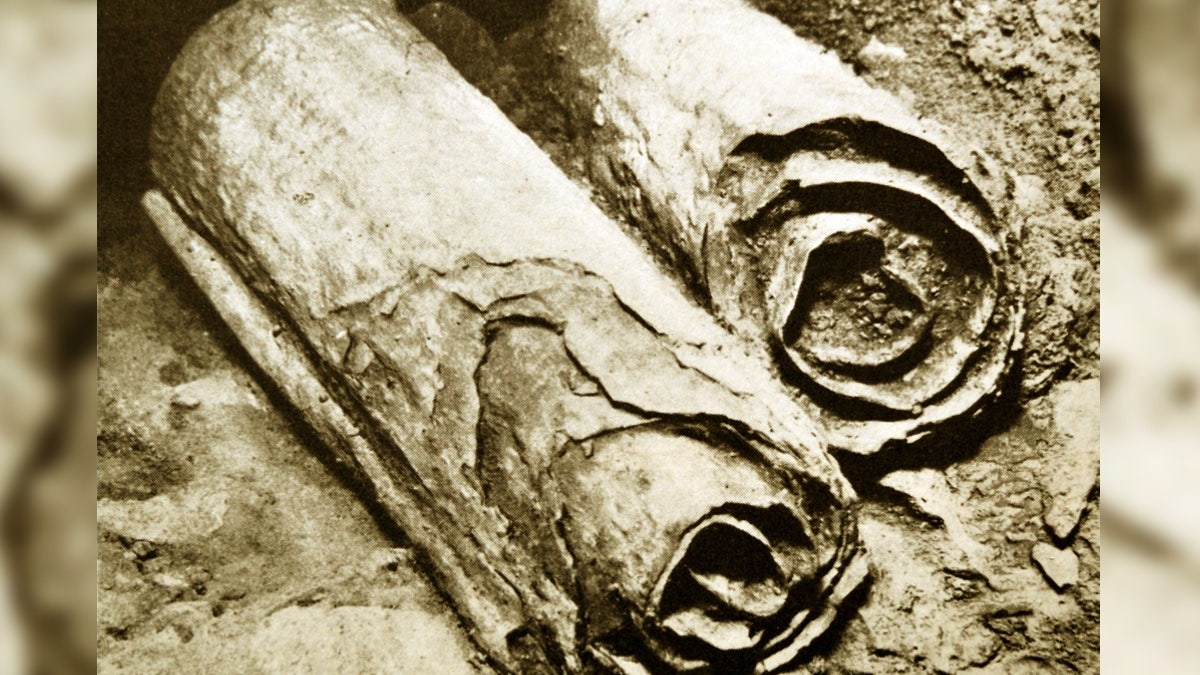
Estos Rollos del Mar Muerto se descubrieron en 1947 durante una excavación en las cuevas de Qumrán, al noroeste del Mar Muerto. (Foto 12/UIG vía Getty Images)
Moisés aparece mencionado en el Corán con más frecuencia que cualquier otro profeta. El Corán habla del rey David, de Salomón, Aaron, Joseph y de las tribus de Israel. Reconoce la Torá y, en repetidas ocasiones, sitúa su propio mensaje religioso en diálogo con las tradiciones judías y cristianas anteriores.
Por eso, en mi opinión, hay algo profundamente extraño en que algunos musulmanes piensen que hay que borrar la historia judía para defender los derechos de los árabes o los palestinos.
Puedo reconocer que el pueblo judío tiene una relación antigua e innegable con esta tierra, al tiempo que reconozco la humanidad y las aspiraciones legítimas de los palestinos (siempre y cuando no se trate de aniquilar a Israel ni a los judíos).
Esas dos ideas no se excluyen entre sí.
La paz nunca se conseguirá creando una amnesia histórica.
Durante décadas, los debates políticos en torno a « Israel » han ido más allá, con frecuencia, de la simple crítica a la política israelí para convertirse en algo mucho más preocupante: un intento de negar por completo la historia judía.
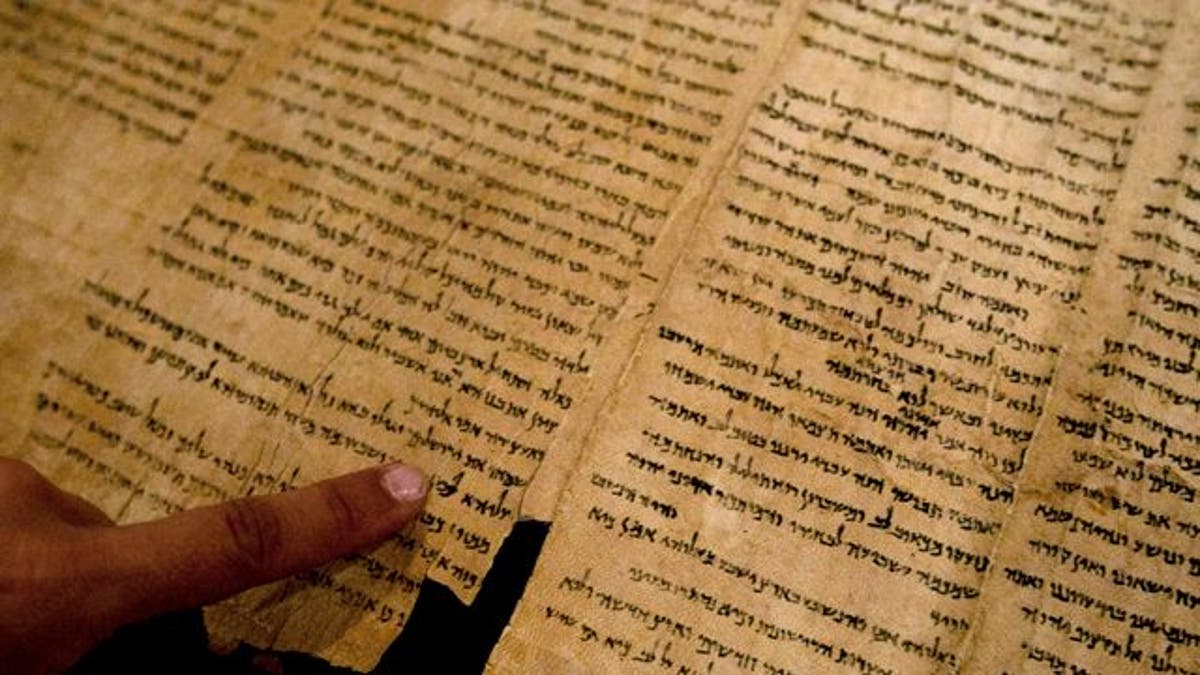
Un empleado del Museo « Israel » señala la palabra «Jerusalén», escrita en una parte del Rollo de Isaías —uno de los Rollos del Mar Muerto—, dentro de la cámara acorazada del edificio del Santuario del Libro, en el Museo « Israel » de Jerusalén. Dos mil años después de que se escribieran y décadas después de que se encontraran en unas cuevas del desierto, algunos de los mundialmente famosos Rollos del Mar Muerto están disponibles en línea. (AP Photo/Sebastian Scheiner)
Israel Se puede criticar. Se puede criticar a los gobiernos israelíes. Se pueden criticar las políticas.
Pero criticar a un gobierno no debería implicar fingir que una nación no existía en su tierra ancestral.
Y ahí es donde los Rollos del Mar Muerto cobran tanta importancia.
Son testigos silenciosos.
No participan en debates políticos. No salen en la tele. No les importan las ideologías modernas.
Nos dicen que las comunidades judías vivían en esta tierra, copiaban las Escrituras hebreas en esta tierra, desarrollaban instituciones religiosas en esta tierra y debatían el significado de su fe en esta tierra siglos antes de que apareciera el islam y siglos antes de que existiera el nacionalismo europeo moderno.
SUSCRÍBETE AL BOLETÍN DE «ANTISEMITISM EXPOSED»

Israel se manifiestan frente a la sede de las Naciones Unidas en Nueva York el 7 de abril de 2025. (Selcuk Acar/Anadolu vía Getty Images)
Por eso a veces digo que los Rollos del Mar Muerto son una de las armas más poderosas de «Israel ».
Me refiero a un arma contra la negación de la historia.
Y, a diferencia de la propaganda política, las pruebas arqueológicas no tienen por qué gritar.
Para mí, este tema también se está convirtiendo en algo cada vez más personal.
Mi formación académica es en ingeniería de software, pero con el paso de los años me he interesado mucho por las lenguas antiguas, la arqueología y la historia religiosa de nuestra región.
Una de mis mayores aspiraciones personales es cursar un doctorado en « Israel », centrado en los Rollos del Mar Muerto, en la Universidad Hebrea de Jerusalén.
Quiero estudiar su hebreo y su arameo, las comunidades que los crearon, su relación con la Biblia hebrea y el mundo del judaísmo del Segundo Templo.
Hay algo que me parece especialmente significativo en la idea de que un musulmán árabe estudie manuscritos judíos antiguos en Israel.
Me he pasado gran parte de mi vida pública defendiendo que los árabes y los israelíes, los musulmanes y los judíos, no tienen por qué seguir siendo prisioneros de los conflictos políticos y religiosos heredados de generaciones anteriores. La paz de verdad no es solo un tratado entre gobiernos. También es una transformación intelectual y cultural.
HAGA CLIC AQUÍ PARA MÁS OPINIONES DE FOX NEWS
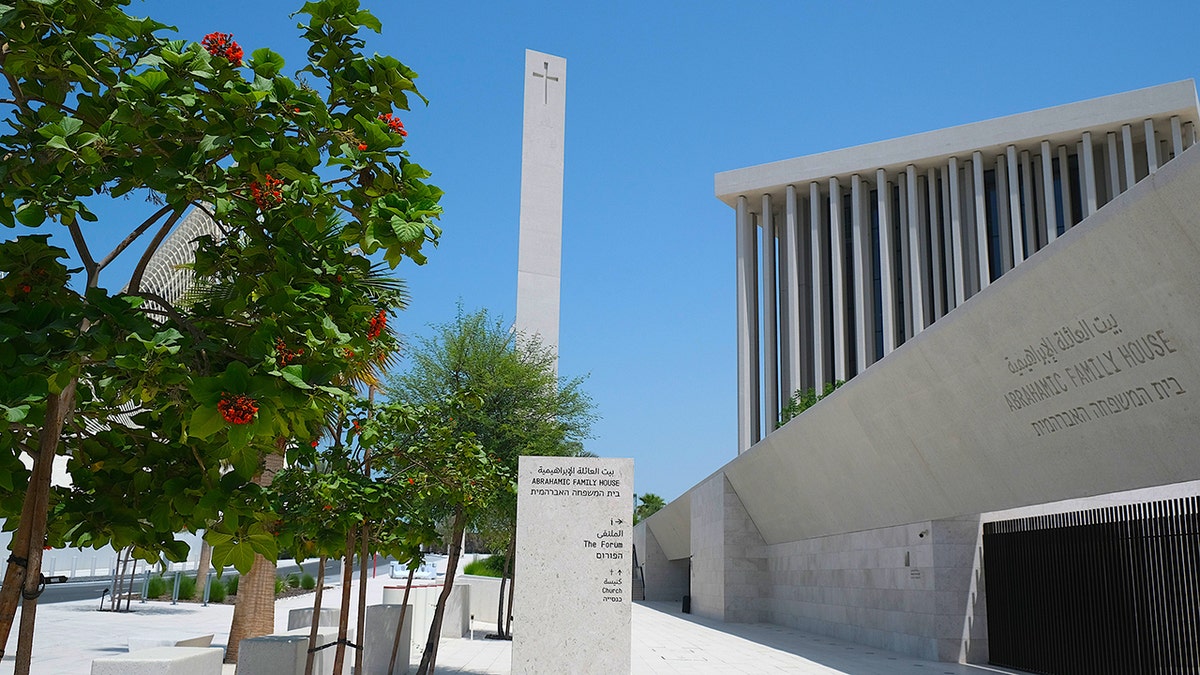
Vista exterior de la Casa de la Familia Abrahámica el 8 de septiembre de 2024 en Abu Dabi, Emiratos Árabes Unidos. La Casa de la Familia Abrahámica es un complejo formado por una mezquita, una iglesia y una sinagoga, y está dedicado a promover la convivencia pacífica para las generaciones venideras. Este espacio sirve para tender puentes entre la humanidad a través del intercambio de conocimientos, el diálogo continuo y la práctica de la fe. (Kaveh Kazemi/Getty Images)
Ocurre cuando un musulmán siente curiosidad por la historia judía en lugar de tenerle miedo. Ocurre cuando un árabe estudia hebreo. Ocurre cuando los judíos aprenden la historia y la lengua de sus vecinos árabes. Ocurre cuando reconocer la historia de otro pueblo ya no nos parece un ataque a la nuestra.
Los Rollos del Mar Muerto no pueden resolver el conflicto de Oriente Medio. Pero sí pueden enseñarnos algo fundamental sobre cómo lo abordamos. La historia no puede convertirse en algo que solo reconocemos cuando respalda nuestra postura política.
Si la arqueología demuestra algo que nos resulta incómodo, no deberíamos destruir los yacimientos arqueológicos. Lo que deberíamos hacer es ajustar nuestra forma de entender las cosas.
Para los musulmanes en particular, reconocer el vínculo ancestral del pueblo judío con esta tierra no debería asustarnos. No resta valor al islam, ni implica negar la identidad palestina ni el sufrimiento de los palestinos. Simplemente requiere honestidad intelectual.
Los Rollos del Mar Muerto estuvieron ocultos en cuevas durante casi dos mil años. Cuando por fin salieron a la luz, trajeron consigo las voces de un antiguo mundo judío.
HAZ CLIC AQUÍ PARA DESCARGAR LA APP DE FOX NEWS
Deberíamos tener la suficiente confianza en nuestra propia identidad como para escuchar esas voces.
