




















Las nuevas normas sobre vivienda añaden ahora más de 130 000 dólares al coste de comprar una casa, según una asociación de constructores
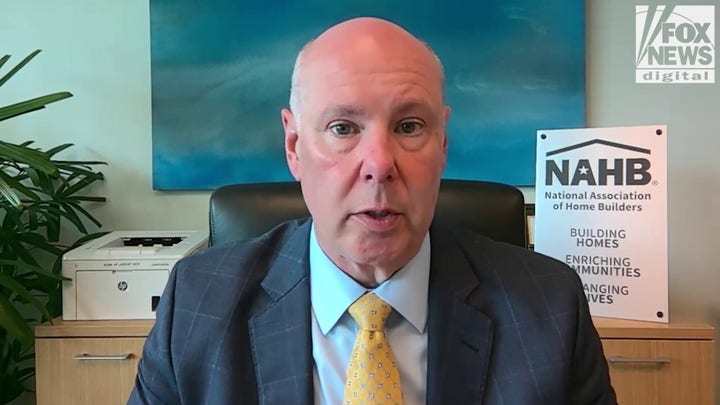
CEO Tobin, presidente y CEO de la Asociación Nacional de Home , afirma que las normativas federales, estatales y locales suponen ahora más de 130 000 dólares del coste de una vivienda nueva, lo que hace que muchos estadounidenses no puedan permitirse comprar una casa.
Las regulaciones del Gobierno están encareciendo el coste de las viviendas de nueva construcción en casi 132 000 dólares, según un nuevo informe publicado en un momento en el que los estadounidenses tienen dificultades para convertirse en propietarios de una vivienda.
Los resultados muestran que más de una cuarta parte del precio final de las viviendas de nueva construcción se debe a que la asequibilidad de la vivienda sigue siendo una de las principales preocupaciones a nivel nacional, ya que los elevados tipos de interés hipotecarios y la escasa oferta hacen que comprar una casa esté fuera del alcance de muchas familias.
También se espera que este tema sea uno de los principales focos de atención de cara a las elecciones de mitad de legislatura de 2026, ya que los legisladores se enfrentan a una presión cada vez mayor para abordar los elevados costes de la vivienda y la crisis de la asequibilidad en general.
EL MERCADO INMOBILIARIO ESTADOUNIDENSE PODRÍA QUEDARSE SIN ALGO MÁS IMPORTANTE QUE LAS VIVIENDAS
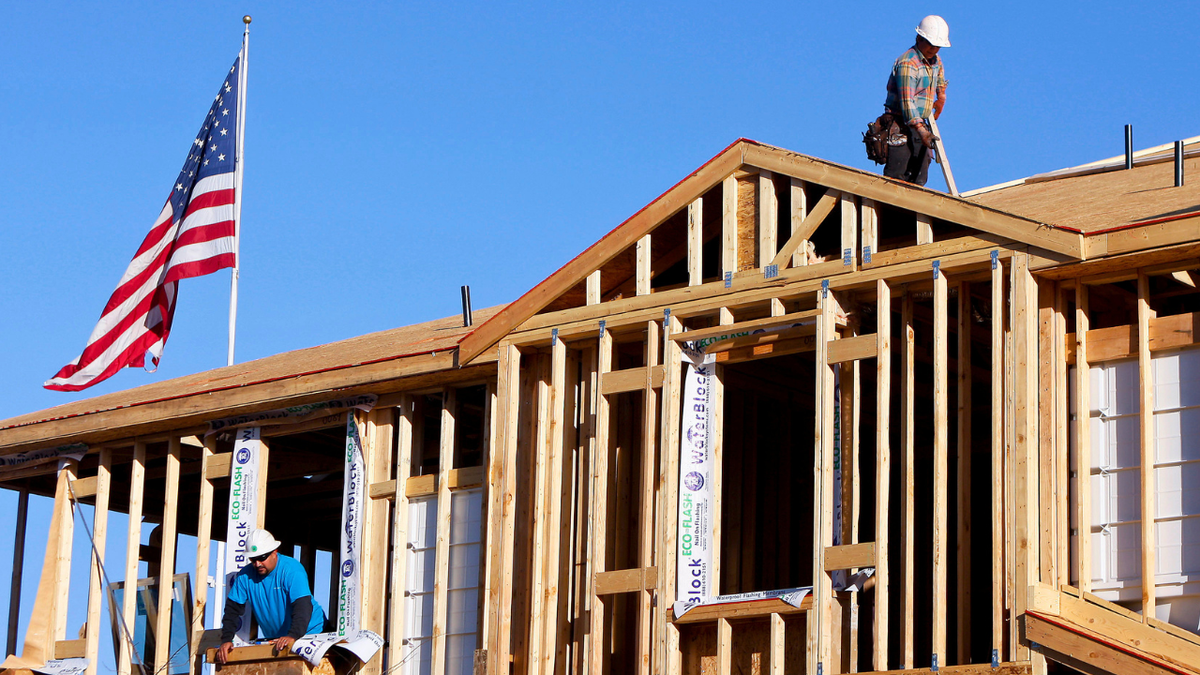
Los líderes del sector inmobiliario afirman que los estados que han dado prioridad a la construcción de viviendas han estado mejor preparados para hacer frente al crecimiento demográfico y a la expansión económica. (Joshua Getty Images)
La Asociación Nacional de Home (NAHB), que encargó el informe, sostiene que las regulaciones impuestas por los gobiernos federal, estatales y locales se han convertido en uno de los principales factores que provocan la escasez de viviendas y los problemas de asequibilidad en el país.
El estudio reveló que las normativas aumentan en una media de 131 734 dólares el coste de una vivienda de nueva construcción, lo que supone el 26,4 % del precio final de venta. Esta estimación, basada en el precio medio de una vivienda nueva de 499 500 dólares, supone el mayor incremento registrado entre encuestas consecutivas de la NAHB desde que la organización empezó a recopilar estos datos en 2011.
Los costes regulatorios se han disparado nada menos que un 40 % desde 2021.
«Actualizamos nuestro estudio cada cinco años y esto refuerza lo que llevamos diciendo desde el principio: que el coste de construir una vivienda unifamiliar en este país sigue aumentando y agravando la crisis de la asequibilidad de la vivienda», declaró CEO Tobin, presidente y CEO de la NAHB, a Fox News . «Hemos subido un 40 % en los últimos cinco años, y ahora las cargas normativas en todos los niveles de la administración suman más de 130 000 dólares al coste de una vivienda nueva».
La NAHB calcula que EE. UU. se enfrenta a una escasez estructural de viviendas de 1,2 millones de unidades, y sostiene que el aumento de los costes normativos dificulta aún más el incremento de la oferta.
Tobin dijo que los costes regulatorios varían de una zona a otra del país, y que los estados del sureste —como Texas, Florida las Carolinas— suelen tener un entorno regulatorio menos costoso que estados como California, Nueva York, Nueva Jersey e Illinois.
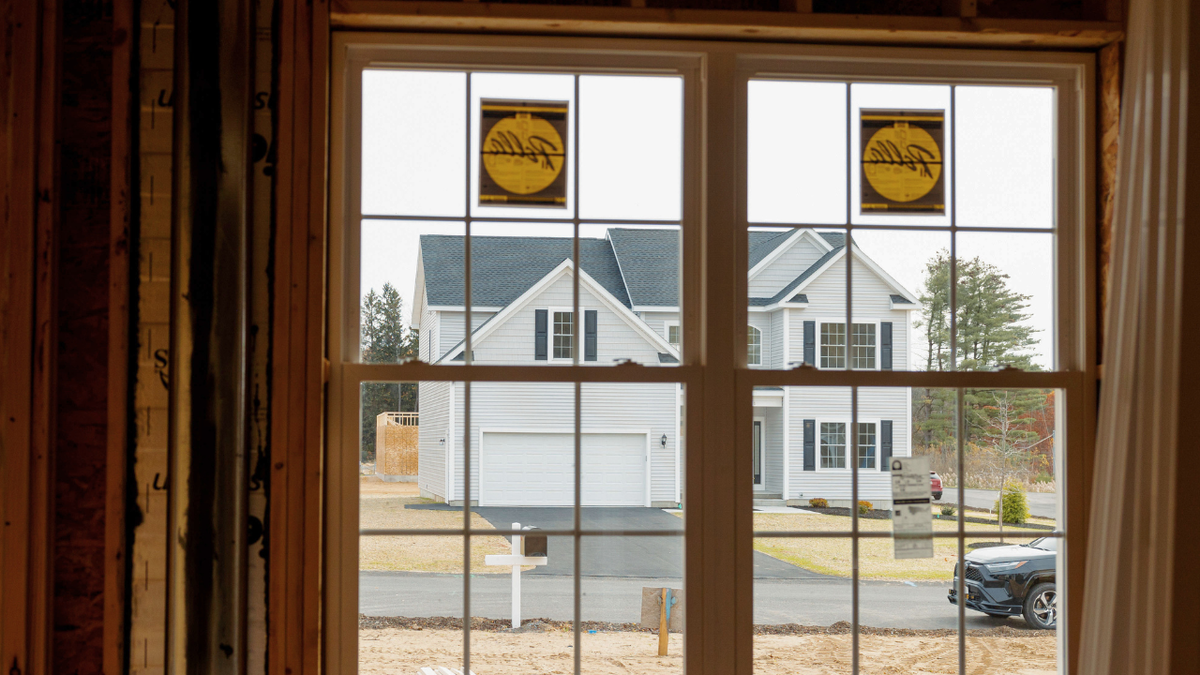
El informe de la NAHB sale a la luz en un momento en el que la asequibilidad de la vivienda sigue siendo una de las principales preocupaciones a nivel nacional, ya que los elevados tipos de interés hipotecarios y la escasa oferta hacen que comprar una casa esté fuera del alcance de muchas familias. (AngusGetty Images)
También dijo que espera que los costes regulatorios sigan subiendo, pero cree que los responsables políticos pueden ayudar a frenar ese ritmo mediante reformas.
«Cualquier cosa que podamos hacer para reducir ese coste, creo que sería muy importante», dijo Tobin.
Se refirió a la ley bipartidista «21st Century ROAD to Housing Act», que agilizaría la concesión de licencias, reduciría los obstáculos a la nueva construcción y ampliaría las herramientas de financiación destinadas a aumentar la oferta de viviendas en el país.
Ni la Casa Blanca ni el Departamento de Vivienda y Desarrollo Urbano respondieron de inmediato a la solicitud de comentarios Fox News sobre las conclusiones del informe.
HAZ CLIC AQUÍ PARA DESCARGAR LA APP DE FOX NEWS
La NAHB ha dicho que el estudio no pretende argumentar que haya que eliminar todas las normativas, sino cuantificar su efecto acumulativo sobre la asequibilidad de la vivienda.
«Aunque las normas son importantes, pueden llegar demasiado lejos», declaró Tobin a Fox News . «Tenemos que asegurarnos de que se protejan la salud y la seguridad, al tiempo que eliminamos las normas más gravosas y costosas que no hacen más que encarecer los precios e impedir que los estadounidenses puedan comprar una vivienda».
El análisis se basa en encuestas realizadas en marzo de 2026 a 54 promotores inmobiliarios y 337 constructores de viviendas unifamiliares.
