


















La tripulación del Artemis II reflexiona sobre la «INCREÍBLE» misión lunar
La tripulación de Artemis II compartió su asombro tras una eyección trans-lunar exitosa, lo que supone un hito histórico mientras se preparan para convertirse en los primeros humanos en viajar más lejos en el espacio que en cualquier otra misión anterior de la historia.
Los cuatro astronautas de la misión Artemis II ya han recorrido casi la mitad del camino hacia la Luna desde que despegaron el miércoles desde el Centro Espacial Kennedy.
«Desde la maniobra de inyección trans-lunar del [jueves] para enviar a la tripulación a dar la vuelta a la Luna, la misión sigue funcionando bien en general, y la tripulación está muy animada», dijo Lakiesha Hawkins, subdirectora adjunta en funciones de los sistemas de exploración NASA, en una rueda de prensa el viernes.
«Ahora mismo, la tripulación está a más de 100 000 millas de la Tierra y le quedan unas 150 000 millas para alejarse de la Luna.
«Por algo llamamos “moonshots” a las cosas increíbles que hacemos los humanos y, de hecho, este es, tanto literal como simbólicamente, nuestro “moonshot”, en el que estamos inmersos ahora mismo».
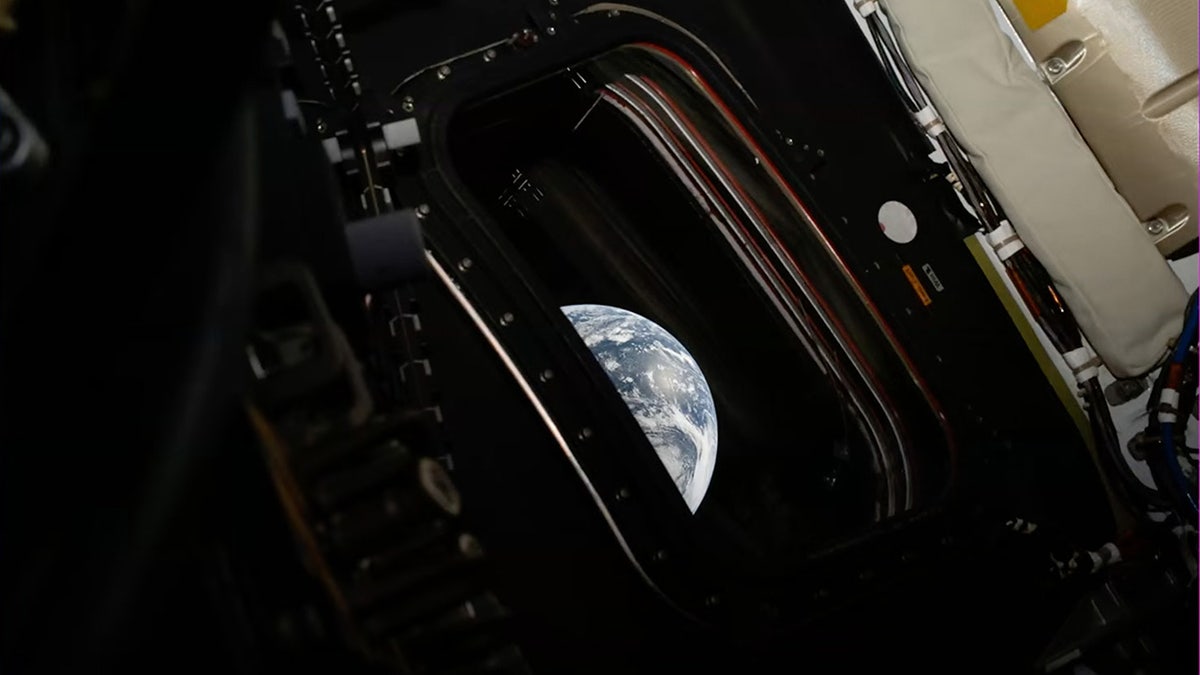
Una foto de la Tierra tomada el viernes por el comandante Reid Wiseman, uno de los astronautas de la misión NASA II NASA , desde el interior de la cápsula Orión. (NASA AP)
Hawkins también compartió dos fotos tomadas por el comandante Reid Wiseman desde la nave espacial Orión.
Según Hawkins, la primera imagen muestra una «Tierra a contraluz que deja ver las auroras mientras la tripulación se dirige hacia la Luna».
Dijo que la foto la sacó el astronauta Wiseman desde una ventana de la nave espacial Orión, y que en ella se ven dos auroras y la luz zodiacal «en la parte inferior derecha». «Se ve cuando la Tierra se interpone entre el Sol y nosotros».
«Es genial pensar que —excepto nuestros cuatro amigos— todos estamos en esta foto», dijo Hawkins.
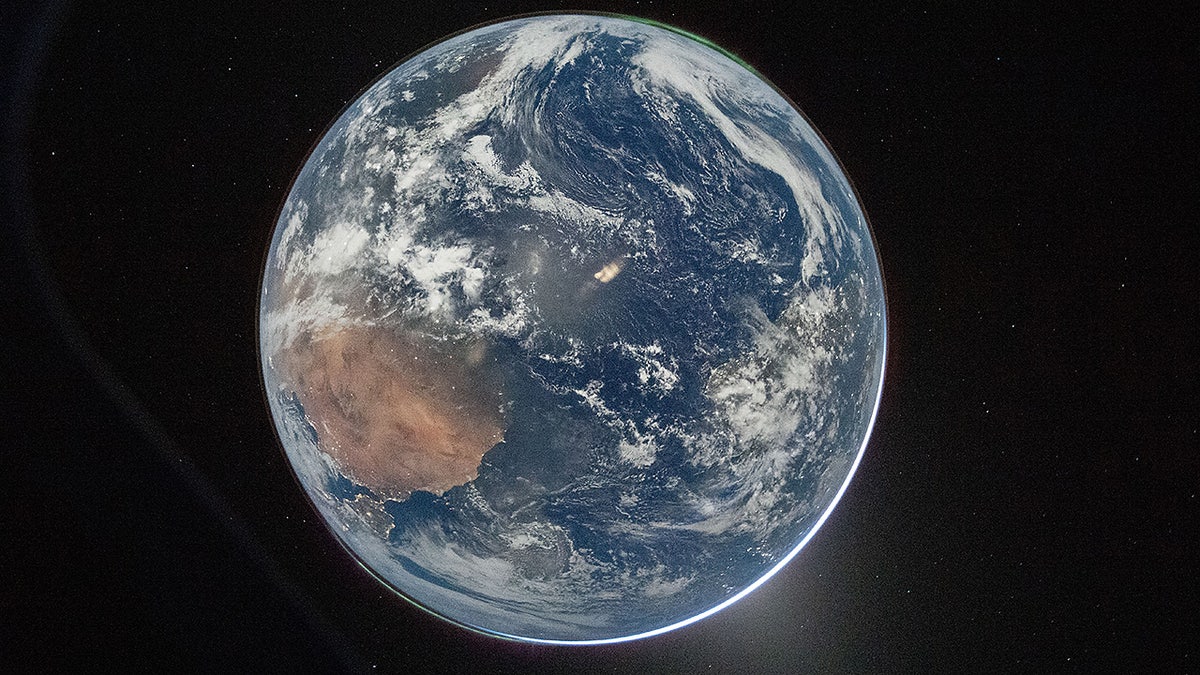
Esta imagen, facilitada por NASA una vista de la Tierra tomada por NASA y comandante de la misión Artemis II, Reid Wiseman, desde la ventanilla de la nave espacial tras completar la maniobra de inyección translunar. (NASA AP)
Una segunda foto tomada el jueves por Wiseman tras la maniobra de inyección trans-lunar —que impulsa a la nave espacial fuera de la órbita terrestre— muestra la línea del terminador, que separa el día de la noche en la Tierra.
«Así que seguimos aprendiendo cosas sobre nuestra nave espacial mientras la manejamos en el espacio profundo con tripulación por primera vez, y es importante que lo tengamos presente a medida que vamos aprendiendo un poco más cada día», dijo Hawkins.
Judd Frieling, director de vuelo de ascenso de la misión Artemis II, dijo que, tras la maniobra de inyección trans-lunar del jueves, la tripulación revisó las ventanas, organizó reuniones médicas y, mientras dormían, el equipo de tierra comprobó el funcionamiento de la nave espacial.
Y cuando los astronautas se despertaron el viernes por la mañana, pudieron hablar con sus familias.
«Teníamos previsto realizar una maniobra de corrección de trayectoria», dijo Frieling. «Los sistemas están funcionando tan bien ahora —tanto los de navegación como los de propulsión— que no ha sido necesario. Así que lo dejaremos para la próxima maniobra de corrección de trayectoria prevista para mañana».
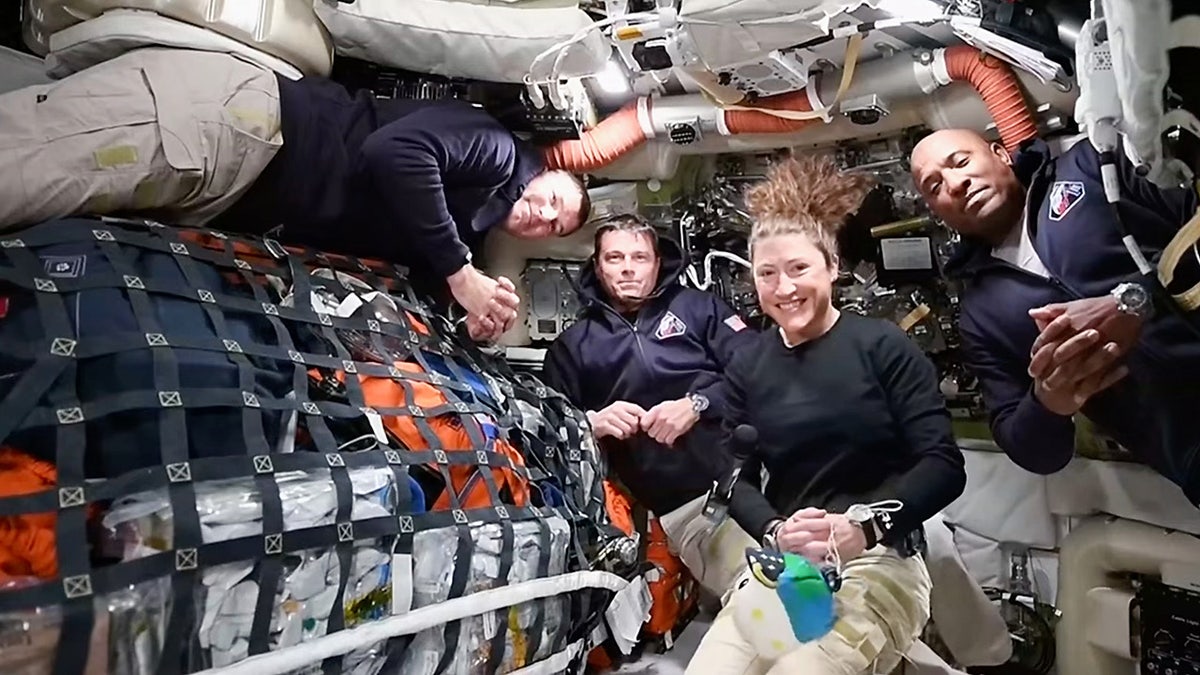
Esta imagen, extraída de un vídeo facilitado por NASA la tripulación de Artemis II: el astronauta canadiense y especialista de misión Jeremy Hansen, a la izquierda; el comandante Reid Wiseman; la especialista de misión Christina y el piloto Victor Glover. (NASA AP)
VUELVE LA CARRERA HACIA LA LUNA; NASA QUE PONERSE LAS PILAS PARA GANARLE A LOS CHINOS
Howard , director del programa Orion, dijo que los subsistemas de la nave siguen funcionando bien, que el sistema de revitalización del aire «funciona muy bien» y que el consumo de propulsante se situó dentro del 5 % de los límites previstos.
Dijo que están resolviendo un problema de presurización relacionado con el helio que se usa para presurizar los depósitos de propulsante, los cuales expulsan el oxidante y el combustible para realizar algunas de las principales combustiones.
Hu dijo que hubo que aislar una rama, pero que es redundante y no afecta a la misión.
HAGA CLIC AQUÍ PARA MÁS OPINIONES DE FOX NEWS
«Podemos realizar el resto de las combustiones de la misión sin necesidad de regulación, lo que llamamos “modo de purga”», dijo. «En otras palabras, hay suficiente presión de helio en los depósitos del propio oxidante como para expulsar el combustible sin necesidad de regularlo ni de recurrir a más helio de los depósitos de helio».
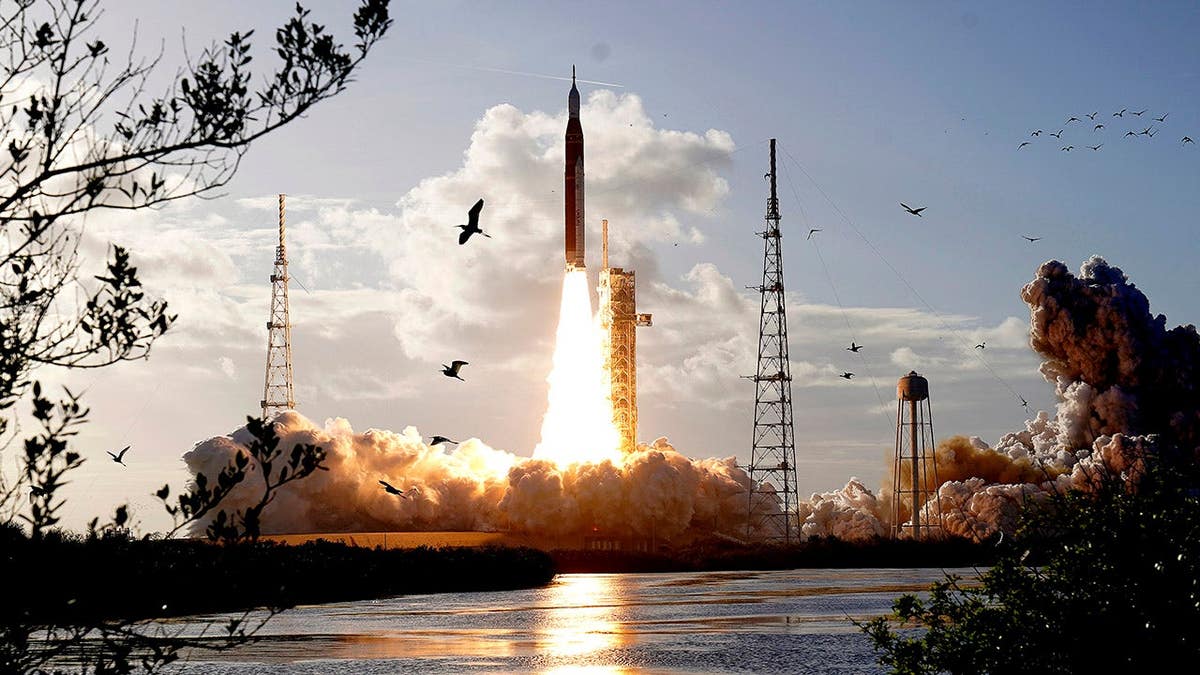
El cohete lunar Artemis IINASA despega este miércoles desde la plataforma de lanzamiento 39-B del Centro Espacial Kennedy, en Cabo Cañaveral, Florida. (Chris )
Hu también mostró una foto de una parte de la Tierra vista a través de una ventana de la nave espacial, que, según dijo, también la había hecho Wiseman.
«Me emociona muchísimo ver cómo se hace esa foto», dijo Hu.
HAZ CLIC AQUÍ PARA DESCARGAR LA APP DE FOX NEWS
Hu mostró otra foto de la tripulación y bromeó diciendo que el especialista de misión Jeremy Hansen parecía que no estaba «trabajando mucho, así que voy a tener que comprobar si está haciendo algo más que estar ahí tumbado de lado, pero me encanta ver a la tripulación. Me encanta ver sus caras sonrientes y oírles hablar de sus experiencias hasta ahora».
También van a bordo de la cápsula Orion para la misión de 10 días que dará la vuelta a la Luna NASA Victor Glover y la especialista de misión Christina .
