













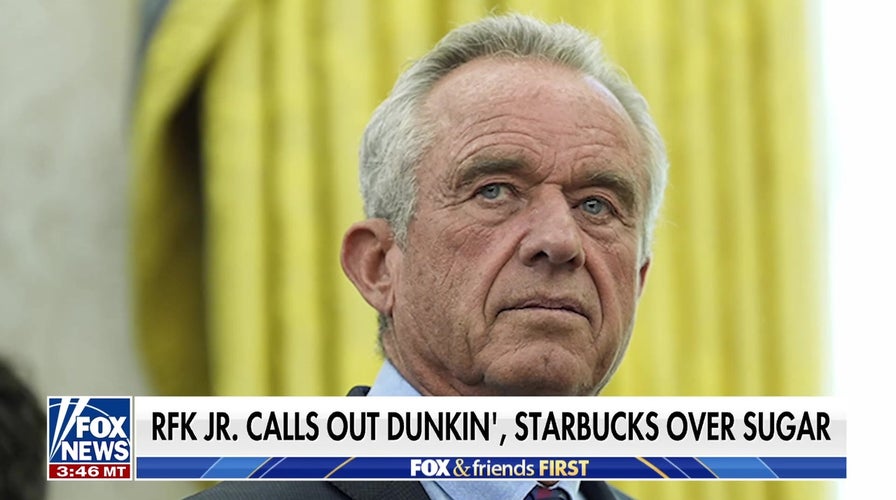
RFK critica a Dunkin' y Starbucks el contenido de azúcar en el café helado
La Dra. Janette Nesheiwat, especialista en medicina familiar y de urgencias, habla sobre los efectos nocivos del consumo excesivo de azúcar, después de que Sec del Departamento de Salud y Servicios Humanos (HHS), RFK , cuestionara la seguridad de las bebidas azucaradas de las principales cadenas de cafeterías.
Hace años, en mi consulta de pediatría, estaba hablando con la madre de uno de mis pacientes. Mientras le explicaba las últimas recomendaciones nutricionales para su hijo, me interrumpió de golpe:
«Sé lo que dicen las directrices. Sé lo que se supone que tengo que hacer», dijo. «Pero, aparte de McDonald’s, ¿dónde am a dar de comer a mi familia con 10 dólares?»
Me gustaría hacerle esa pregunta al secretario de Salud y Servicios Sociales, Robert . Kennedy Jr., ahora que está promoviendo su campaña «Come comida de verdad». No podría estar más de acuerdo con el mensaje, pero la mayoría de la gente ya sabe que debemos comer comida de verdad. El verdadero problema es que los eslóganes no sirven de nada si eres padre o madre e intentas alimentar a tus hijos con un presupuesto ajustado mientras los precios de la compra se disparan. Esperas que los líderes del Gobierno entiendan tu situación y ofrezcan soluciones políticas que se adapten a ella.
Pero este Gobierno está haciendo que a las familias les resulte más difícil, y no más fácil, poner comida de verdad en la mesa.

Como médico y padre, me uno a los millones de padres que exigen alimentos más saludables. El mercado alimentario de nuestro país está plagado de productos ultraprocesados llenos de ingredientes que deberían estar en un laboratorio de química, no en nuestros cuerpos. Las grandes empresas de alimentación y bebidas promocionan estos productos sin descanso entre los niños y se embolsan miles de millones de dólares. Mientras tanto, nuestros hijos están pagando el precio: cualquier día, la mayoría de los niños ni siquiera comen una sola verdura. Aquí hay algo que no funciona. Por eso apoyo el movimiento para que nuestra oferta alimentaria sea más saludable.
El secretario Kennedy también se ha sumado a este movimiento, pero no tanto como le gustaría hacerte creer. Por ejemplo, habla mucho de las nuevas «Directrices dietéticas para los estadounidenses» del Gobierno. Algunas de las nuevas directrices son acertadas, como las recomendaciones de que los estadounidenses coman más fruta, verdura y cereales integrales, y menos productos ultraprocesados. Pero si te sale demasiado caro seguir esos consejos, ¿tienen realmente algún sentido? ¿De qué sirven las palabras sobre el papel si el Gobierno te lo pone más difícil a la hora de pagar bill?
Piensa en el Programa de Asistencia Nutricional Suplementaria (SNAP), que ayuda a más de 40 millones de estadounidenses a poder comprar comida. Durante el cierre del Gobierno del año pasado, la Administración ordenó a los estados que dejaran de distribuir las ayudas del SNAP y, después, se opuso a las sentencias judiciales que anulaban esa orden. El presidente Trump firmó un bill dejará sin SNAP a millones de personas, entre ellas familias con niños, veteranos, personas sin hogar y jóvenes que antes estaban en acogida. La Administración propondrá pronto recortes aún mayores en el programa.
¿Cómo es que todo eso hace que la comida de verdad sea más asequible?
O fíjate en el Programa Nacional de Comidas Escolares, que da de comer a unos 30 millones de niños. Ningún otro programa federal de nutrición del país llega a tantos niños. Para muchos de ellos, el almuerzo del colegio es su mejor oportunidad de tomar una comida sana durante la semana. Pero el Gobierno ha cancelado programas que ayudaban a los colegios a comprar productos frescos directamente a los agricultores y ganaderos locales. El Gobierno incluso ha propuesto eliminar las subvenciones destinadas a ayudar a los colegios a mejorar sus comedores. Sin una cocina en condiciones, los colegios no pueden preparar, servir ni almacenar alimentos frescos.
¿Ayuda algo de eso a que los niños crezcan sanos o aprendan en clase?
Estas políticas hacen que la comida de verdad sea más cara y menos accesible. No tiene ningún sentido.
Cuando las familias no pueden permitirse comida de verdad y sana, las consecuencias son graves. Nunca olvidaré a ese niño de 4 años al que cuidé en Atlanta y que no crecía como debía. Las pruebas no revelaron ninguna enfermedad subyacente, pero estaba claro que algo fallaba en su desarrollo; parecía mucho más pequeño de lo que era. Nuestro equipo acabó descubriendo la causa: no comía lo suficiente porque su familia no podía permitírselo. Se estaba muriendo literalmente de hambre en el país más rico del mundo. Mi «receta» en este caso no fue medicación, sino poner a su familia en contacto con una organización religiosa que gestionaba un banco de alimentos. Al tener más para comer, su salud mejoró.
HAGA CLIC AQUÍ PARA MÁS OPINIONES DE FOX NEWS
Imagina cuántos médicos más están teniendo ahora esta misma conversación con las familias, en medio de los recortes masivos de financiación del Gobierno.
En términos médicos, un niño que no crece como debería sufre un «retraso en el crecimiento». A nuestro país le está pasando algo parecido. Casi 48 millones de estadounidenses no tienen suficiente comida. Las organizaciones benéficas hacen un trabajo increíble por todo el país, pero no hay forma de que puedan compensar los recortes masivos en los programas federales: por cada comida que da un banco de alimentos, el SNAP proporciona nueve. Entonces, ¿por qué recortar un programa que claramente funciona?
HAZ CLIC AQUÍ PARA DESCARGAR LA APP DE FOX NEWS
Si el Gobierno de verdad cree en el lema «Come comida de verdad», debería centrarse menos en eslóganes y más en hacer que la comida de verdad sea más asequible. Eso significa proteger los programas que ayudan a las familias a comprar comida, dar a los colegios la posibilidad de servir comidas saludables a todos los niños y asegurarse de que a los padres nunca les quede fuera de su alcance la sección de comida de verdad en el supermercado.
Los políticos son expertos en hacer grandes promesas, pero los verdaderos líderes marcan una diferencia real en la vida de la gente. La próxima vez que el secretario Kennedy te diga que «comas comida de verdad», pregúntate por qué el Gobierno se lo pone tan difícil a las familias para que realmente lo hagan. Al fin y al cabo, no es más que una frase vacía. Y, al igual que las calorías vacías, no nutre a nadie.
