



























Un experto en sueño advierte de que dormir mal puede aumentar el riesgo de demencia con el tiempo
La Dra. Wendy Troxel, psicóloga clínica colegiada Utah, explica por qué dormir bien y de forma regular es fundamental para la salud cognitiva a medida que nos hacemos mayores.
Sentirse solo puede afectar a la memoria de las personas mayores, pero puede que no acelere el deterioro cognitivo, según un nuevo estudio.
Un grupo de investigadores de Colombia, España y Suecia analizó los datos de más de 10 000 adultos de entre 65 y 94 años de 12 países europeos y descubrió que aquellos que declararon tener mayores niveles de soledad obtuvieron peores resultados en las pruebas de memoria al inicio del estudio, según un estudio publicado este mes en la revista Aging & Mental Health.
Sin embargo, a lo largo de un periodo de siete años, el deterioro de la memoria se produjo a un ritmo similar, independientemente de lo solos que se sintieran los participantes.
«El hallazgo de que la soledad afectaba significativamente a la memoria, pero no a la velocidad de deterioro de la misma con el paso del tiempo, fue un resultado sorprendente», afirmó en un comunicado el autor principal, el Dr. Luis Venegas-Sanabria, de la Facultad de Medicina y Ciencias de la Salud de la Universidad del Rosario.
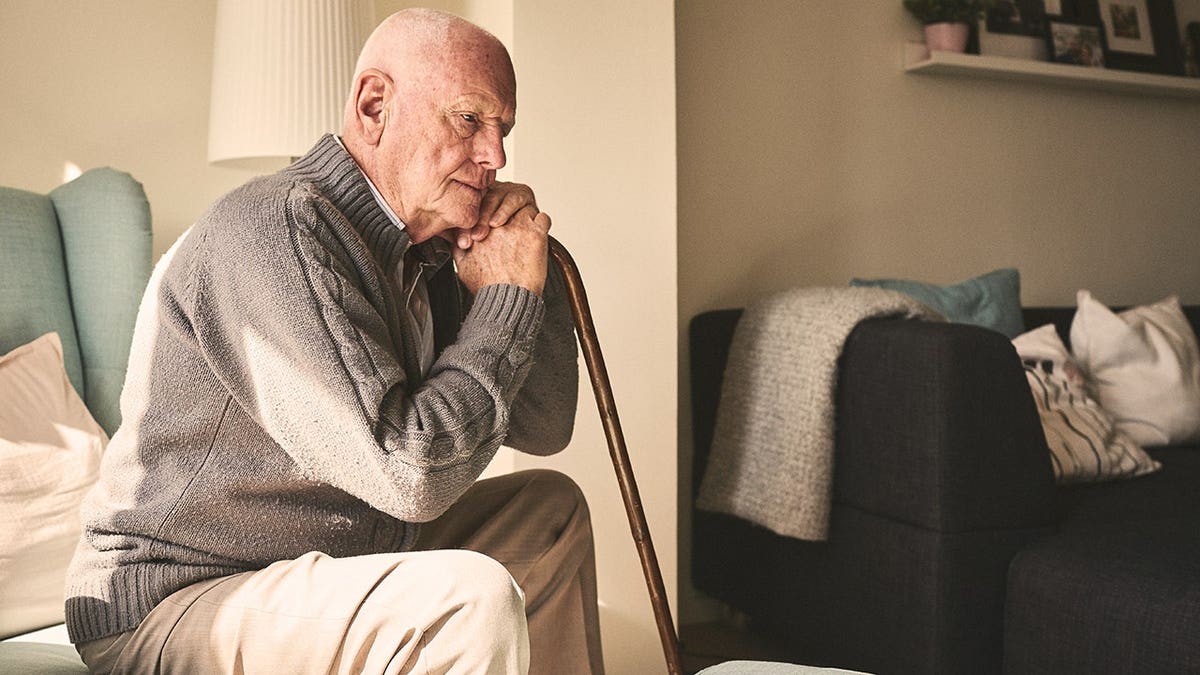
Según sugiere un nuevo estudio, la soledad podría estar relacionada con el rendimiento de la memoria en las personas mayores. (iStock)
«Esto sugiere que la soledad puede tener un papel más destacado en el estado inicial de la memoria que en su deterioro progresivo», dijo Venegas-Sanabria, y añadió que los resultados ponen de relieve la importancia de abordar la soledad como un factor que influye en el rendimiento cognitivo.
Estos hallazgos se suman al debate sobre si la soledad contribuye al riesgo de demencia. Aunque la soledad y el aislamiento social suelen considerarse factores de riesgo para el deterioro cognitivo, los resultados de las investigaciones han sido contradictorios.
El estudio analizó los datos de la Encuesta sobre Salud, Envejecimiento y Jubilación en Europa (SHARE), una investigación a largo plazo que hizo un seguimiento de 10 217 personas mayores entre 2012 y 2019. A los participantes se les pidió que recordaran unas palabras de forma inmediata y tras un intervalo de tiempo para medir su rendimiento memorístico.

El aislamiento social y la soledad podrían tener un papel sorprendente en la salud cognitiva de las personas mayores. (iStock)
La soledad se evaluó mediante tres preguntas sobre la frecuencia con la que los participantes se sentían aislados, excluidos o con falta de compañía.
Alrededor del 8 % de los participantes declararon sentir altos niveles de soledad al principio. Ese grupo solía ser de mayor edad, en su mayoría mujeres y con mayor probabilidad de padecer trastornos como la depresión.
Los investigadores descubrieron que las personas con mayor nivel de soledad obtuvieron puntuaciones más bajas en las pruebas de memoria inmediata y diferida al inicio del estudio. Aun así, todos los grupos —independientemente de su nivel de soledad— experimentaron un deterioro similar de la memoria con el paso del tiempo.
Los resultados sugieren que la soledad quizá no acelere directamente la progresión de la pérdida de memoria, aunque sigue estando relacionada con un peor rendimiento cognitivo en general.

Unos investigadores examinan una imagen cerebral en los Institutos Nacionales de Salud, en Bethesda, Maryland. (SaulGetty Images)
Los expertos advierten, sin embargo, que estos resultados no deben interpretarse como que la soledad sea inofensiva.
HACÉ CLIC AQUÍ PARA SUSCRIBIRTE A NUESTRO BOLETÍN DE ESTILO DE VIDA
«El hallazgo de que las personas mayores que se sienten solas parten de una memoria peor, pero no pierden capacidad a un ritmo más rápido, es en realidad lo más interesante del artículo, y creo que es fácil malinterpretarlo», dijo Jordan , doctor, asesor científico y experto en envejecimiento de la revista Assisted Living Magazine y profesor de la Facultad de Medicina Grossman de la Universidad de Nueva York (NYU).
«Probablemente significa que la soledad causa daño en una etapa más temprana de la vida, mucho antes de que la gente participe en un estudio como este a partir de los 65 años», explicó Weiss a Fox News .

Según un experto en envejecimiento, al llegar a una edad avanzada, es posible que ya se hayan consolidado ciertos patrones sociales a largo plazo, lo que hace más difícil detectar cuándo empezaron a notarse los efectos de la soledad. (iStock)
Sugirió que, al llegar a una edad más avanzada, es posible que los patrones sociales a largo plazo ya estén consolidados, lo que hace más difícil detectar cuándo empezaron a notarse los efectos de la soledad.
HAGA CLIC AQUÍ PARA VER MÁS ARTÍCULOS SOBRE SALUD
«Para cuando evalúas a alguien que ronda los 60 y tantos, ya lleva décadas de patrones de relación social muy arraigados», dijo.
Weiss, que no participó en la investigación, añadió que la soledad puede ir de la mano de otros problemas de salud, y señaló que los participantes que se sentían más aislados también presentaban mayores índices de depresión, hipertensión y diabetes. Según él, esta relación podría reflejar un conjunto de riesgos para la salud más que una causa directa.

«Aunque pueden ir de la mano, no está claro que la soledad contribuya a la demencia», dice un psicoterapeuta. (iStock)
Amy Morin, psicoterapeuta y escritora Florida, dijo que los resultados reflejan una tendencia más general en la investigación sobre la soledad y la salud cerebral, y que la relación podría ser más compleja de lo que parece.
HAZ CLIC AQUÍ PARA DESCARGAR LA APP DE FOX NEWS
«Las pruebas indican que hay una relación entre la soledad y el deterioro cognitivo, pero no hay pruebas directas de que exista una relación de causa y efecto», dijo. «Así que, aunque puedan ir de la mano, no está claro que la soledad contribuya a la demencia».
Morin añadió que la soledad, que puede variar, quizá no sea la raíz del problema, sino más bien un síntoma de otros problemas de salud mental o física subyacentes .
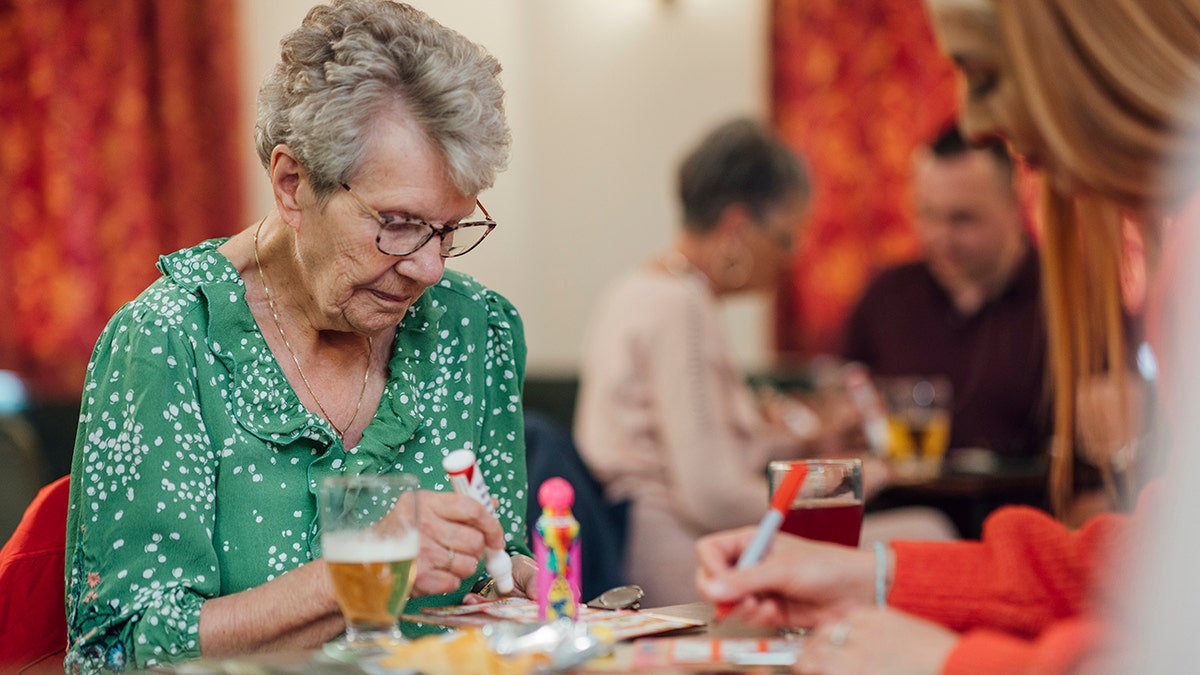
Los investigadores sugirieron que se incorporara la detección de la soledad en las evaluaciones cognitivas rutinarias como una forma de favorecer un envejecimiento saludable. (iStock)
Dijo que mantenerse activo social y mentalmente es fundamental para la salud general del cerebro.
PONTE A PRUEBA CON NUESTRO ÚLTIMO CUESTIONARIO SOBRE ESTILO DE VIDA
«Es importante ser proactivo en lo que respecta a las actividades sociales», dijo Morin. «Apuntarse a un club de lectura, tomar un café con un amigo o asistir a servicios religiosos puede ser una forma muy eficaz de mantener las relaciones en la tercera edad».
Los investigadores también sugirieron que se incorporara la detección de la soledad en las evaluaciones cognitivas rutinarias como una forma de favorecer un envejecimiento saludable.
Fox News se puso en contacto con los investigadores para recabar sus comentarios.
