





















Los asistentes a la feria de West Virginia señalan el tema que trasciende las divisiones políticas: «Demasiado crecimiento»
Los asistentes a la feria de West Virginia expresan su preocupación por los centros de datos, el rápido crecimiento, el consumo de agua y el control local a medida que avanza el desarrollo urbanístico en el condado de Jefferson.
Desde los años 50, la Feria del Condado de Jefferson, en West Virginia , lleva ofreciendo cerdos premiados, novillas bien cebadas y todo tipo de fritos a una gente que sigue adorándola.
Como los políticos saben desde hace tiempo, es uno de los mejores sitios del mundo para tomarle el pulso al votante estadounidense.
Durante esos dos días, mientras le atiborraba al viejo Marcus de perritos calientes rebozados y bocadillos de pepperoni, esperaba que la charla política girara en torno a los precios o a la «asequibilidad», como lo llaman los socialistas demócratas y los medios de comunicación convencionales. Pero de lo que la mayoría de la gente quería hablar era de los centros de datos.
«Soy ganadero», me dijo Roy, que cría ganado por aquí cerca. «Los centros de datos, las líneas eléctricas y todo eso suponen una amenaza para nosotros. Lo único que tenemos es la tierra».
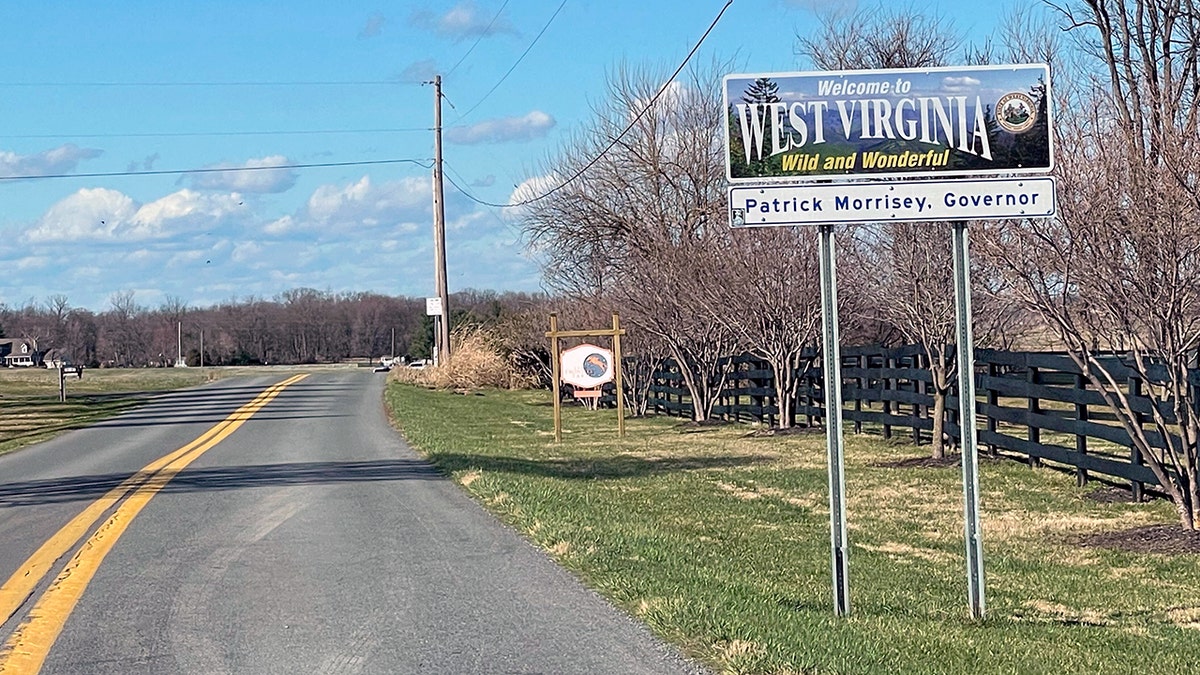
Las carreteras rurales llevan a los habitantes de Virginia Occidental a casa cruzando la frontera Virginia , cerca de Charles . (CharlieFox News)
ENCUESTA DE FOX NEWS: ¡REFRESCA TUS SERVIDORES! LOS VOTANTES RECHAZAN LOS CENTROS DE DATOS
Es algo que he oído decir, no solo a la gente de a pie del condado de Jefferson, sino también a quienes se dedican a atender sus necesidades.
Jenny Thacker y Marta Beck son dos demócratas que se presentan a las elecciones a la Cámara de Delegados. Aunque no se oponen del todo a los centros de datos en el condado, a las dos les preocupa cómo se están llevando a cabo estos proyectos.
«No podemos permitirnos que se extraiga agua de nuestro sistema. Así que, si podemos aprobar una ley que diga: “Sí, puedes usar agua superficial, pero no agua de pozo”, eso contribuirá en gran medida a proteger nuestras aguas subterráneas», dijo Thacker.
Por su parte, a Beck le preocupaba que «ellos [el Estado] hayan quitado el control local a los ayuntamientos». Esa palabra, «control», es realmente el núcleo de este debate, no solo en West Virginia, sino en todos los sitios a los que viajo por el país.
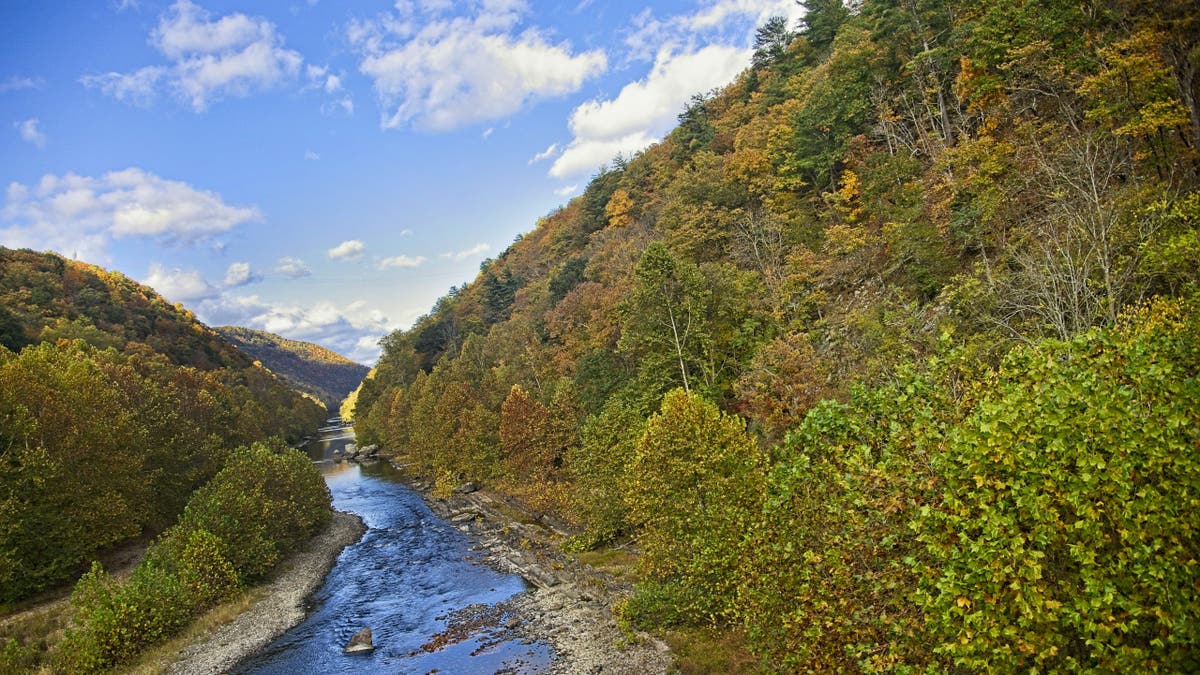
El río Potomac en el oeste de Virginia. (Robert Knopes/UCG/Universal Images Group)
En la feria también estaba Tamara Thompson, vicepresidenta de «We The People» del condado de Jefferson, uno de los grupos originales del Tea Party que aún tiene influencia en el «Mountaineer State». Dijo que no ha parado de oír quejas sobre los centros de datos.
«He oído que mucha gente está en contra de eso [los centros de datos]», dijo Thompson, señalando que muchos se quejan de la contaminación acústica. «Me gusta ir sobre el terreno, así que ir allí y comprobar si realmente había o no ruidos extremos fue algo que me tomé como algo personal, y no lo noté».
Sarah, una visitante de la feria y profesora jubilada, lo expresó de forma bastante concisa.
«Supongo que los necesitamos», bromeó mientras levantaba el móvil, «pero nadie los quiere».
Lo que quedó claro, tras la carrera de demolición del martes y la competición de tractores antiguos del miércoles, es que los centros de datos son un problema real, pero también la forma platónica de un problema del primer mundo.

No lo digo para menospreciar a nadie. A veces, los problemas del primer mundo son más difíciles de resolver que los del tercer mundo. Pero esto es una crisis de oportunidades, no de falta de ellas.
Mickey Reagan se presenta como candidata a comisionada del condado de Jefferson. Charlé con unos cuantos voluntarios en su puesto de campaña y, cuando les pregunté cuál era el tema principal del que les hablaban los votantes, la respuesta fue una sola palabra muy reveladora: crecimiento.
Con las cejas ligeramente fruncidas, dije: «Espera, ¿te refieres a que no hay suficiente crecimiento o, más bien, a que hay demasiado y el condado no puede con ello?»
Sin pensárselo dos veces, dijeron: «Demasiado crecimiento».
No es tan descabellado como pueda parecer. En el Panhandle Oriental de Virginia Occidental, parece que cada día se construyen cien casas nuevas, pero no cien carreteras nuevas, ni pozos, ni colegios. Los centros de datos, en cambio, pueden surgir como la mala hierba.
Lo que más me llamó la atención al ver tanto a los demócratas como a los republicanos disfrutando de sus buñuelos fue que quieren control local y que no confían en las grandes tecnológicas ni lo más mínimo. ¿Cómo podemos culparlos?
En el sector tecnológico, que avanza a la velocidad del rayo, cuando la regulación va por detrás de la innovación, acabamos teniendo a niños de 12 años viendo pornografía dura en sus móviles, no porque lo hayamos elegido, sino porque hemos dejado que pase.
Para los republicanos a nivel nacional, llegan buenas noticias desde la feria. Hace dos años, antes del regreso de Trump, de lo único que se hablaba en este tipo de eventos era de lo caro que estaba todo. Apenas quedaba tiempo para debatir sobre el valor relativo de los centros de datos.
HAZ CLIC AQUÍ PARA DESCARGAR LA APP DE FOX NEWS
Hoy en día, para los estadounidenses de West Virginia y de todo el país, no estamos en una crisis económica. Nos va bien. La cuestión no es mantenernos a flote, sino cómo aprovechar de forma responsable la marea creciente.
